



The Framework for Location Planning
Modern data centre site selection is a multidisciplinary process integrating energy, connectivity, regulation, and long term risk management. The strategic framework includes three analytical levels:
- Macro analysis screens countries for stability, energy market maturity, and policy readiness.
- Meso analysis identifies suitable metropolitan or industrial zones with compatible infrastructure and zoning.
- Micro analysis validates specific sites for engineering viability, risk resilience, and lifecycle performance.
Together, these levels form a structured approach that ensures each decision is technically defensible and economically sustainable.
Balancing Risk, Cost, and Sustainability
Data centre location strategies distinguish between mandatory requirements such as power security and regulatory compliance, and conditional factors such as cost and construction logistics. This ensures operational reliability is never compromised.
Lifecycle economic analysis now incorporates carbon exposure and green energy access, reflecting investor expectations and ESG driven risk management.
In mature markets like Singapore, intangible factors such as governance quality, network integration, and sustainability credentials often outweigh raw cost advantages, reinforcing its role as a premium hub.
The Energy Imperative
Energy availability and carbon intensity have become decisive factors in data centre strategy. Reliable access to renewable power, enabled by regional interconnections and corporate power purchase agreements, defines long term competitiveness.
Emerging technologies such as hydrogen systems, solid oxide fuel cells, and small modular reactors are influencing how future ready data centres will balance performance with sustainability.
The Human and Economic Dimension
Beyond infrastructure, successful data centre planning must account for local community impacts, workforce development, and socioeconomic benefits. Engagement with authorities and stakeholders reduces permitting risk and strengthens project acceptance. Sustainable data centres contribute to national economic transformation through innovation, skills enhancement, and low-carbon growth.
Strategic Integration for Next-Generation Data Centres
Strategic data centre planning requires collaboration across energy systems, regulation, engineering, and environmental disciplines. Independent, integrated consultants play a key role in advising investors and operators on viable regional locations and resilient cross-border solutions.
In Southeast Asia, Singapore, Johor, and Batam collectively exemplify a connected, power-centric ecosystem that will shape how the region delivers digital infrastructure at scale.
Get the full paper to understand how energy, policy, and sustainability are redefining data centre investment decisions in Southeast Asia.
Download the paper
 Beyond Borders: Subsea Power Cables Unlocking Energy Potential
As the world accelerates towards net zero, subsea power cables are becoming vital links that connect offshore renewable energy to mainland grids across borders.
 Case study: Malaysia’s sustainable energy future
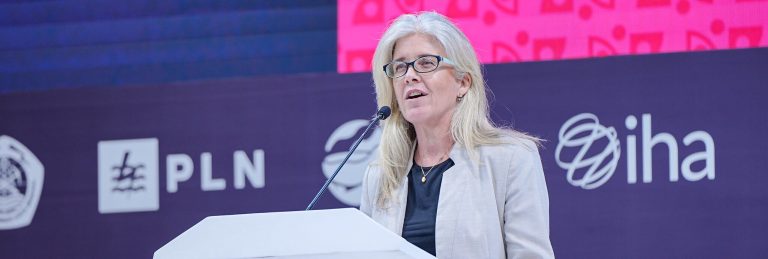
Karen Atkinson, COO ASEAN & Pacific, headed the SMEC delegation at the recent World Hydropower Congress in Bali, Indonesia, where she also led a panel discussion on “Powering the Clean Energy Transition in East Asia and the Pacific”.
 Beyond Borders: Subsea power cable planning – a framework
Submarine cables are critical infrastructure for global connectivity and renewable energy transmission. However, installing these systems involves overcoming diverse challenges, ranging from shallow water constraints to deep-sea rocky terrains.
 Unlocking the Biomethane Market Opportunity: Powering the Future of Sustainable Energy in SEA
The market for methane generation from sustainable sources is mature, yet the biomethane sector remains in a formative stage that presents both significant challenges and transformative opportunities, especially for pioneering players willing to lead infrastructure development and market creation.
Ready
to
connect?
Talk to one of our global specialists about our Energy & Renewables solutions.