
Expertise


From the early pioneers on the Snowy Mountains Hydroelectric Scheme, to our leaders and innovators of today, our people make us who we are.
Through our network of global specialists and by collaborating with local partners, we connect you with the best teams and capabilities to deliver highly innovative and sustainable solutions.
As an organisation we are continually evaluating ways we can better provide a safe, flexible, inclusive and respectful workplace for our people and clients.
People are at the heart of our organisation, we strive to create a flexible, diverse and inclusive environment that enables our people to thrive to their fullest potential.
Explore career opportunities
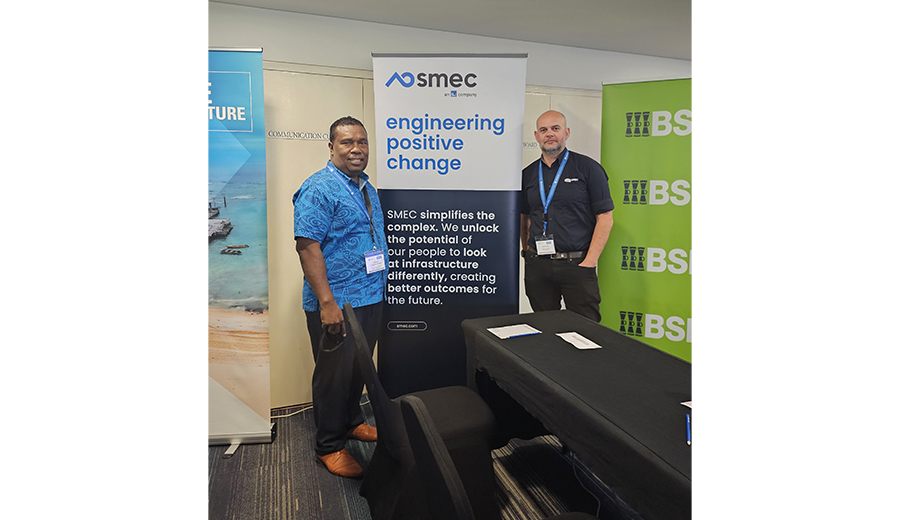
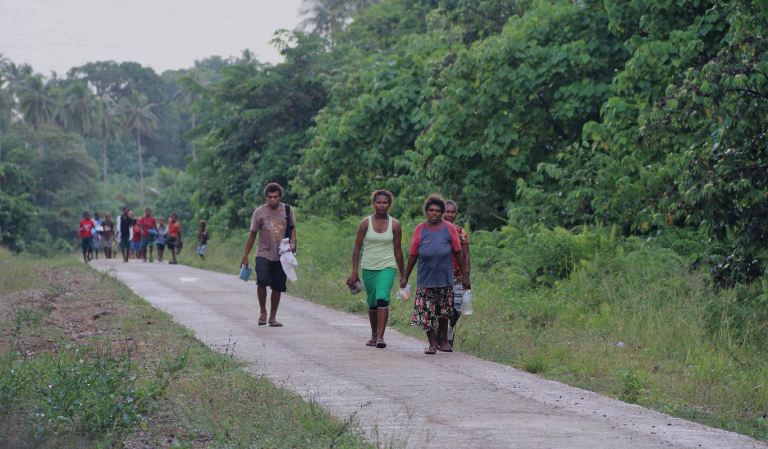
SMEC has consulted on key infrastructure projects funded by the ADB and the World Bank, contributing to transport, maritime, and water sectors across the Solomon Islands. These initiatives include the Sustainable Transport Improvement Infrastructure Project (STIIP), the Transport Sector Flood Recovery Project (TSFRP), and the Solomon Islands Road & Aviation Project (SIRAP 1).
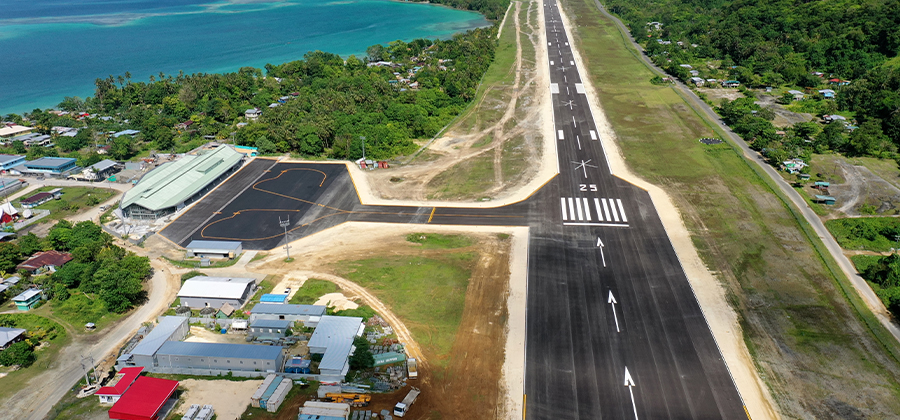 Solomon Islands Road & Aviation Project (SIRAP 1)
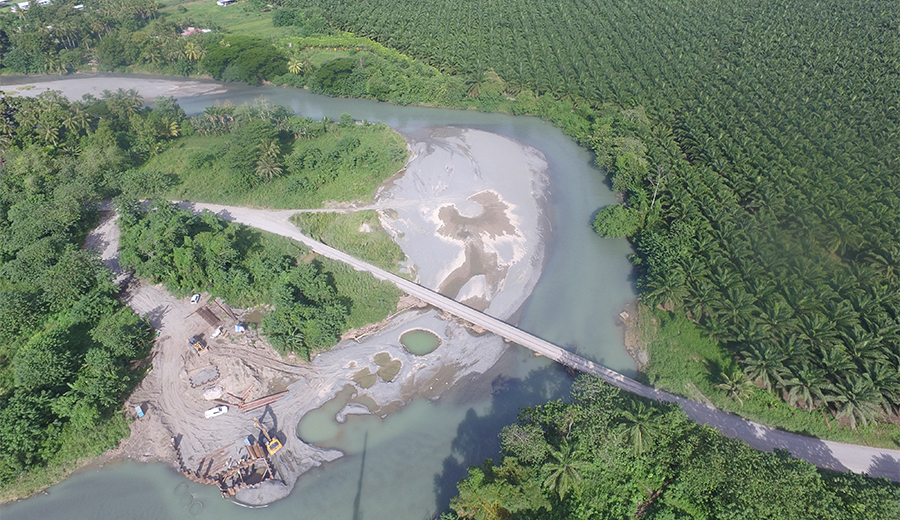 Transport Sector Flood Recovery Project (TSFRP)
SMEC has also contributed to water supply, sanitation, and local employment initiatives through projects such as the Urban Water Supply and Sanitation Sector and the Bina Harbour Tuna Processing Plant.
Strengthening Local Engagement and Workforce Capacity
SMEC is exploring membership with the Solomon Islands Chamber of Commerce and Industry (SICCI) to strengthen partnerships and align its services to local needs. This membership would help connect with local businesses and investment opportunities, paving the way for project development in key national sectors.
International funding and technical expertise from firms like SMEC are essential in supporting local infrastructure development. SMEC’s involvement in the forum underscores its commitment to delivering impactful projects and contributing to the development of the Solomon Islands through capacity-building initiatives that directly benefit the local population.
The forum revealed opportunities for SMEC to diversify its portfolio and engage in small and medium-scale design and construction supervision, positioning the company as a trusted partner for local businesses and international donors.
Driving Sustainability and Long-Term Growth
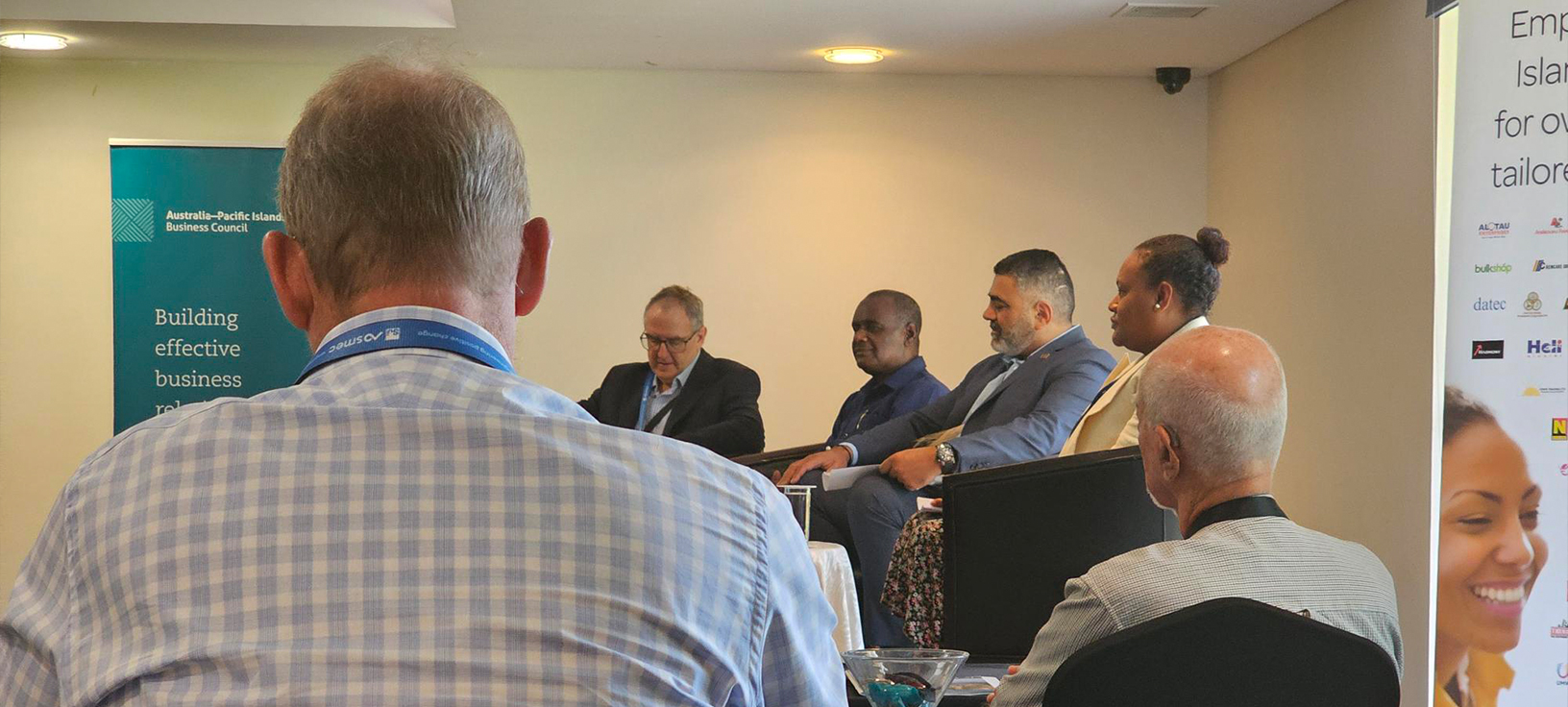
The forum highlighted the need for skilled labor in the Solomon Islands, as many local workers hired by civil contractors require training to meet the demands of modern infrastructure projects. SMEC is ideally positioned to collaborate with local government ministries and businesses to offer short training programs providing workers with the technical expertise needed for projects like road construction and renewable energy installations.
Sustainability was a central focus of the forum, with discussions emphasising how businesses and stakeholders can foster long-term growth that benefits both the environment and the community. SMEC is uniquely positioned to support these goals through its expertise in renewable energy and sustainable infrastructure development, helping to drive lasting, positive impacts.
Partnerships between local businesses, international companies, and donors are crucial for sustainable development and engineering positive change. SMEC aims to engage in projects that prioritise sustainability, offering innovative, eco-friendly infrastructure designs, and supporting local initiatives that protect the environment while enhancing community well-being.
With a practical vision for a sustainable future, SMEC challenges boundaries to deliver solutions that help connect, move, and power people and communities. SMEC is well-positioned to lead in the Solomon Islands’ development through capacity building, and sustainability while continuing to seek partnership and innovation for the long-term prosperity of the Solomon Islands and the broader Pacific region.
As Australia’s most flood-prone state, SMEC’s experience in Queensland has shown how decisions made across the infrastructure lifecycle can shape long-term resilience.
Intermodal transport is increasingly recognised not as a logistics concept, but as a defining framework for modern transport infrastructure planning and supply chains.
Infrastructure projects are often measured by what they build: kilometres of roads, megawatts of power generated or assets delivered.
Uncertainty has become a defining feature of the environment in which infrastructure is planned, financed and delivered. Geopolitical tensions, economic volatility, climate risk, changing investment priorities and rapid advances in technology are reshaping the assumptions on which long-term infrastructure decisions have traditionally been made.