
Expertise


From the early pioneers on the Snowy Mountains Hydroelectric Scheme, to our leaders and innovators of today, our people make us who we are.
Through our network of global specialists and by collaborating with local partners, we connect you with the best teams and capabilities to deliver highly innovative and sustainable solutions.
As an organisation we are continually evaluating ways we can better provide a safe, flexible, inclusive and respectful workplace for our people and clients.
People are at the heart of our organisation, we strive to create a flexible, diverse and inclusive environment that enables our people to thrive to their fullest potential.
Explore career opportunities
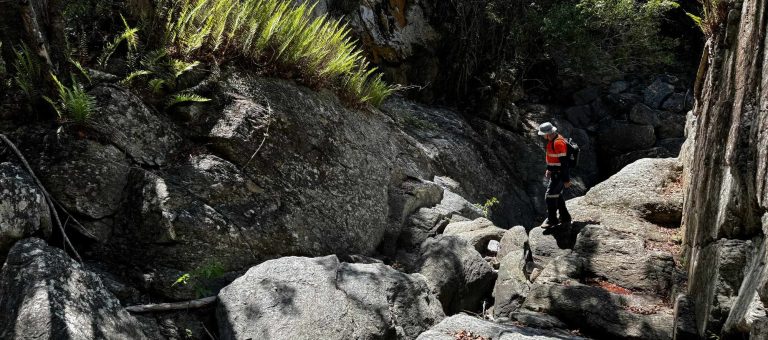
In Australia’s state of Queensland, surveys on potential development sites have revealed previously undocumented populations of greater gliders species with highly specific habitat needs such as old, hollow-bearing trees. These discoveries reinforce the importance of careful ecological assessments in site planning and highlight the responsibility renewable energy developers have to lead in setting new standards for environmental stewardship.
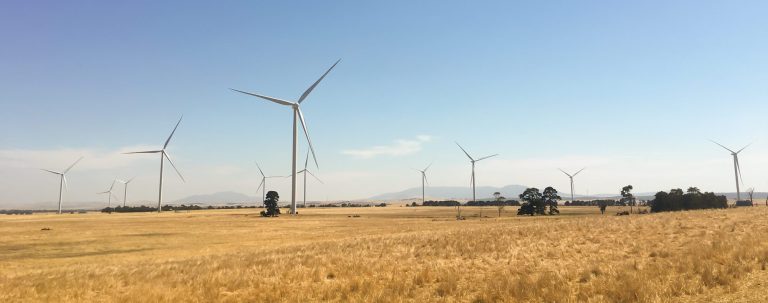
While we think about renewable energy as a clean option in terms of emissions, it’s still vitally important to consider the ecological impacts associated with developing renewable energy infrastructure. In Australia for example, projects such as wind and solar farms are assessed under frameworks like the Environment Protection and Biodiversity Conservation Act 1999 (EPBC Act) and relevant state-based environmental legislation, which impose stringent requirements for biodiversity assessment, impact mitigation, and ongoing monitoring. This includes recent changes to the Planning Regulation in Queensland for example, to make all development applications for wind farms subject to impact assessment. Renewable energy developers must meet high standards of environmental regulation and transparency and it is our role to support the integration of sustainability principles at every stage of project design, planning, and delivery.
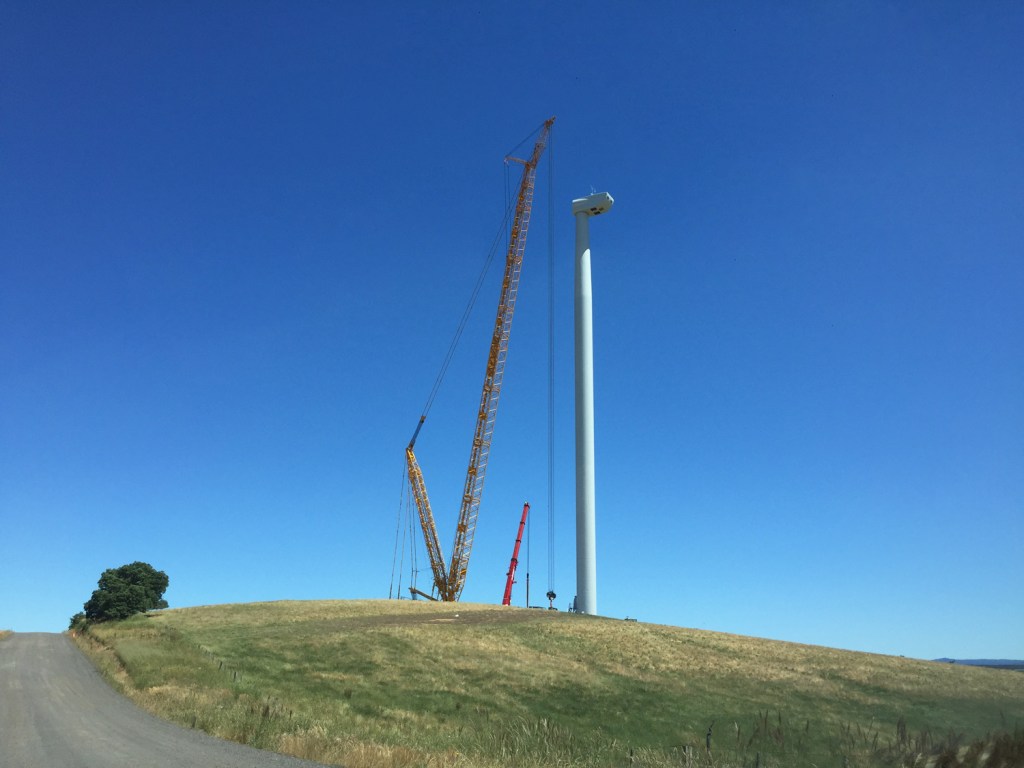
Achieving truly sustainable outcomes in renewable energy development requires careful planning starting at the feasibility stage. We apply an ‘avoidance first’ principle, prioritising the protection of biodiversity by steering developments away from sensitive areas wherever possible. Where impacts cannot be entirely avoided, we focus on minimisation and mitigation strategies to reduce environmental harm.
A staged approach to environmental management includes the following key steps:
In Southeast Asia, we are applying advanced techniques to better understand aquatic ecosystems in complex hydropower environments. Under the guidance of Dr Philip Rogers, the team introduced environmental DNA (eDNA) metabarcoding to assess aquatic biodiversity in large river systems. This method was first applied on the Tri An Hydropower Project in Vietnam, and later expanded to major studies in the Purari River in Papua New Guinea and the Mentarang River in North Kalimantan, Indonesia.
By collecting eDNA samples across entire downstream catchments, we can understand how hydropower operations might alter aquatic communities, including fish migration patterns. For Tri An, eDNA data was integrated with hydrological modelling to create an eco-hydraulic model. This model helped predict how changes in water velocity, depth, temperature and oxygen levels from hydropeaking operations could affect the behaviour of key fish species. These insights are informing more ecologically sensitive project designs and operational strategies.
When impacts cannot be fully avoided or mitigated, offsetting becomes a necessary tool. As part of the Australian Government’s reforms to the environmental offset framework, there is the expectation that offset delivery will become more sophisticated and ‘nature positive’. This includes a shift toward a model that focuses on proactive restoration efforts to achieve measurable environmental gains, rather than simply compensating for losses. To support this transition, it is anticipated that all levels of government will soon demand more scientifically robust, long-term programs that demonstrate real conservation gains.
While biodiversity offsets remain a complex and evolving field, renewable energy projects have an opportunity to lead by example backed by strong data, continuous monitoring, and a preference for localised, strategic conservation actions that deliver genuine ecological benefits. These require demonstrable ecological equivalence, often tied to specific species habitat features like nesting hollows or foraging grounds. A shift is underway, demanding higher-quality data, long-term monitoring, and a preference for localised, strategic conservation.
Successful environmental outcomes in renewable energy projects depend not just on strong science, but on seamless collaboration between engineering and ecology from day one. This requires the entire project team, including contractors, designers, engineers, ecologists and planners, to work together from the outset to carefully consider site sensitivity, project footprint and even project shape to minimise or avoid impacts.
This close collaboration between environmental specialists and engineers is central to our integrated approach. From designing access roads that avoid glider habitat or movement corridors to timing dam dewatering around turtle breeding seasons, integrated teams are delivering renewable infrastructure that balances performance with biodiversity protection.
The shift to renewable energy is an essential aspect of addressing climate change, but achieving a truly sustainable energy future means ensuring projects limit biodiversity impacts associated with their development. By embracing smarter design, better ecological data, and deeper cross-disciplinary collaboration, the renewable energy sector can help to secure our energy future whilst protecting biodiversity.
As regulatory frameworks evolve and community expectations rise, engineering and environmental professionals have a unique opportunity and responsibility to lead in delivering projects that demonstrate sustainability in its fullest sense.
We’re proud to be part of this future: helping renewable energy projects succeed not just as sources of clean energy, but as models of how development and nature can work together.

David Wassman
Principal & Team Lead – Ecology
David is a Certified Environmental Practitioner with over 19 years’ experience leading environmental and ecological assessments across Australia and the South Pacific. His expertise spans renewable energy, infrastructure, and development projects, with specialist skills in aquatic ecology, fauna passage design, and ecological risk mitigation.
¹ Clean Energy Council, Clean Energy Australia Report 2024
In this series, we share how our team is unlocking a smoother pathway for approvals, community engagement and environmental planning for many of our renewable energy clients around the world.
A project's ability to gain community support can determine whether it moves forward smoothly or faces delays and resistance. Meaningful community consultation is not only best practice, but also essential to balancing project success with local interests, ensuring that progress and preservation go hand in hand.
Australia’s shift to renewable energy is accelerating, driven by strong policy settings, rapid advances in technology, and increasing investment. While large-scale projects are progressing nationwide, moving from concept to construction remains a complex journey.