


Expertise


From the early pioneers on the Snowy Mountains Hydroelectric Scheme, to our leaders and innovators of today, our people make us who we are.
Through our network of global specialists and by collaborating with local partners, we connect you with the best teams and capabilities to deliver highly innovative and sustainable solutions.
As an organisation we are continually evaluating ways we can better provide a safe, flexible, inclusive and respectful workplace for our people and clients.
People are at the heart of our organisation, we strive to create a flexible, diverse and inclusive environment that enables our people to thrive to their fullest potential.
Explore career opportunities
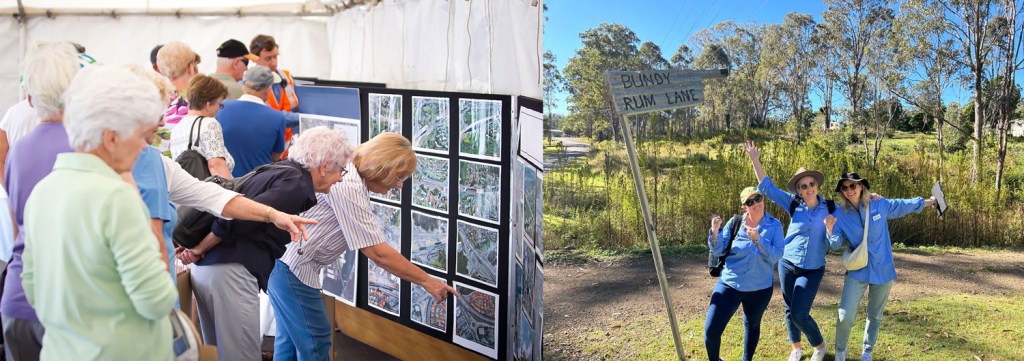
Community engagement has evolved in recent years, moving from a “value add” to a more meaningful vehicle for dialogue between developers and communities. This shift is particularly evident in the renewable energy sector, where early engagement has become a critical factor for project success.
For a project to progress successfully, navigating community concerns and expectations such as environmental, social, land use and acquisitions or even economic aspects need to be navigated meaningfully and transparently. So, what does it take to engage a community for shared success?
In the past, community engagement was often limited to informing the public about a project after key decisions had been made. Today, engagement is a two-way process, where communities are actively involved from the outset. Community input now helps shape project design and implementation.
Renewable energy projects can act as catalysts for economic development by generating jobs, supporting local businesses, and funding community initiatives. Meaningful engagement helps ensure that these economic benefits align with community needs. On a major pumped hydro project in Australia, SMEC’s Community Engagement team has played an integral role in engaging with communities to align and support meaningful initiatives that will provide a positive and enduring legacy. Early and consistent engagement has helped build trust, improve transparency, and ensure that community feedback is acknowledged and acted upon, which are key factors in maintaining social licence and project momentum.
Trust is critical in securing a social license to operate. To gain the trust of Traditional Owners, the community and key project stakeholders, requires genuine engagement that is early and inclusive to demonstrate that developers are committed to shared success. There is a strong movement for organisations to move beyond tokenistic consultation and build genuine, trust-based relationships with communities.
Transparent engagement at the right time is critical. One of the key principles of the IAP2 framework (developed by the International Association for Public Participation — the gold standard for stakeholder engagement) is differentiating between negotiables and non-negotiables. This involves setting clear expectations from the start, ensuring communities understand their scope of influence, aspects they may not be able to influence, and when and where their voice can have the greatest impact.
Authenticity also means meeting people where they are. Engaging a diverse audience requires a thoughtful mix of channels from digital platforms such as social media, virtual town halls, interactive project maps and online forums to more traditional approaches like letterbox drops, noticeboards and printed materials. Hosting in-person pop-up events, drop-in sessions, and other activities that are publicised early and across multiple channels allows for maximum participation. Local businesses also play a key role, not only as sources of valuable local knowledge but also as touchpoints for broader community consultation.
SMEC’s work on the 7A Windfarm Project in Phuoc Minh Commune Thuan Nam District in Vietnam reflects the importance of tailored engagement in practice. As part of a broader Environmental and Social Impact Assessment (ESIA), SMEC supported the development of stakeholder engagement plans to align with local needs. These plans were essential to building trust with local communities and ensuring culturally appropriate engagement and restoration pathways.
While social media has altered the landscape of community engagement and presents challenges particularly around misinformation, it’s also a powerful opportunity. By actively monitoring conversations and understanding local concerns, project teams can proactively address misconceptions, provide accurate information, and foster more informed and constructive dialogue.
A key driver of successful project delivery is the close alignment between community engagement teams and technical disciplines. When community engagement specialists are not working in isolation; they can collaborate closely with in-house environmental scientists, engineers, GIS experts, and other technical leads from roads to water and hydropower. This integrated approach from the outset benefits both sides. It means community engagement specialists are informed about project activities and timelines, they can anticipate potential impacts, and engage with the community earlier. Real-time knowledge sharing, improved access to schedules and a clear understanding of upcoming work all contribute to more effective and timely communication with the community.
This benefit goes both ways. By working as one cohesive unit, the community engagement team can work closely with engineers to broaden their knowledge around community sentiment about certain project aspects. When engineering teams are linked more closely to the community, they can incorporate this thinking into engineering design and develop solutions that lead to better outcomes not just for the project, but the wider community.
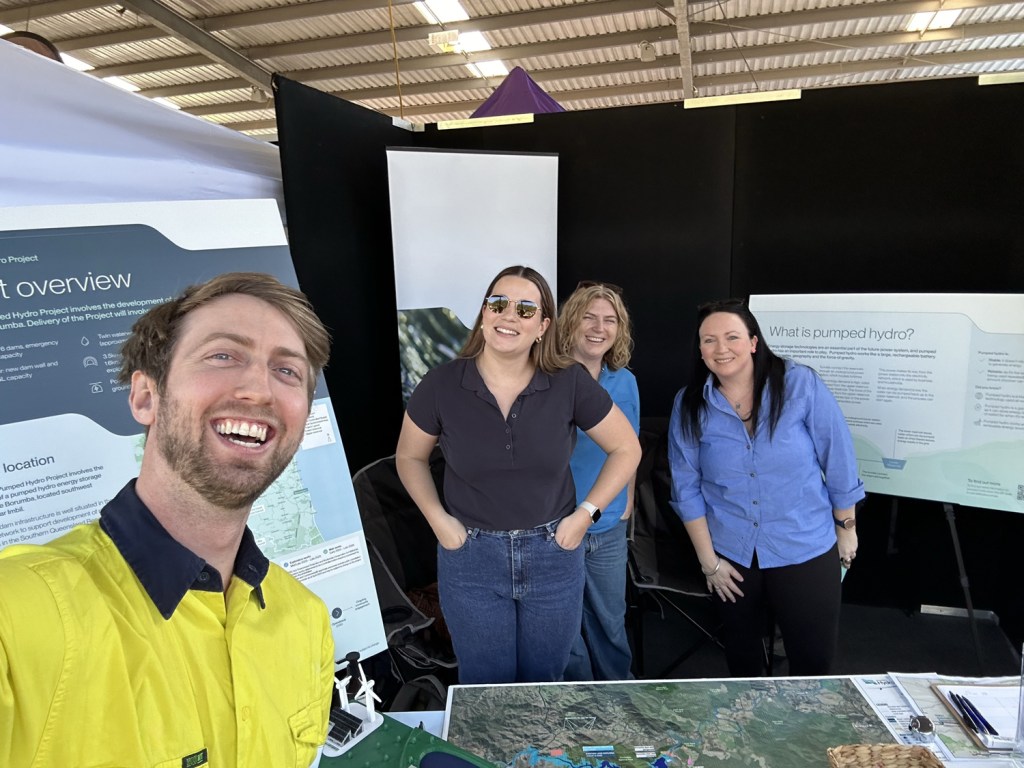
As the renewable energy sector accelerates, securing community support is no longer a peripheral task, it’s a core part of project success. When developers engage to build authentic relationships, they lay the foundation for projects that are not only viable but valued by the communities they operate in.
Four key principles emerge as critical to achieving this: a focus on co-creation, authentic engagement, tailored communications, and integrated project teams. Together, these create a collaborative environment where community voices are not only heard but reflected in the outcomes. This leads to designs that are more responsive, legacies that are more meaningful, and projects that are better equipped to stand the test of time.
Ultimately, the question is not whether we can balance progress and preservation, but how. The answer lies in engagement that is early, inclusive, and embedded at every stage of a project’s life. When we listen deeply and act with integrity, we unlock the potential for renewable energy to deliver not just clean power, but lasting social value.

Sarah Davies
Senior Associate & Team Leader – Social Value & Engagement
Sarah is an experienced communications and engagement specialist with over 16 years’ experience designing effective engagement strategies for large-scale infrastructure projects like Powerlink, Queensland Hydro and the Department of Transport and Main Roads.

Skye Jamieson
Senior Advisor – Social Value & Engagement
Skye is a dedicated community and stakeholder engagement specialist. With SMEC she has designed and delivered communications and engagement strategies for clients such as Queensland Hydro, ARTC, Transgrid and Transport for NSW.