


Bangladesh Resilient Slum Community Project


From the early pioneers on the Snowy Mountains Hydroelectric Scheme, to our leaders and innovators of today, our people make us who we are.
Through our network of global specialists and by collaborating with local partners, we connect you with the best teams and capabilities to deliver highly innovative and sustainable solutions.
As an organisation we are continually evaluating ways we can better provide a safe, flexible, inclusive and respectful workplace for our people and clients.
People are at the heart of our organisation, we strive to create a flexible, diverse and inclusive environment that enables our people to thrive to their fullest potential.
Explore career opportunities
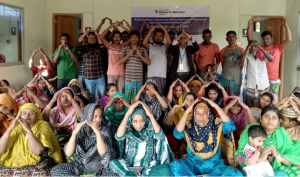
Beguntila, where approximately 2,500 residents live, faces ongoing challenges in accessing safe and clean Water, Sanitation and Hygiene (WASH) services. A recent needs assessment by HFHB revealed that while some infrastructure exists, many facilities are either no longer functional or effective due to insufficient maintenance. Inadequate drainage and solid waste management have led to clogged systems, increased flooding, and a rise in water-borne illnesses such as cholera, typhoid, and diarrheal diseases.
In response, SMEC Foundation implemented a three-part initiative. The first component supported the rehabilitation of two community WASH facilities, which formed part of a broader effort that restored a total of 11 WASH cubicles and 1 bathing facility. These upgrades were completed with active involvement from Community WASH Committees (CWCs), who also participated in hygiene training to ensure the long-term effectiveness and sustainability of the interventions.
The second component delivered 145 metres of renovated drainage walkways throughout Beguntila Slum. These elevated slabs were designed to reduce waterlogging and improve mobility, significantly enhancing the safety and functionality of the area.
The third component of the project included the renovation of 20 homes belonging to vulnerable families. SMEC Foundation directly supported 10 of these renovations, with a focus on women-headed households. The upgraded homes were designed to improve safety, privacy, and accessibility, contributing to better health outcomes and living conditions for residents.
This initiative builds on SMEC Foundation’s previous support in Bangladesh, including the construction of a community toilet and bathhouse in Kumitola Slum in 2019. These efforts reflect SMEC’s ongoing commitment to inclusive development and demonstrate the impact of collaborative partnerships in enhancing community wellbeing and changing lives for the better.