
Expertise


From the early pioneers on the Snowy Mountains Hydroelectric Scheme, to our leaders and innovators of today, our people make us who we are.
Through our network of global specialists and by collaborating with local partners, we connect you with the best teams and capabilities to deliver highly innovative and sustainable solutions.
As an organisation we are continually evaluating ways we can better provide a safe, flexible, inclusive and respectful workplace for our people and clients.
People are at the heart of our organisation, we strive to create a flexible, diverse and inclusive environment that enables our people to thrive to their fullest potential.
Explore career opportunities
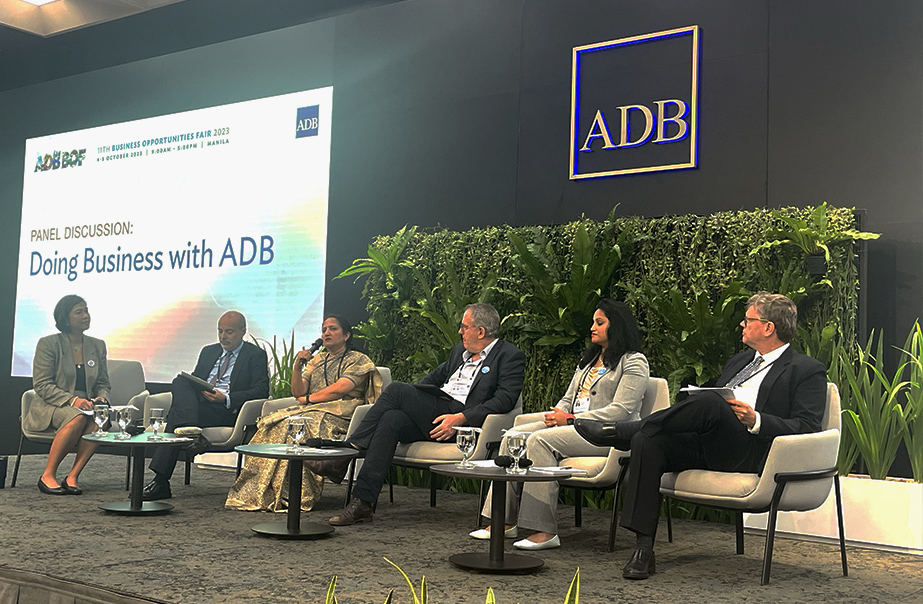 Panel discussion on « Doing Business with ADB »
The BOF provided a platform for consultants, contractors, manufacturers, suppliers, and civil society organisations interested in contributing to ADB projects. SMEC sent a distinguished team of representatives, including Corin Mitchell, Resham Dhakal, Norman Walker, Ataulgoni Asif, Mary Joy Trino, and Lara Luis.
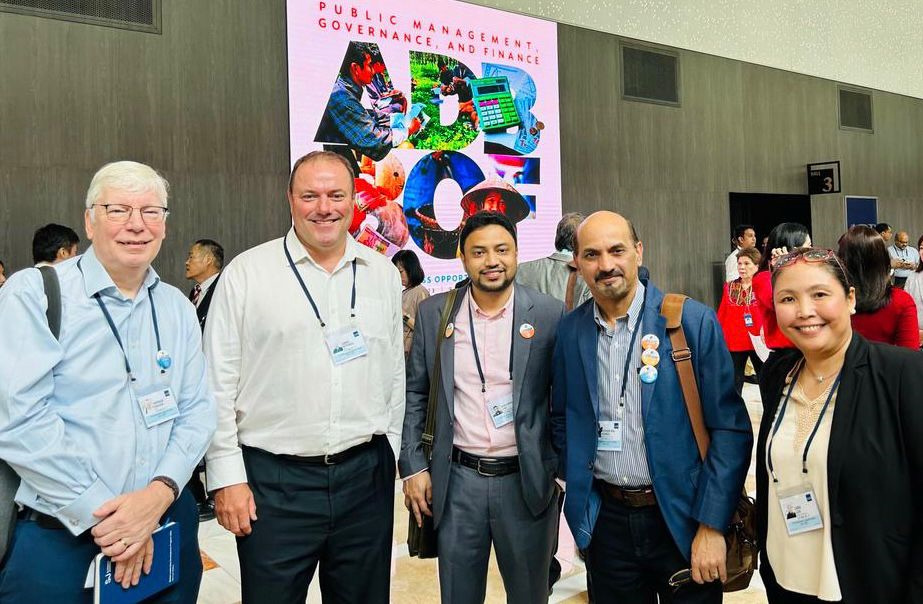 From left to right: Norman Walker, Corin Mitchell, Ataulgoni Asif, Resham Dhakal and Lara Luis
Corin Mitchell, ASEAN & Pacific IFI Business Development Director, emphasised the importance of SMEC’s commitment to sustainability and inclusivity, stating, “SMEC’s active engagement in sectors like climate change and sustainable development reflects a commitment to these principles.” Corin highlighted how their participation in the BOF aligns with SMEC’s dedication to addressing climate change and promoting inclusion.
Resham Dhakal, CEO India, echoed the sentiment, underscoring the value SMEC places on understanding specific requirements and contexts. Resham emphasised SMEC’s dedication to aligning with ADB’s transformation and more effective project approaches.
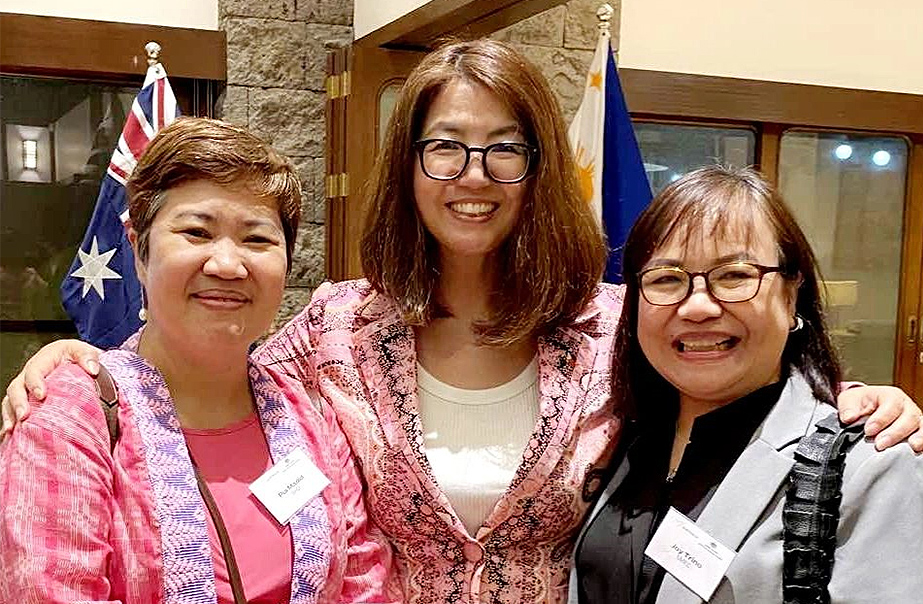 Mary Joy Trino (right) with the Hae Kyong Yu, Australia’s Ambassador to the Philippines (centre)
SMEC’s participation yielded several key insights and takeaways, aligning with the broader transformation happening at the ADB and the imperative of addressing climate change, justice in transition, gender equity, and inclusion:
The ADB BOF highlighted the paramount importance of climate change and just transition, emphasising the ‘leave no one behind’ mantra and gender equity. SMEC’s active engagement in sectors like climate change and sustainable development reflects a commitment to these principles.
ADB’s New Operating Model, emphasizes a Client-Centric Structure and a focus on capacity building. SMEC’s interactions with ADB staff involved in procurement, consulting, and project management enabled a better understanding ADB’s requirements which aligns with the strategic shift to respond more effectively to evolving geopolitical contexts.
The ADB investment strategy encompasses an expanding geographic footprint that extends from the Pacific region, through southeast Asia, south Asia, central Asia, and the Caucasus region. SMEC is active across all these sub-regions implementing a mix of infrastructure programs in Water, Transport, and International Development.
The value for money approach, highlighted as crucial for ADB projects, better represents the contexts and environments in which these investments and projects are delivered. SMEC’s strategic approach to project development, based on sector-specific insights gained at the BOF, aligns with this value-driven perspective.
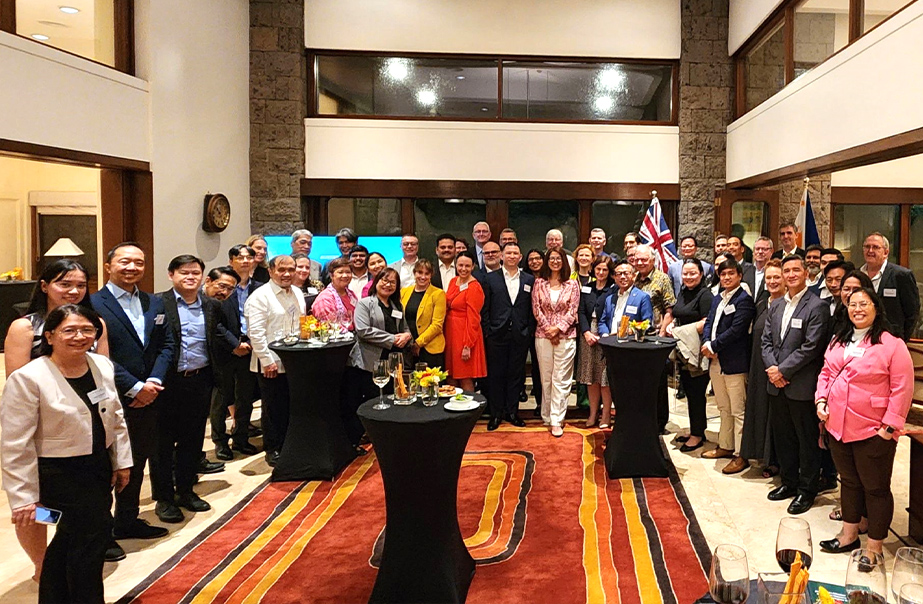 Cocktail reception for the delegates of the 2023 Australian Mission to the ADB BOF
SMEC’s participation in the ADB BOF not only reaffirmed its commitment to sustainable development across Asia and the Pacific but also served as a vehicle for deepening collaboration, gaining sector-specific insights, and fostering connections that resonate with ADB’s ongoing transformation and its broader goals, including addressing climate change and promoting inclusion.
SMEC’s long presence in Southeast Asia and the Pacific Region is wide-ranging, having been involved in the delivery of many infrastructure projects in the hydropower, energy, water and wastewater, road, rail, and port sectors. Across all sectors, the push for sustainability has become fundamental.
At SMEC we strive to ensure that every individual is given access to resources and support that sets them up for success. As we celebrate International Women’s Day 2023, we spoke to seven female leaders across our organisation and asked them to share their views of what #EmbraceEquity means to them.
Coastal cities are at risk from a combination of forces: erosion driven by large waves and rising sea levels, flooding exacerbated by extreme rainfall and storm surge, and land subsidence linked to climate change and human activity.