



Expertise


From the early pioneers on the Snowy Mountains Hydroelectric Scheme, to our leaders and innovators of today, our people make us who we are.
Through our network of global specialists and by collaborating with local partners, we connect you with the best teams and capabilities to deliver highly innovative and sustainable solutions.
As an organisation we are continually evaluating ways we can better provide a safe, flexible, inclusive and respectful workplace for our people and clients.
People are at the heart of our organisation, we strive to create a flexible, diverse and inclusive environment that enables our people to thrive to their fullest potential.
Explore career opportunities
Beyond technical and commercial hurdles, developers must also navigate one of the most critical and often underestimated phases of project delivery: securing planning and environmental approvals. Far from being a mere regulatory checkbox, the approvals process is a dynamic, multi-layered journey that can significantly influence a project’s scope, timeline and viability.
Renewable energy developments must meet a wide range of legislative and policy requirements across varying jurisdictions. Whilst also responding to diverse and often competing considerations including land use constraints, ecological and cultural values, infrastructure access, and community expectations. These complexities are further heightened by the need to align approvals with evolving project designs and feasibility studies, often under time and funding pressure.
Approvals are not just an administrative task. They are a critical phase in shaping a project’s success. A well planned and integrated approvals strategy informs the project footprint, staging, design options and stakeholder engagement from the outset. In Australia for example, the process is guided by legislation across three tiers of government. Typically, this includes:
Each level of assessment has differing requirements and expectations. A federal EPBC Act referral may focus on ecological impacts at a broad project scale, while a local development application may require detailed data on traffic movements, site access and construction activities. Aligning these requirements within a staged, integrated plan is essential to maintaining momentum and meeting project milestones.
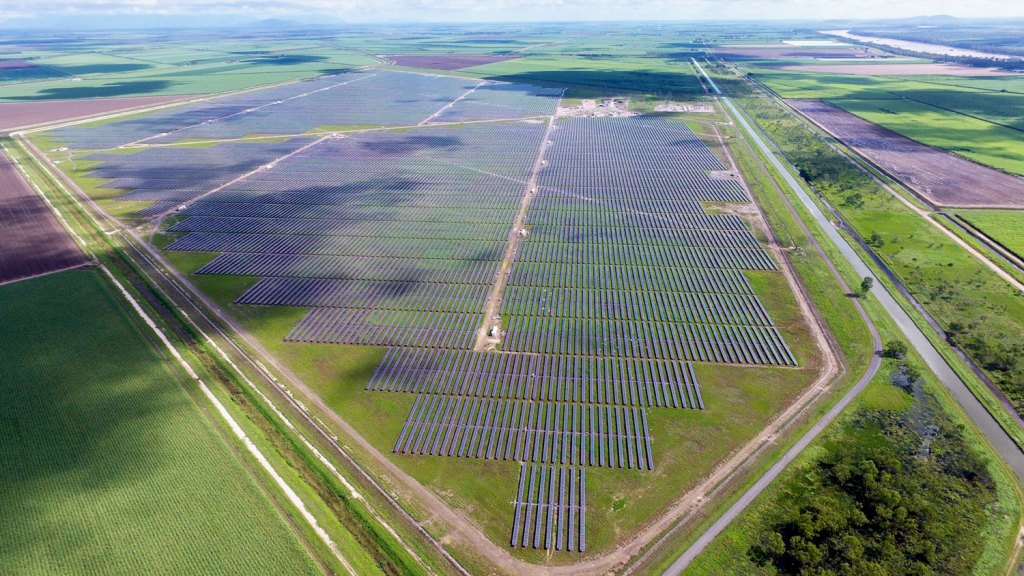
One of the most valuable steps in any approval process is developing a comprehensive understanding of the project site. This includes not only ecological and environmental attributes, but also:
Equally important is a clear understanding of the project itself. Many renewable energy proposals are developed at a conceptual level, where only high-level design information is available. This can limit the ability to define impacts and engage confidently with regulators. We support clients in identifying which parts of the project require greater definition, and where flexibility can be preserved without compromising approval certainty.
Further afield, SMEC conducted a Pre-Environmental and Social Impact Assessment (ESIA) Screening Study for the proposed 500 MW greenfield solar project in Dak Nong Province in Vietnam. The study helped the client identify early-stage constraints and risks across five communes. This included environmental sensitivities, data gaps, local legislative requirements and the presence of sensitive receptors. By addressing these factors early, the team provided critical input for project siting, feasibility analysis and future approvals strategy, with the intent to reduce the likelihood of potential delays.
The most successful projects are those where environmental, planning, engineering and stakeholder teams work together from the outset. Early integration enables:
Advocating for multidisciplinary workshops, early site investigations and shared digital tools that enable project teams to make informed, evidence-based decisions is critical. Tools like GIS support constraints mapping, habitat modelling, options analysis, and scenario testing to inform decisions such as staged development or split referral strategies.
This integrated approach was effective on a recent pumped hydro project in Australia, where early planning efforts using a Multi-Criteria Analysis focused on identifying locations for infrastructure such as camps, waste, and wastewater facilities. The team brought together planning, GIS, engineering, and stakeholder specialists to collaboratively assess options, avoid key environmental and cultural constraints, and align with project timelines. Early workshops and the use of spatial tools enabled data-driven decisions and helped establish a clear and efficient approvals pathway for future water take, wastewater management, and camp infrastructure.
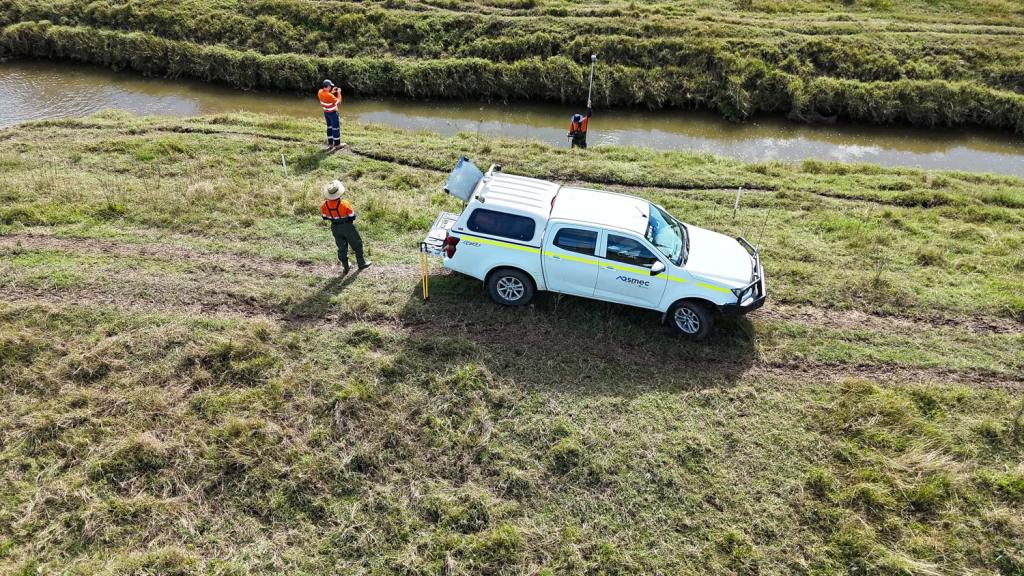
Approval timeframes for renewable projects can range from 18 months to several years, depending on scale, site complexity and the type of infrastructure involved. For example, where a site is more complex and poses environmental sensitivities, gaining approvals for exploratory works like geotechnical investigations or early access tracks may still require multiple referrals, technical studies and assessments.
By identifying long lead items such as seasonal ecological surveys, water quality, groundwater monitoring, traffic and flood assessments, or heritage approvals, teams can help developers stage assessments to reduce risk to overall project schedules. This includes understanding what information is needed at each phase and sequencing approval packages in line with design maturity and construction readiness.
We recognise the essential role that regulatory agencies play in safeguarding environmental, cultural and community values. Our approach is built on transparency, regular communication and strong working relationships with assessors and decision makers at all levels.
In our experience, the most successful outcomes are achieved when proponents:
As Australia accelerates its decarbonisation journey, infrastructure planning must evolve to keep pace. This means embedding environmental and planning teams as strategic partners, not just compliance checkpoints. Our teams are embedded in complex, multi-year developments and understand what it takes to support delivery from concept to construction. Our work with national and international hydropower clients, reflects the shift toward integrating environmental and planning teams as strategic partners from the outset. We’re supporting projects across early investigations, planning studies, environmental assessments, and approvals strategy and coordination ensuring environmental, cultural, and land use considerations are embedded in design and delivery. This aligns with our broader experience in energy transition projects, where early, integrated planning is key to successful outcomes.

Nirvana Searle
Principal Scientist, Planning & Approvals
Nirvana has more than 20 years’ experience and is currently embedded in the Borumba Pumped Hydro Project as an environmental advisor. In this role, and on previous projects such as the Six Mile Creek Dam Upgrade, Nirvana works closely with clients to unlock complex approvals pathways.

Isaac Harslett
Senior Associate Environmental Planner
Isaac has been working with private and public clients in the pumped hydropower, water infrastructure, road infrastructure, waste infrastructure and green hydrogen sectors to bring good projects to market through better planning.