


Expertise


From the early pioneers on the Snowy Mountains Hydroelectric Scheme, to our leaders and innovators of today, our people make us who we are.
Through our network of global specialists and by collaborating with local partners, we connect you with the best teams and capabilities to deliver highly innovative and sustainable solutions.
As an organisation we are continually evaluating ways we can better provide a safe, flexible, inclusive and respectful workplace for our people and clients.
People are at the heart of our organisation, we strive to create a flexible, diverse and inclusive environment that enables our people to thrive to their fullest potential.
Explore career opportunities
Yet greater knowledge has not removed risk. Population growth and development continue to place more people, property and critical infrastructure in areas subject to flooding. At the same time, flood events are becoming harder to predict through historic experience alone, with impacts arising from both widespread weather systems and intense local rainfall events.
The 2021–2022 South Queensland floods highlighted the scale of this challenge. 39 of Queensland’s 77 local government areas were affected, with some communities flooded as many as four times during the season. The Queensland Reconstruction Authority estimated the South Queensland rainfall and flooding event caused $7.7 billion in social, financial and economic impacts. This included about $2 billion in damage to homes, commercial properties, contents and vehicles, and $492 million in damage to public infrastructure.
As communities grow and demands on infrastructure networks increase, there is an opportunity to consider flood resilience more closely in planning and asset management. This is relevant across Australia and particularly timely for Queensland as it enters its next phase of growth and infrastructure investment associated with Brisbane 2032 and its legacy.
As Australia’s most flood-prone state, SMEC’s experience in Queensland has shown how decisions made across the infrastructure lifecycle can shape long-term resilience. They provide lessons for managing cumulative risk, improving the performance of infrastructure systems and protecting the essential services communities rely on during severe events.
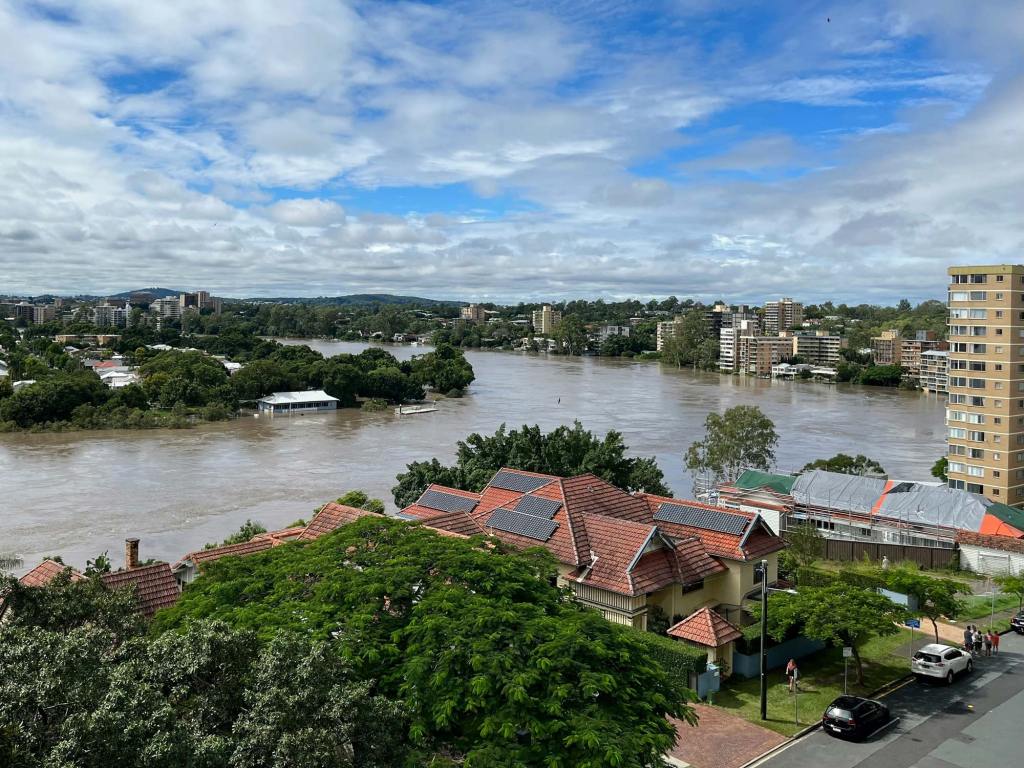
Flood risk is rarely shaped by one development or infrastructure decision. It can emerge gradually through a series of changes that appear minor when assessed separately.
At a regional Queensland council, individual development applications across a floodplain had been assessed in isolation over several years, with each producing an impact that appeared relatively small on its own. SMEC undertook cumulative flood modelling, which showed that the combined effect of development across the floodplain was contributing to wider impacts across the township. The findings prompted the council to pursue a strategic approach to flooding and consider how its planning framework could better address future risk.
A broader view of proposed development, existing conditions and anticipated changes across active floodplains can provide greater insight into cumulative risk. It may also reveal upstream and downstream effects that are difficult to identify when proposals are assessed separately, helping councils consider how planning frameworks and future development can avoid adding to existing exposure.
Flood resilience also depends on how infrastructure components, services and delivery organisations interact. A weakness at one interface can undermine the performance of an otherwise sound asset.
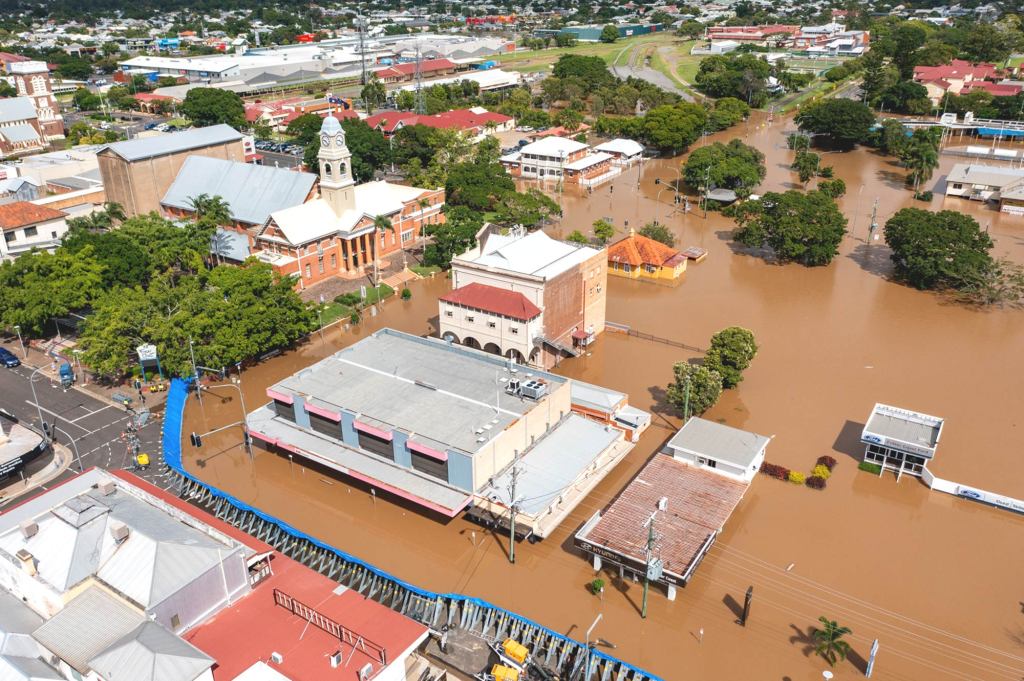
Following flooding in Maryborough, Queensland, Fraser Coast Regional Council engaged SMEC to investigate a failed penstock gate within the city’s flood levee, which found deficiencies in the system’s design and installation. The issues could not be attributed to one component alone, and arose from how the complete system was conceived, integrated and constructed.
Working with the council and local manufacturers, the project team developed and implemented a temporary flood-protection solution was developed and implemented ahead of the next wet season. It was subsequently tested during a larger flood event and performed as intended, helping prevent floodwater from entering the central business district.
Reviewing critical flood infrastructure as a complete system can identify risks that may be missed when individual components are considered separately. It may also reveal gaps at the interfaces between design, manufacture, construction and operation, particularly where responsibilities are divided across several organisations. Clear accountability, information sharing and appropriate redundancy can reduce the likelihood that a weakness at one interface compromises the wider flood protection system.
Flooding can affect essential water and wastewater services in several ways. It can compromise potable water quality, overload gravity sewer networks and inundate treatment plants. The consequences can extend beyond damage to individual assets to the reliability of the services communities depend on.
During a five-year program of treatment plant works in Brisbane, flood mapping and flow estimation identified that electrical, mechanical and civil assets needed to be raised by more than 300 millimetres to protect service reliability during a high flood-level event. This required tailored engineering because many existing assets and proprietary products had not been designed to operate in an elevated position. SMEC adapted existing systems and customised vendor products to support their continued operation.
Accurate flood assessments can help infrastructure owners understand where services may be vulnerable and determine an appropriate response. They may also reduce the risk of investing in measures that are ineffective or unnecessarily costly. Where existing assets cannot easily be relocated or raised, adapting equipment and systems to local conditions can support continued operation and help maintain essential services during flooding and severe storms.
We cannot design away every flood, but choices about where growth occurs, how infrastructure systems are integrated and how essential services are protected can reduce the consequences of future events.
Past flood events and SMEC’s experience in Queensland show that flood resilience needs to be considered across the full infrastructure lifecycle, from strategic planning and design through to operation and emergency response. As Australia continues to grow, these insights can help shape infrastructure and communities that are better prepared to withstand disruption and recover.
