
Expertise


From the early pioneers on the Snowy Mountains Hydroelectric Scheme, to our leaders and innovators of today, our people make us who we are.
Through our network of global specialists and by collaborating with local partners, we connect you with the best teams and capabilities to deliver highly innovative and sustainable solutions.
As an organisation we are continually evaluating ways we can better provide a safe, flexible, inclusive and respectful workplace for our people and clients.
People are at the heart of our organisation, we strive to create a flexible, diverse and inclusive environment that enables our people to thrive to their fullest potential.
Explore career opportunities
Real progress happens when we break down silos and connect designers, contractors and owners to a single source of truth. As a superintendent on master-planned communities in SEQ, I’ve pushed practical digital workflows while partnering closely with delivery teams. Leading on tech also means being a responsive partner to clients and contractors through change.
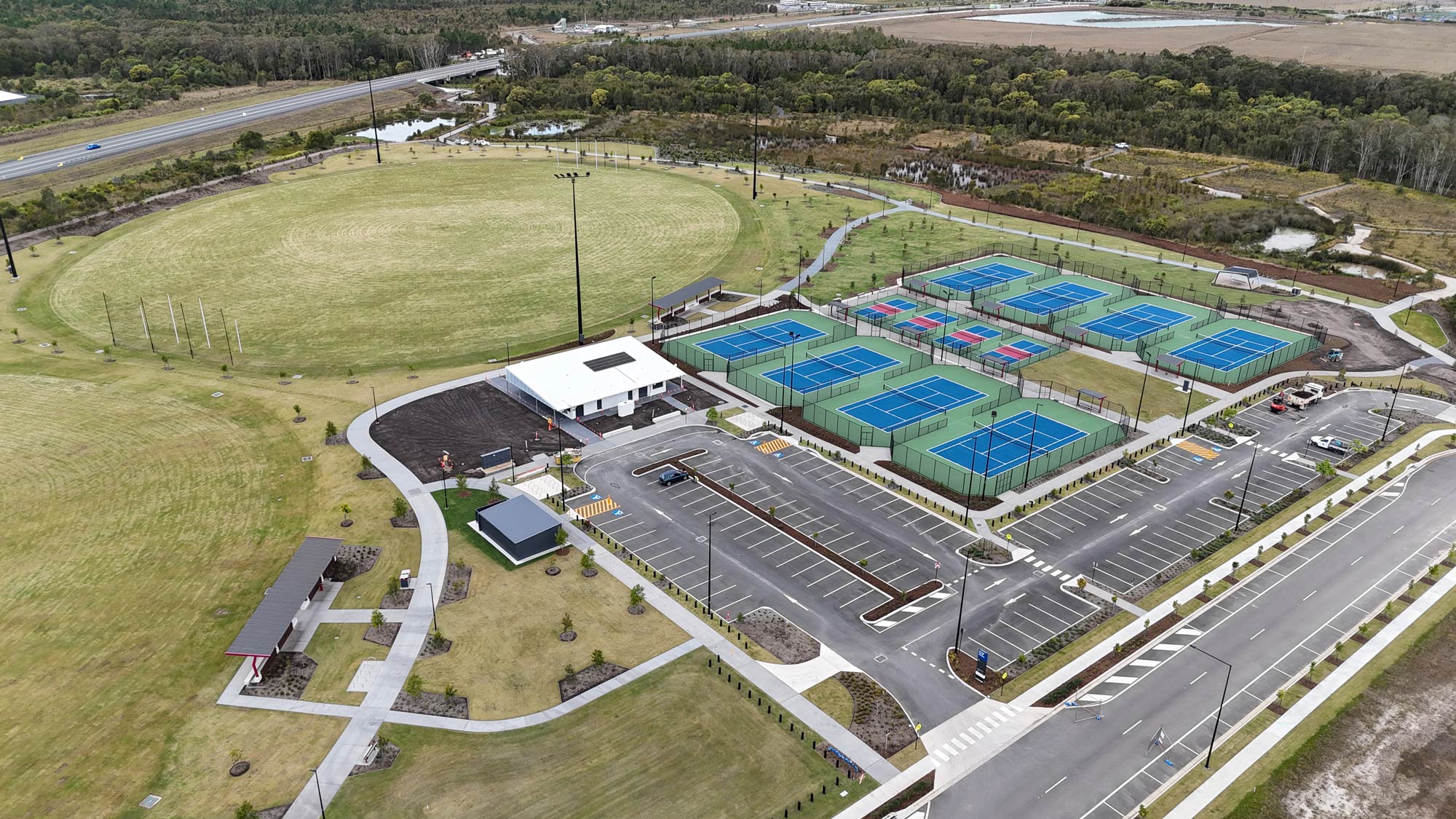
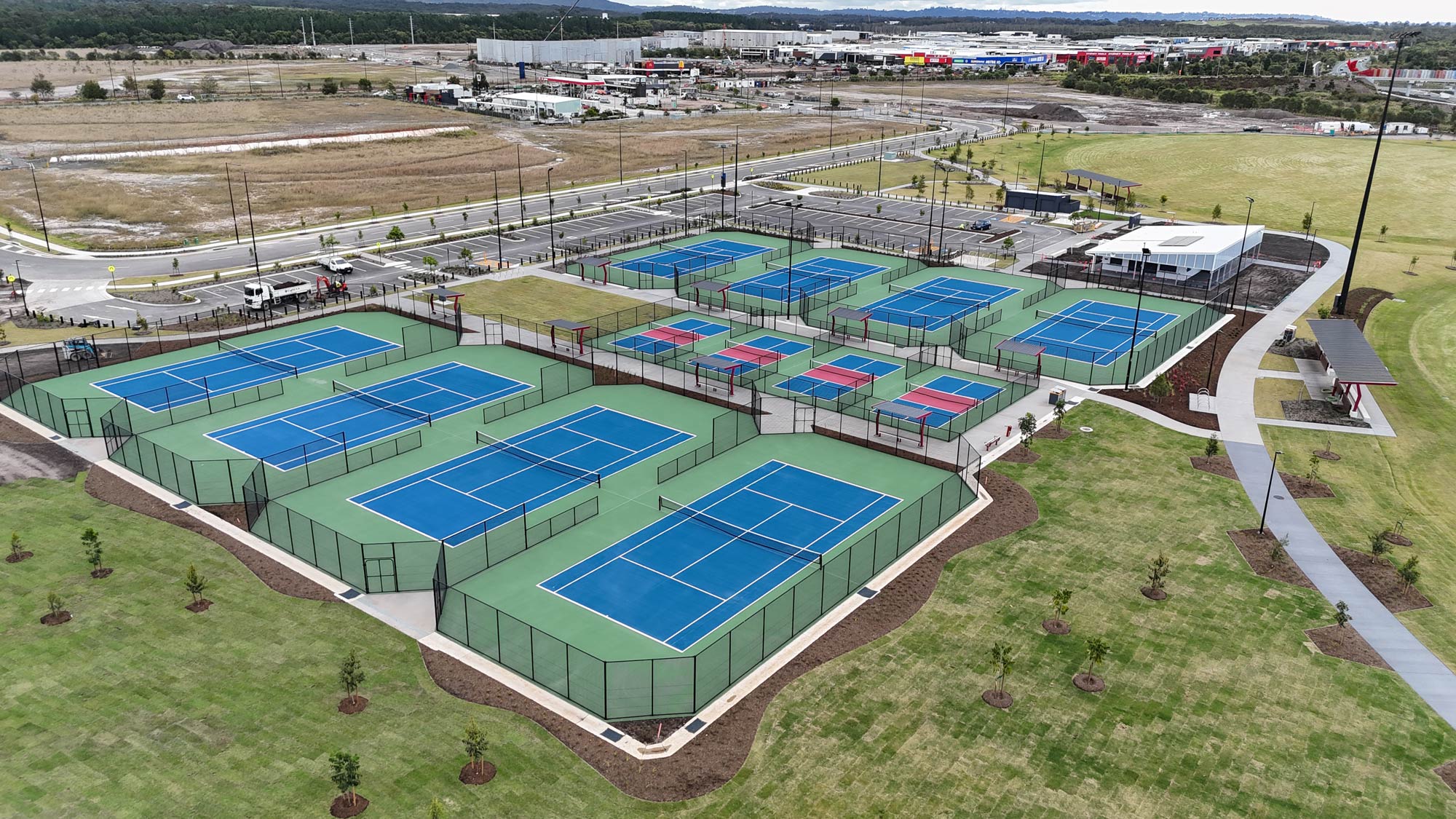
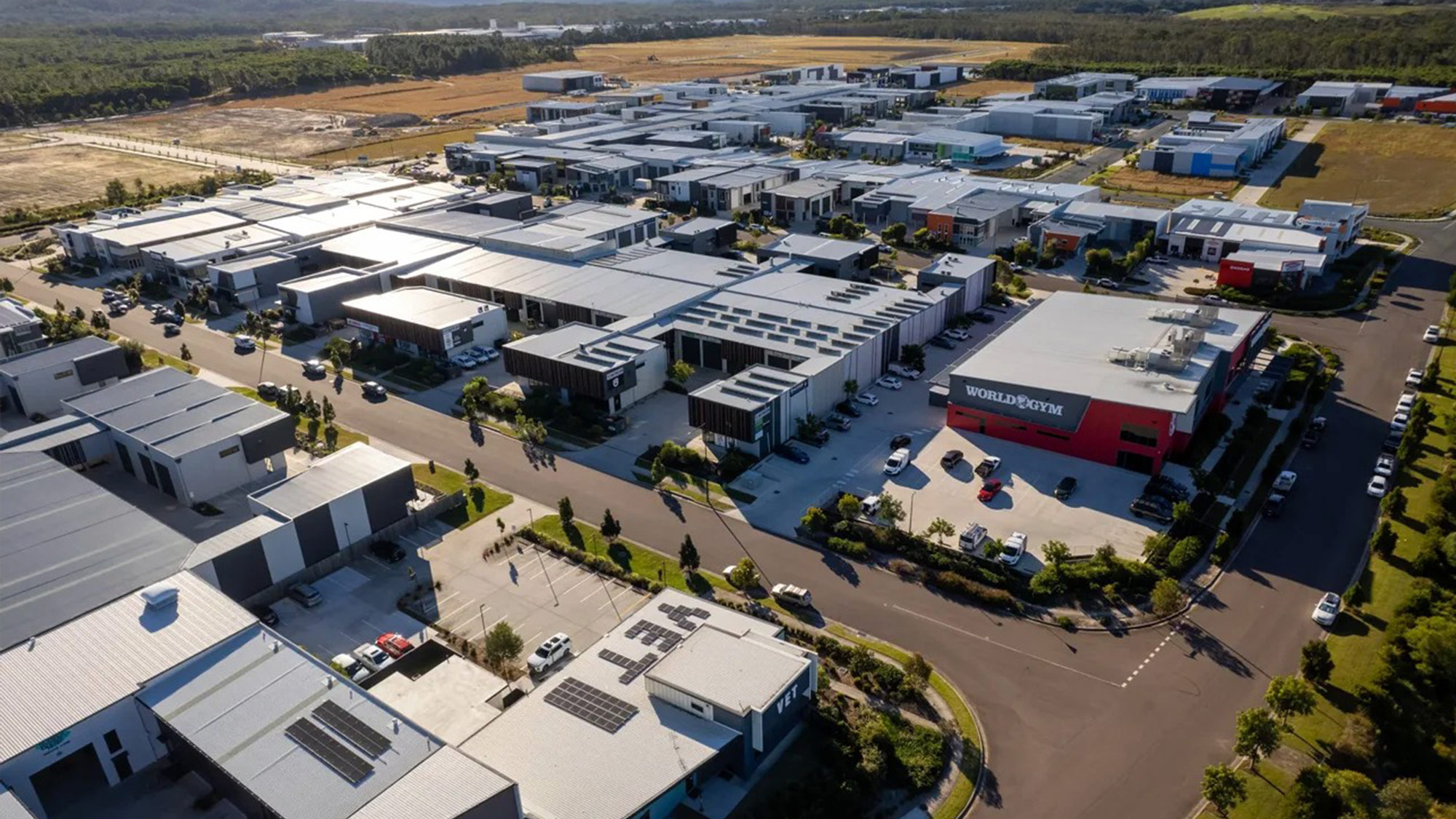
Our work at Stockland’s Aura Business Park on the Sunshine Coast is a clear example of digital adoption reshaping construction management and delivery. The project is fast-paced and complex, generating hundreds of data points each month. Here our team uses ACC to create connected workflows: every photo, test result, RFI response or field instruction is captured once and pinned to its corresponding asset rather than disappearing into an inbox or a paper folder.
Traditionally, evidence lives where it was created: a supervisor’s phone gallery, a project engineer’s Sent Items, or a long-expired link. At milestones handover, authority certification, or a claim someone has to reconstruct the story from fragments.
The superintendent’s golden thread reverses that. In plain English: capture once, reuse many times anchored to the asset. Photos, tests, RFIs and instructions are pinned in ACC to the actual pit, culvert, pavement bay, manhole or sign. If a pit is poured today, the asset is tagged and linked to testing reports and progress photos. Later, if there’s a query on excavation or quality, we open the asset in ACC and the evidence is there. The same evidence that clears a hold point often supports a variation, explains a direction and smooths close-out.
This connected thread has saved hours and reduced errors by keeping everyone on the same page. Month-end and handover stop feeling like scavenger hunts because decisions and proofs live with the asset, not in email.
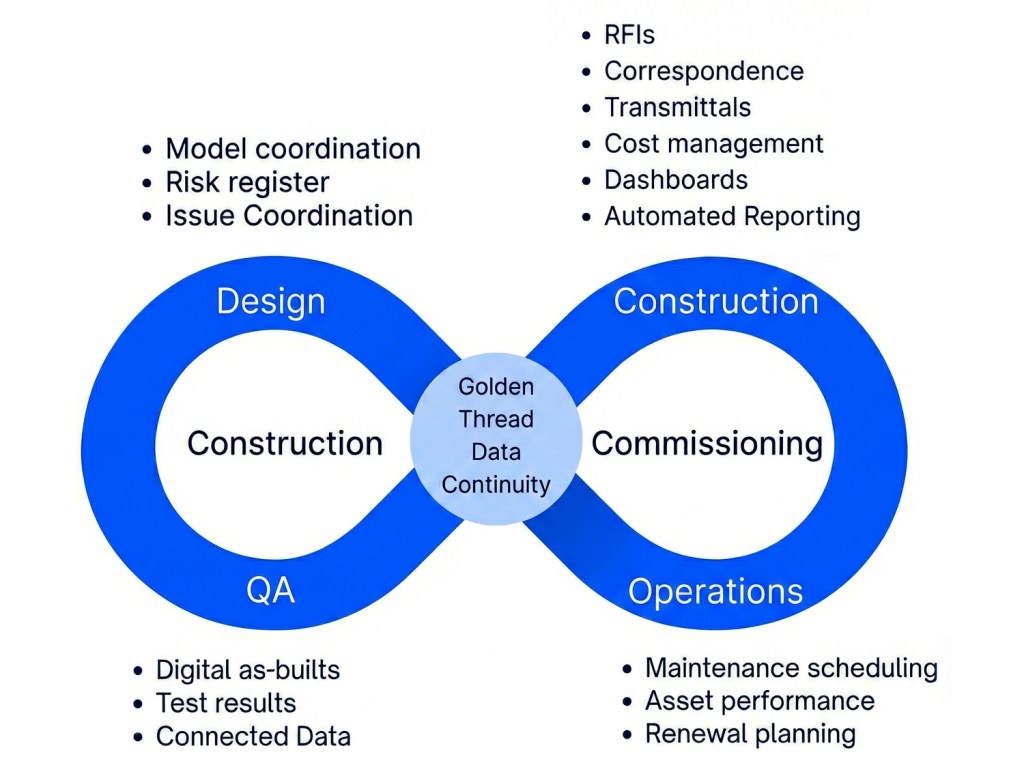
Not everyone shares the same Common Data Environment. So, we’ve made email the front door and ACC the workplace. A simple Outlook add-in and Power Automate flow intercept incoming emails to the project mailbox and log them into ACC: an Issue or RFI is created, attachments are uploaded, and a deep link back to the original email is stored for audit.
We still communicate the way people prefer, email isn’t banned, but we don’t decide inside email. To avoid double handling and duplicate systems, we agreed one firm ground rule early on. If it is not in ACC, it does not exist. By committing fully to the platform, and after some habit building, we and our partners naturally followed the process that keeps the data in one place.
We didn’t impose tech for tech’s sake. Instead, we focused on embedding the knowledge of our best people into the system. Experienced superintendents and inspectors defined what good evidence looks like for each work type, and we worked together to configure simplistic workflows and protocols to keep records clean between email, assets and issues.
Once the golden thread was in place, the benefits started to show through everyday processes. We applied the same philosophy to other workflows. Weekly progress meetings now live in the ACC Meetings module with a tight agenda and concise minutes. Every agenda item links to its source, RFI, Submittal, Issue or specific Asset, and actions get an owner and date in the room.
RFIs and Submittals follow the same discipline: clear owner, due date, affected drawing/asset. If an RFI lingers beyond (say) 14 days, it flags the reviewer, lands back on meeting actions and shows up on My Work so it can’t slip.
We are now bringing cost management into the same orbit. Contractor claims that once lived in Excel are uploaded into ACC Cost so the entire claim sits in one place. Cost lines are linked to the same assets, photos, tests and RFIs that already document the work. This connection means certification is based on a clear, consolidated body of evidence. Variations follow the same pattern. They are created in ACC and linked to the relevant asset with supporting evidence. This is then carried through seamlessly into reporting cycles and commercial management processes.
Time savings have emerged across document control, RFIs, QA reporting, variation management and defect close. No single number is dramatic, but small gains compound across RFIs, Issues, Inspections, Meetings, Claims and Handover.
Crucially, transparency extends to external stakeholders, including Stockland, so everyone sees the same source of truth. That’s fostered a more collaborative culture: people trust the process because they can see the context and rationale behind decisions. The cultural shift is as important as the time saving.
While my role focuses on civil delivery, the same digital philosophy supports environmental management at Aura. Our environment team uses a web-based GIS portal as the single source of truth for constraints (flora, fauna, habitat, approvals). Before work starts, crews check no-go zones and fresh aerials overlaid with design footprints. Integrated monitoring (sensors, camera traps, eDNA) feeds simple dashboards to support adaptive management, creating a parallel digital thread that links construction decisions with Aura’s ecological context.
By weaving this golden thread through our project data, SMEC isn’t just ticking a technology box. We are simplifying complexity and investing in better delivery. Our experience at Aura Business Park shows that digital delivery, done well, leads to safer, faster and fairer outcomes. It starts with a simple question, where should information live? and continues through small, disciplined changes: email as intake, decisions on the ACC record, and cost linked to the same evidence. As platforms mature, the opportunity is to stay focused on data management, performance and impact and keep strengthening the thread from field to asset to handover.
From major transport networks to renewable energy developments and water security projects, engineering is becoming increasingly data-driven, unlocking new possibilities for efficiency, cost savings, and long-term resilience
I often ponder about the future of our industry and where technology will lead us and indeed, where will we lead technology. Is technology challenging the equilibrium when it comes to a full-service offering in the engineering industry? Some would say yes if our lives today are anything to go by.
Digital transformation is well established throughout Engineering Consultancies, with digital teams and digital tools peppered throughout service offerings. While these services and tools provide strong value, the greater advantage comes when an organisation embraces a digital mindset; harnessing technology, data, and continuous learning to deliver truly exceptional outcomes for our clients and communities.