
Expertise


From the early pioneers on the Snowy Mountains Hydroelectric Scheme, to our leaders and innovators of today, our people make us who we are.
Through our network of global specialists and by collaborating with local partners, we connect you with the best teams and capabilities to deliver highly innovative and sustainable solutions.
As an organisation we are continually evaluating ways we can better provide a safe, flexible, inclusive and respectful workplace for our people and clients.
People are at the heart of our organisation, we strive to create a flexible, diverse and inclusive environment that enables our people to thrive to their fullest potential.
Explore career opportunities
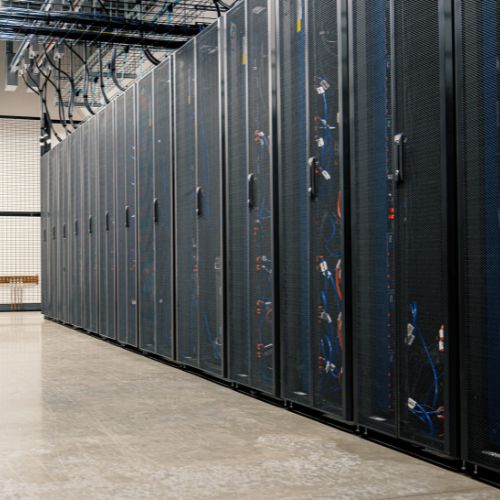
Data centres are booming, and so is their thirst. Modelling large-scale consumption across Greater Sydney, this work shows demand could reach a quarter of potable supply by 2035, amplifying drought stress into severe system deficits. By coupling yield modelling with climate stressors and cross‑sector forecasts, we reveal the socio‑economic ripple effects, pricing shocks and equity risks, then test practical responses: desalination, recycled water and regulatory caps. The takeaway: digital growth needs integrated water planning.
Presenters: Mohammad Rahman, David Stone
Tuesday 26th May – 11:00, Stream 4, Room P10
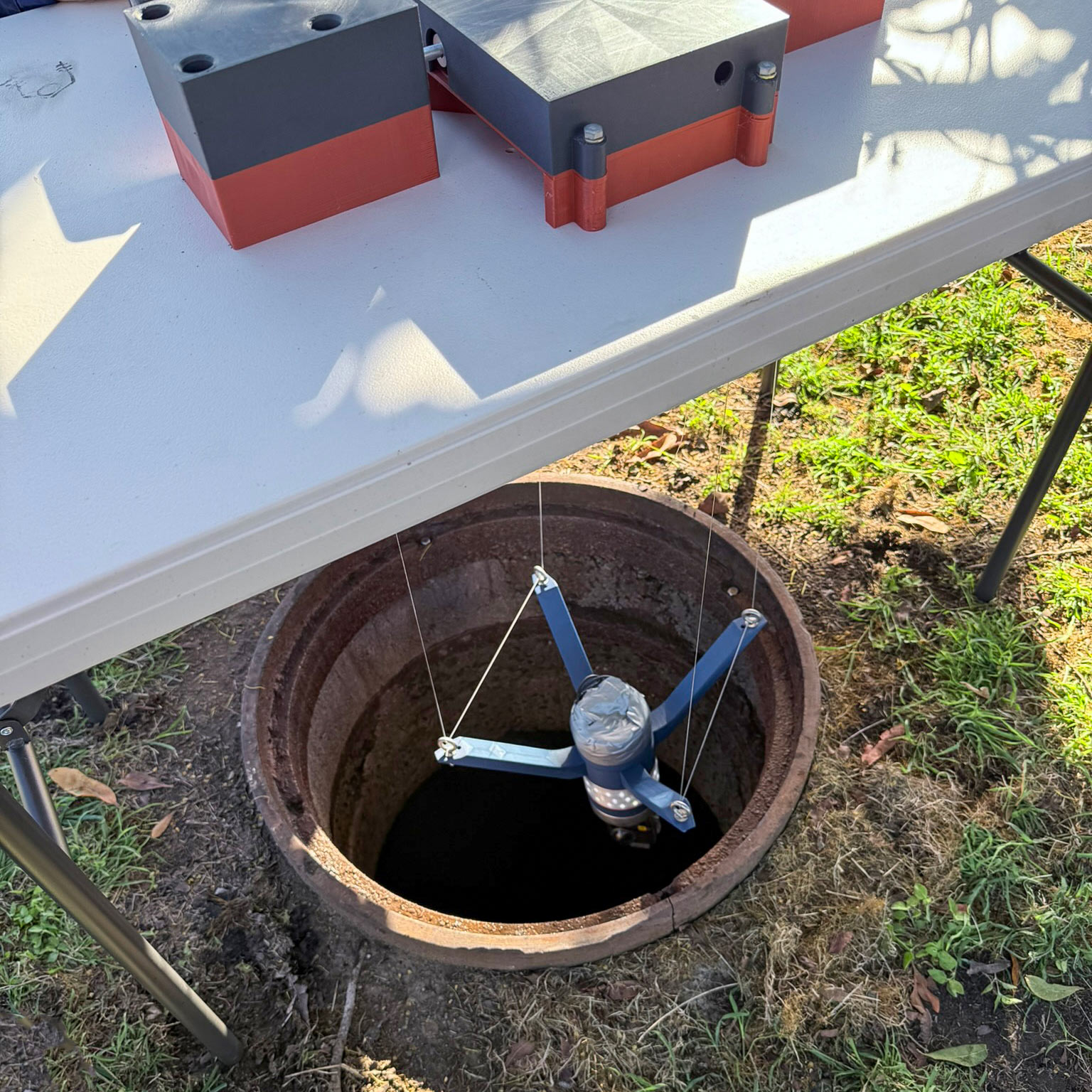
Get clearer condition data without putting people underground. This talk introduces a stabilised no entry visual inspection system for sewers: a pulley guided lowering mechanism, fixed camera mount and enhanced LED lighting that delivers steady, high-quality footage. Field trials in a 19-metre-deep manhole improved defect detection and grading accuracy while reducing confined-space entry risk. The result is a safer, low-cost, scalable way to strengthen evidence-based maintenance, renewal planning and long term network resilience.
Presenter: James Shingles
Tuesday 26th May – 2:20 pm, Stream 2, Room P7
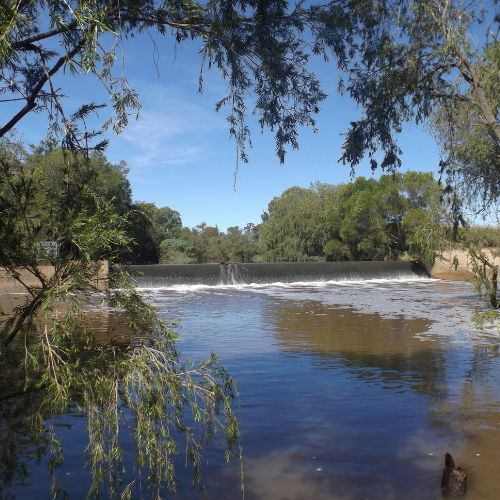
Knowing where the water really goes is the first step to securing food production. In the Warrill Valley Water Supply Scheme, we combine historical records and operator knowledge with on-ground stream gauging using Large Scale Particle Image Velocimetry (LSPIV) and Acoustic Doppler Velocity Meter (ADVM) methods. The Warrill Trial pinpoints priority reaches and behaviours across this complex network, sharing early insights and a repeatable methodology that sets up deeper investigations and smarter operational decisions next.
Presenters: James Shingles, Nick Purdam
Wednesday 27th May – 4:40 pm, Stream 4, Room M2
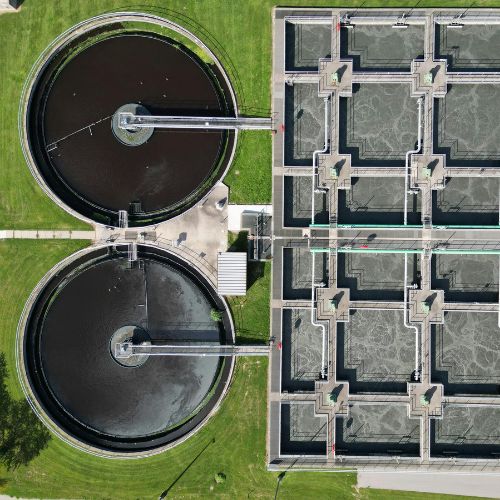
As climate pressure, growth and ageing assets intensify, traditional infrastructure responses alone are no longer enough. This presentation demonstrates how targeted digital and data investments can fundamentally change water sector performance. Through real world case studies, it shows how predictive analytics, SCADA optimisation and geospatial data integration reduce losses, strengthen resilience and deliver major financial savings, often delaying or avoiding costly capital works. The message is clear: smarter data use delivers outsized returns.
Presenters: Mani Manivasakan
Thursday 28th May 12:45 pm, Stream 4, Room P6

This presentation shows how failure mode analysis turns ‘what if?’ into ready-to-build action: credible failure scenarios linked to constructable repair pathways, pre‑approved methods and staged response options. Three case studies, from a critical MSCL wastewater pipeline, to an early‑1900s cast‑iron trunk main, to a young inlet manifold suffering severe local wall loss, demonstrate faster recovery, stronger continuity and more defensible intervention timing.
Presenters: Anton Bardak, Zohreh Soltani Asadi
Thursday 28th May – 2:15 pm, Stream 1, Room M1
** Shortlisted as best paper finalist.
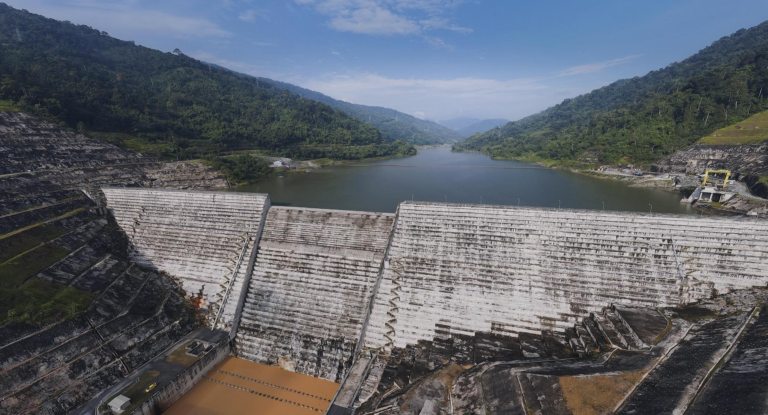
Across the globe, many dams are reaching the end of their original design lives.
Over the past few years Australia has witnessed extreme climate events from widespread drought to bushfires and severe flood events. Our Water Resources team strive to stay at the forefront of supporting a more climate resilient future for Australia. Through our research and techniques, we are looking to drive industry change to deliver future-proofed, climate resilient designs that improve flood risk management.