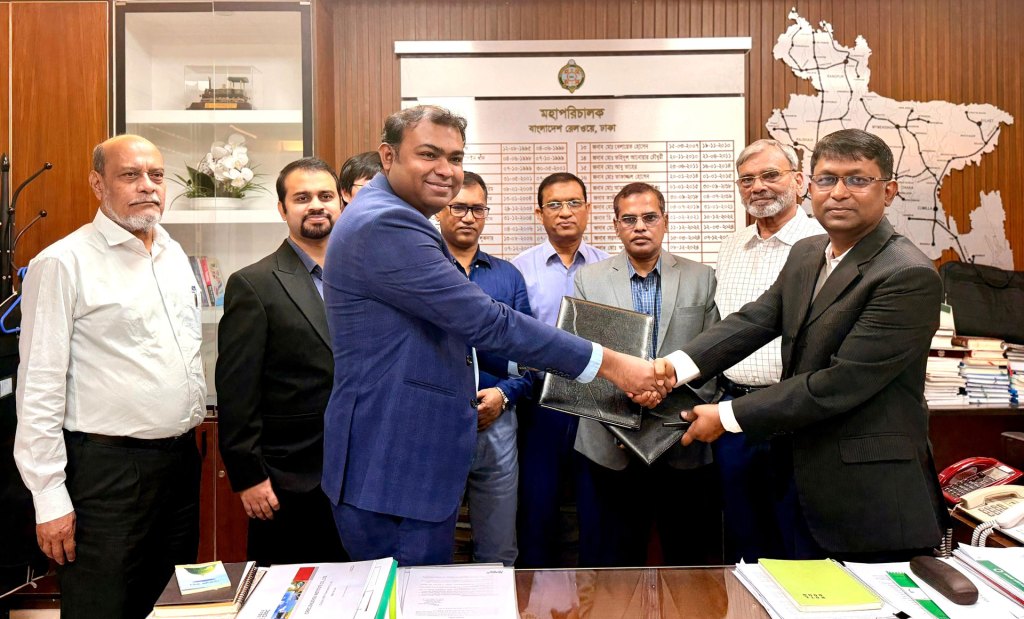
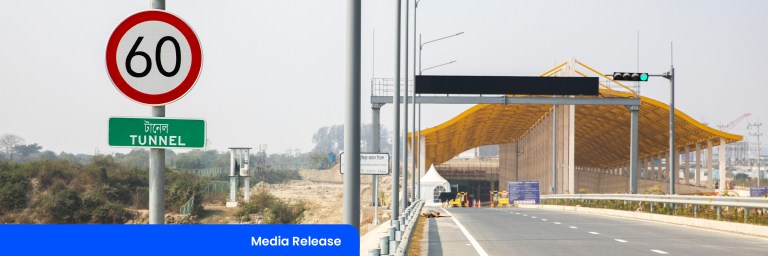
The project is also closely aligned with the wider development of the Bay Terminal, which is expected to increase Bangladesh’s global trade competitiveness, supporting connectivity with India, Bhutan, and Nepal. Enhancing rail freight connections to major port infrastructure will be important to unlocking these wider economic and logistics benefits across the national transport network.
While the project is freight-focused, its benefits extend beyond goods movement alone. Strengthening rail freight corridor capability can help reduce pressure on major road routes, improve logistics reliability, support safer transport outcomes and free up capacity across the shared transport network used by both freight and passenger movement.

The milestone builds on SMEC’s long-standing involvement in region-shaping rail projects across Bangladesh. From the Dohazari–Cox’s Bazar rail corridor to Dual Gauge Double Line Between Joydebpur-Ishurdi Section project, SMEC has contributed to infrastructure that is forming a key backbone of Bangladesh’s modern transport system.
Across these projects, SMEC’s focus has remained consistent: supporting clients with practical engineering, robust project preparation and transport solutions that respond to rapid economic and population growth. The Dhaka–Chattogram freight corridor continues this, with a clear emphasis on improving the efficiency, reliability and resilience of freight movement between ports, economic zones and markets.
As the preparatory facility progresses, the Joint Venture will continue to work closely with Bangladesh Railway to support the development of a corridor that is central to national productivity, trade and long-term connectivity. By strengthening the planning foundations for future rail freight investment, the project will help Bangladesh move toward a more efficient, integrated and resilient transport network – supporting both the movement of goods and the communities that depend on it.