

Expertise


From the early pioneers on the Snowy Mountains Hydroelectric Scheme, to our leaders and innovators of today, our people make us who we are.
Through our network of global specialists and by collaborating with local partners, we connect you with the best teams and capabilities to deliver highly innovative and sustainable solutions.
As an organisation we are continually evaluating ways we can better provide a safe, flexible, inclusive and respectful workplace for our people and clients.
People are at the heart of our organisation, we strive to create a flexible, diverse and inclusive environment that enables our people to thrive to their fullest potential.
Explore career opportunities
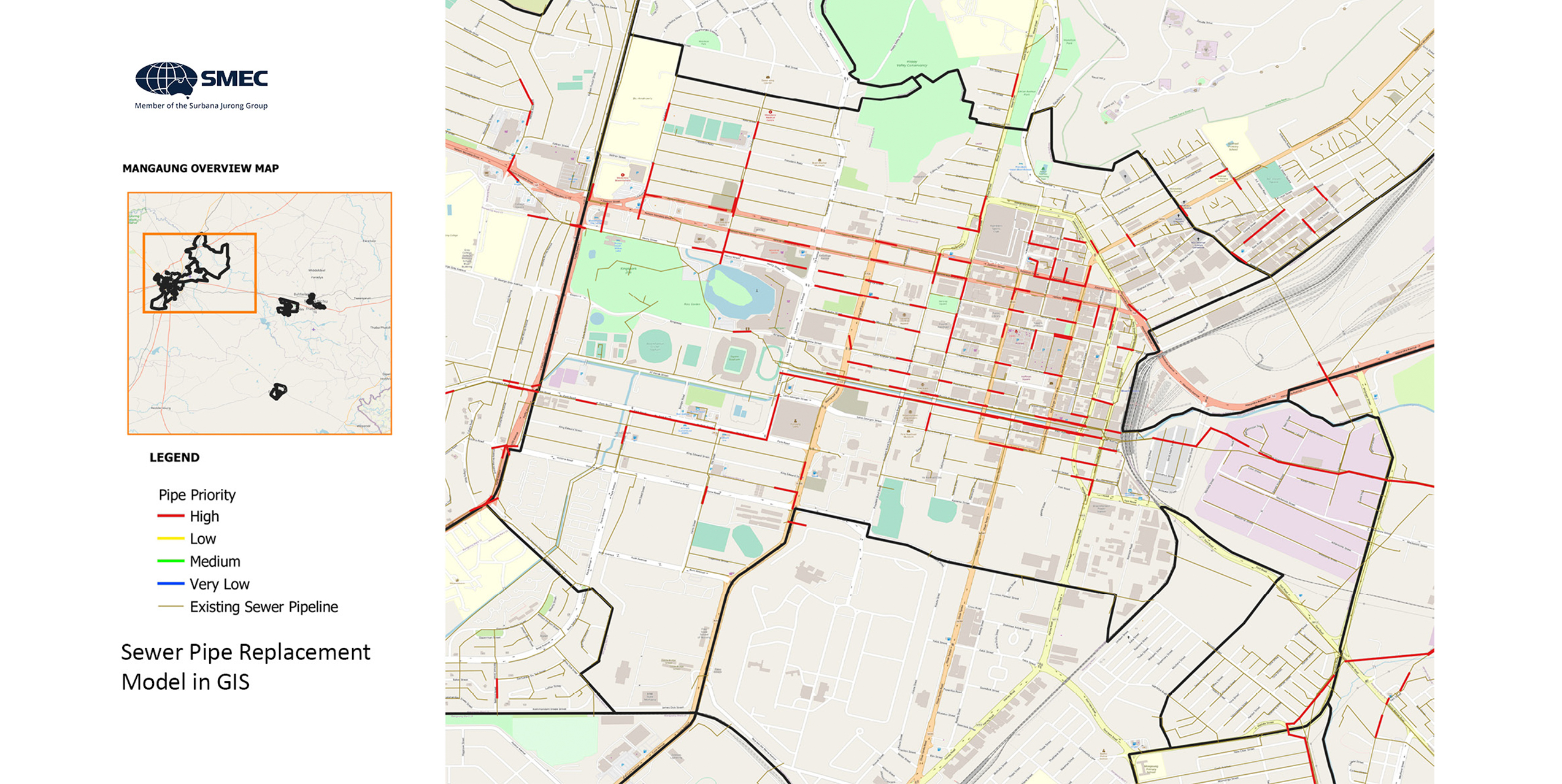
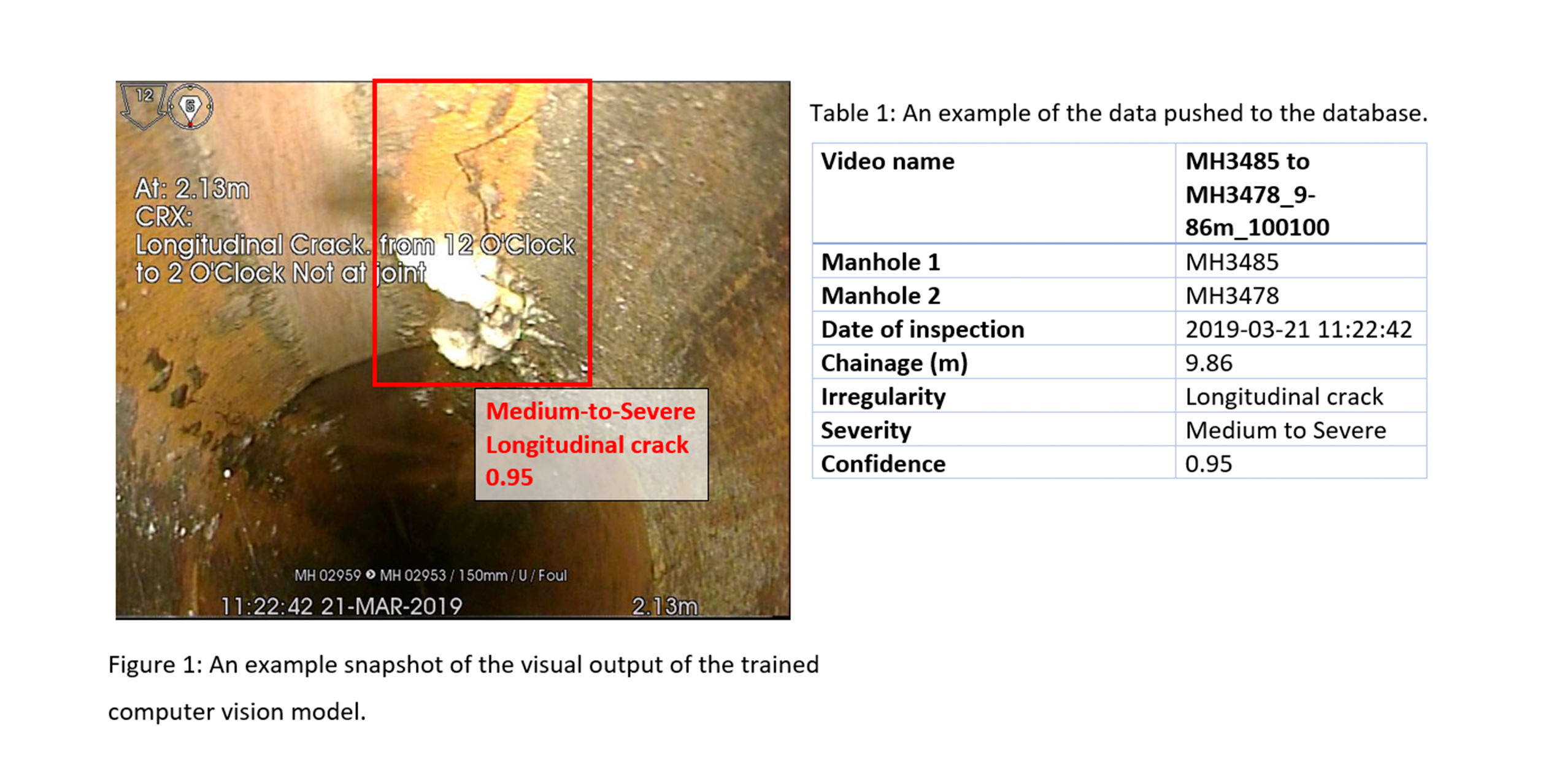
Figure 1 displays an example of the results from the preliminary model, with the output generated through the following process:
As Australia’s most flood-prone state, SMEC’s experience in Queensland has shown how decisions made across the infrastructure lifecycle can shape long-term resilience.
Intermodal transport is increasingly recognised not as a logistics concept, but as a defining framework for modern transport infrastructure planning and supply chains.
Infrastructure projects are often measured by what they build: kilometres of roads, megawatts of power generated or assets delivered.
Uncertainty has become a defining feature of the environment in which infrastructure is planned, financed and delivered. Geopolitical tensions, economic volatility, climate risk, changing investment priorities and rapid advances in technology are reshaping the assumptions on which long-term infrastructure decisions have traditionally been made.