


Lake Hargy Mini Hydropower Upgrade Study


From the early pioneers on the Snowy Mountains Hydroelectric Scheme, to our leaders and innovators of today, our people make us who we are.
Through our network of global specialists and by collaborating with local partners, we connect you with the best teams and capabilities to deliver highly innovative and sustainable solutions.
As an organisation we are continually evaluating ways we can better provide a safe, flexible, inclusive and respectful workplace for our people and clients.
People are at the heart of our organisation, we strive to create a flexible, diverse and inclusive environment that enables our people to thrive to their fullest potential.
Explore career opportunities
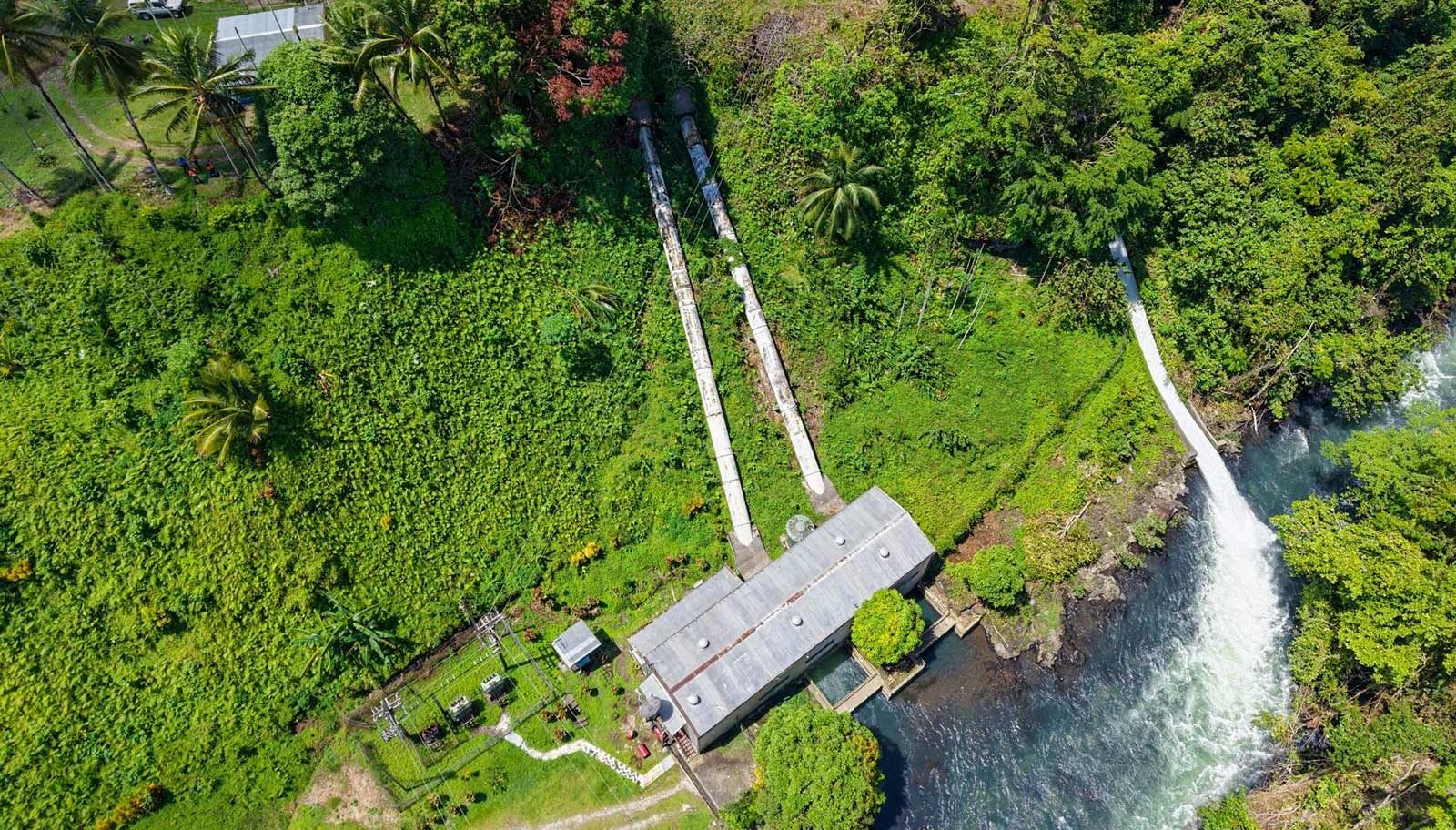
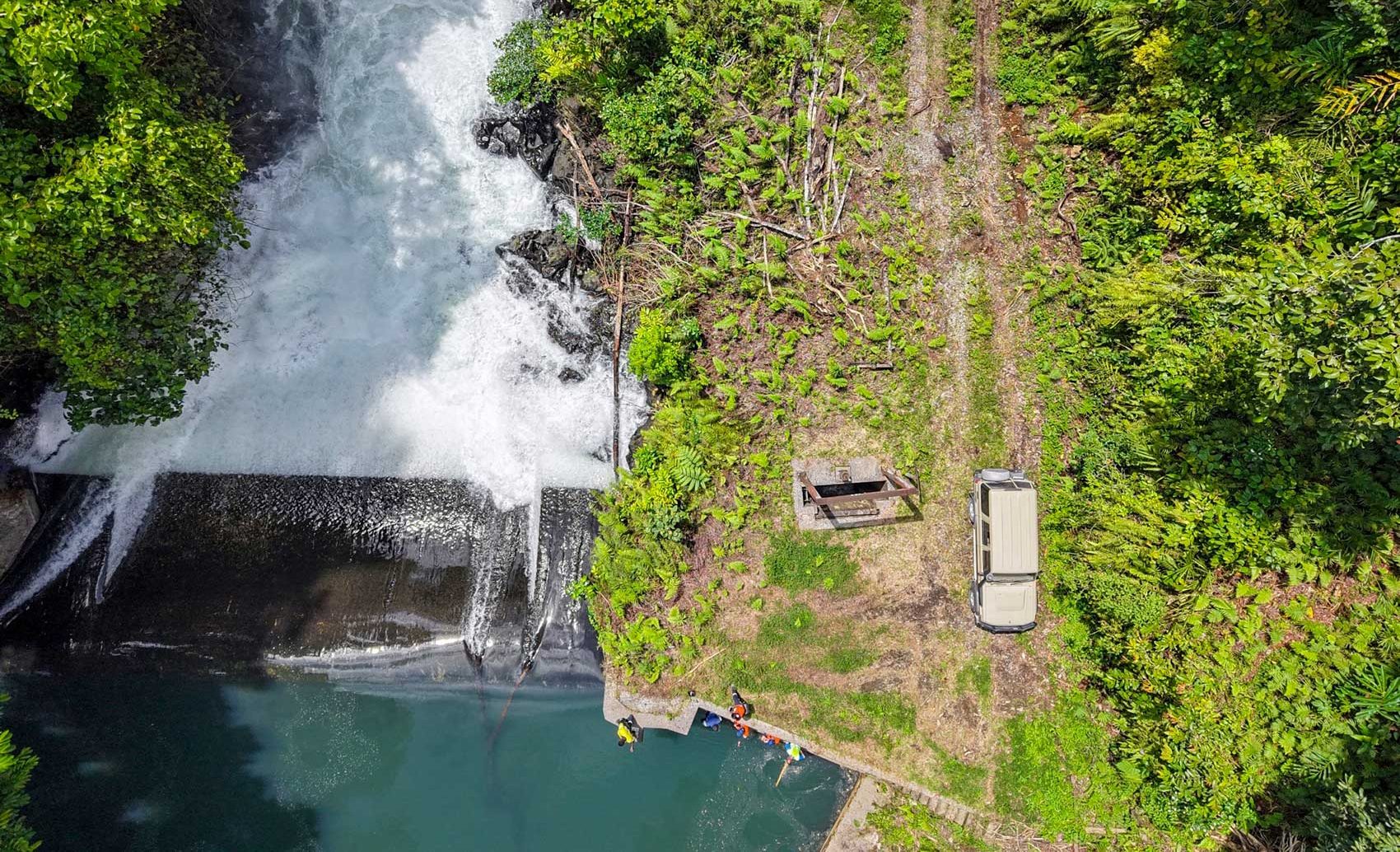
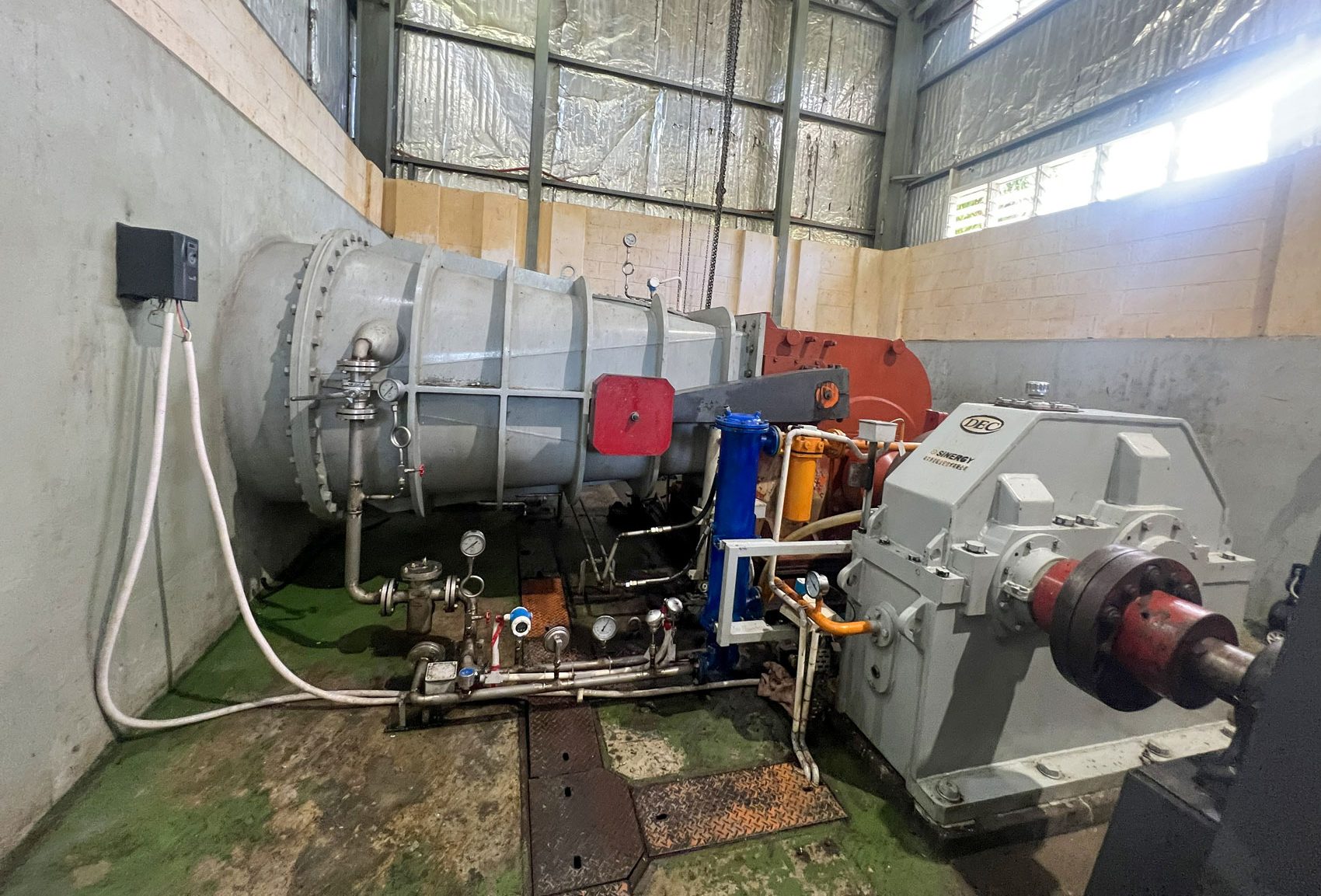
SMEC’s PFS is focused on identifying practical solutions to optimise and expand generation. This includes a detailed assessment of available hydrological data, including rainfall, streamflow and historical plant discharge records, to quantify surplus flows and define upgrade potential. The study will evaluate multiple upgrade options, including refurbishment of existing systems, integration of a modular or containerised turbine unit and potential enhancements to intake, headrace and penstock infrastructure to accommodate increased flow.
In parallel, SMEC is undertaking a desktop review of a previously completed prefeasibility study for the proposed Lower Lake Hargy hydropower project, reassessing hydrological, technical and economic parameters to determine its viability under current conditions.
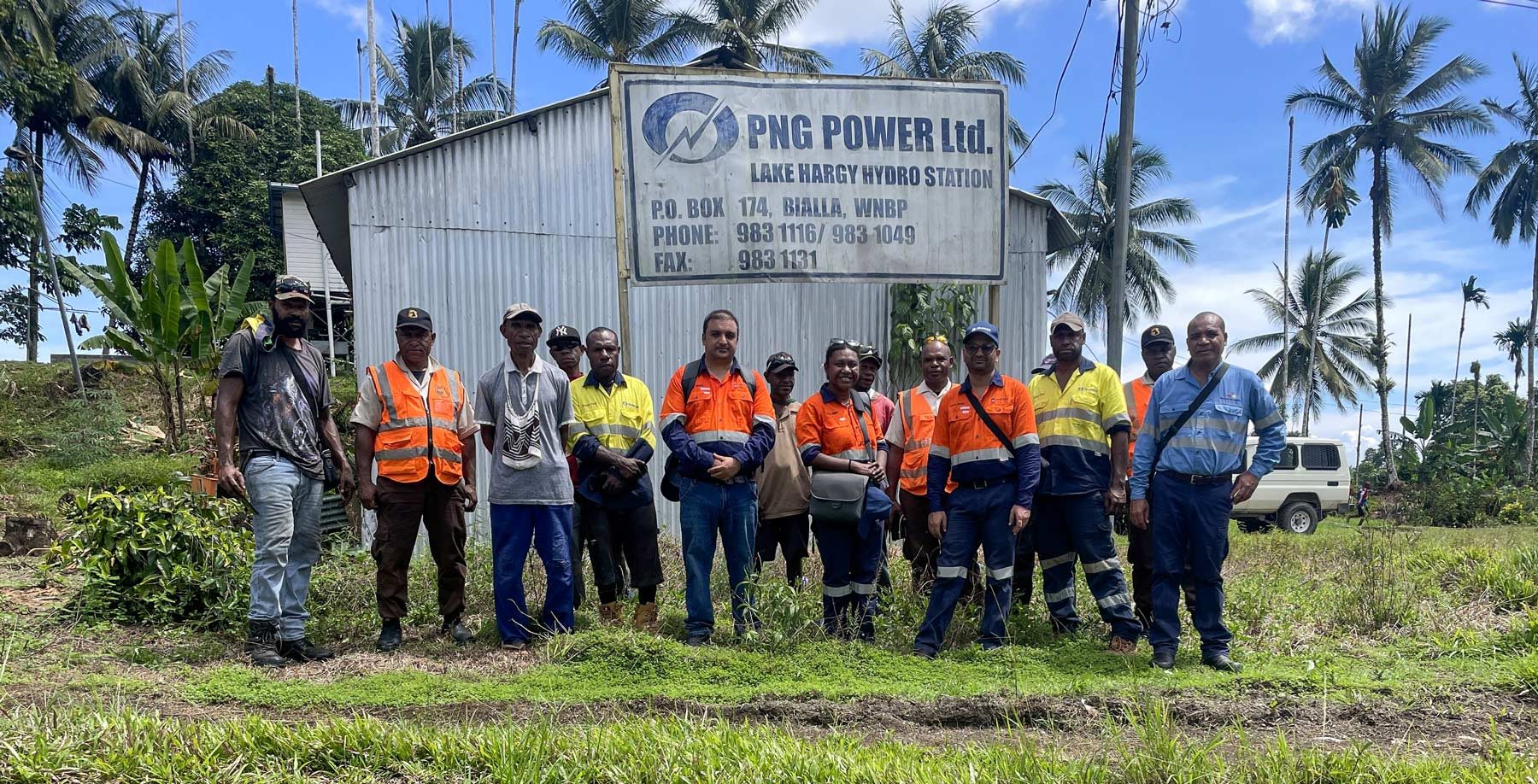
A recent site visit by SMEC’s multidisciplinary team has provided valuable insights into the condition of existing infrastructure and available head and site constraints, supporting the refinement of upgrade concepts. The study will culminate in a comparative assessment of development options, identifying technically viable and economically sound pathways for future implementation.
The Lake Hargy upgrade has the potential to maximise renewable energy generation from existing resources, improve system reliability and reduce reliance on diesel-powered generation.
Through this engagement, SMEC continues to support Papua New Guinea’s transition toward cleaner, more resilient energy systems, delivering tangible benefits for local communities and future growth.