


Expertise
Urbanisation, population growth, climate change, and technological disruption are converging to create unprecedented challenges and opportunities in the Transport sector.

The imperative to transform global transport infrastructure has never been more urgent. Global discussions continue to highlight the shared responsibility of industry, policymakers, and communities to build transport systems that are inclusive, resilient, and environmentally responsible – even sustainable.


The global trend towards urbanisation means that more people live in urban areas today than those that do not.  This is projected to reach 7 in 10 people by 2050, up from approximately 56% in 2020, with Asia and Africa expected to account for 35% of this growth (Our World in Data, 2025). This rapid urbanisation is placing increasing pressure on already congested cities to deliver safe, efficient, and inclusive mobility systems that reduce environmental impact and improve quality of life.


Considering the impact of this rapid urbanisation, it’s not surprising that the global transportation industry is projected to reach USD 11.1 trillion by 2030, expanding at a compound annual growth rate of 5.4% from 2024 to 2031 (Data Intelligence, 2024). In parallel, investment in energy transition is expected to be between USD 26 trillion and USD 30.2 trillion by 2035 a decisive shift toward sustainable, low-carbon, and resilient transport systems (Allianz, 2025).


The scale of investment underscores a shared responsibility and shared opportunity to reimagine how transport connects people and economies and impacts the planet. The transport sector is a major contributor to global emissions, responsible for approximately 23% of energy-related CO₂ emissions, with road vehicles alone accounting for nearly 70% (IPCC, 2023). How can we meet the world’s growing mobility demands while simultaneously reducing environmental impact, fostering social equity, and building resilient and regenerative systems that anticipate the needs of future generations?


The Imperative for Sustainable Transport Infrastructure

Infrastructure forms the backbone of modern society, encompassing transportation networks, energy systems, water supply, and digital connectivity. Traditional infrastructure models are increasingly inadequate for addressing the complexities of the 21st century as cities grow, mobility needs surge and environmental pressures intensify.


The International Transport Forum cities investing in integrated multimodal transport, electrified vehicle fleets, and intelligent traffic systems could reduce urban transport emissions by up to 40% by 2035 while also improving accessibility and operational efficiency. Coordinated multimodal investment provides a pathway to low-carbon, resilient urban mobility supporting not just environmental goals, but also inclusive social and economic growth.


And with global mobility demands expected to double by 2050 (IEA, 2024), and urban congestion and air pollution disproportionately affecting vulnerable populations in rapidly growing cities, sustainable transport solutions are not merely a technical or environmental consideration; they are central to social equity, economic resilience and quality of life. Infrastructure must be resilient, inclusive, and regeneratively designed to meet today’s needs while anticipating the challenges of tomorrow.

Key Industry Trends Shaping Sustainable Transport

The transport sector faces a convergence of environmental, social, and technological pressures that are reshaping the way infrastructure is planned, designed, and delivered. This raises critical questions: How can we create transport systems that are environmentally responsible, socially inclusive, and economically viable? How do we balance immediate operational needs with long-term sustainability goals?

Exploring these questions highlights the key trends shaping the future of transport.

  • Decarbonisation and Electrification: The transition to low-emission transport is accelerating. Global CO₂ emissions from fossil fuels reached 37.4 billion tonnes in 2024 (IEA, 2024). Electric vehicle (EV) adoption, expansion of EV charging infrastructure, and integration of renewable energy into power grids are pivotal steps in decarbonising transport. Investments in power grids to support electrification and digital infrastructure are projected to exceed USD 400 billion by 2025 (Reuters, 2024).
  • Smart Cities and Digitalisation: Digital technologies are transforming transport systems into intelligent, data-driven ecosystems. Intelligent transport systems (ITS), predictive maintenance, and digital design twins enable real-time optimisation of infrastructure, improved operational efficiency, and enhanced user experience (Under the Hard Hat, 2023). Digitalisation also supports monitoring environmental performance and adaptive urban planning.
  • Circular Economy and Resource Efficiency: Emphasising reuse, recycling, and minimisation of resource consumption, the circular economy is reshaping infrastructure design. Sustainable transport integrates low-impact materials, energy-efficient designs, and construction practices that extend asset lifecycles. The global market for eco-friendly infrastructure solutions is projected to reach USD 1.5 trillion by 2025 (WifiTalents, 2024).
  • Resilience and Climate Adaptation: Climate change impacts transport infrastructure through risks such as extreme weather, rising sea levels, and temperature fluctuations. Designing resilient systems protects communities and ensures service continuity. Nearly 3.5% of global GDP—around USD 4.2 trillion annually—is required to future-proof infrastructure against urbanisation and climate hazards (Allianz, 2025), and new WRI research finds that investing $1 in adaptation can yield more than $10.50 in benefits over 10 years.
  • Social Impact and Inclusivity: Transport systems are central to social equity and community development. Inclusive design ensures accessibility for all users, including people with disabilities, the elderly, and low-income populations. Social impact assessments are increasingly embedded in project planning to ensure equitable community benefits.
  • Global Policy and Investment Alignment: Governments and investors are increasingly embedding sustainability objectives into infrastructure planning. Policy instruments include renewable energy incentives, green financing frameworks, emissions-reduction targets, and regulatory standards. Private investment is aligning with these priorities, targeting projects that deliver measurable environmental and social outcomes (IFM Investors, 2024).
  • Emerging Mobility Technologies: Autonomous vehicles, connected transport networks, and digital traffic management systems are enabling safer, more efficient, and lower-emission mobility solutions. Integration with sustainable urban design and human-centred planning is critical to achieving net-zero transport futures.

Delivering Positive Change: SMEC’s International Portfolio

SMEC’s international portfolio demonstrates how sustainability, circular economy principles, and social impact can be embedded into transport infrastructure. Across global projects, SMEC, an SJ Group company, balances operational efficiency, community benefit, and environmental stewardship through collaboration with governments, industry, and local communities. By embedding circular economy practices, regenerative infrastructure strategies, and resilient design principles, SMEC transforms transport systems into catalysts for positive change, social inclusion, and environmental regeneration, including the examples below:

Dar es Salaam Accessible Public Transport Expansion, Tanzania

Strengthens sustainable urban mobility by improving accessibility, reducing congestion, and enhancing climate resilience across a 26.4 km corridor. As Project Management and Construction Supervision Consultant for Phase 5, SMEC is overseeing the delivery of 34 bus stations, seven feeder stations, and three terminals, while integrating flood-resilient infrastructure and environmental safeguards. The project exemplifies inclusive, low-carbon transport planning that supports equitable growth in one of Africa’s fastest-urbanising cities.
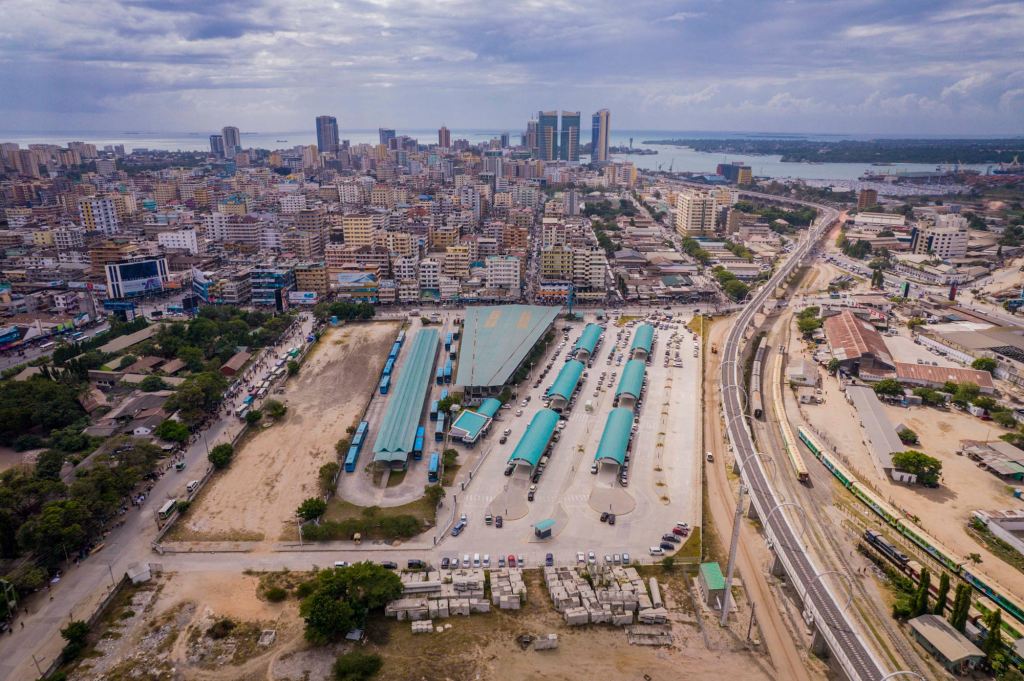
Dar es Salaam Accessible Public Transport Expansion, Tanzania

Crows Nest Station, Australia

  • 2025 ENR Global Best Rail Project

A 6-star Green Building Council design and as-built green star rating reflects the project’s focus on sustainability, with improved passenger flow, accessibility, and operational efficiency shaping a more seamless travel experience. As lead design consultant, SMEC implemented innovative engineering with the use of a pre-cast concrete beam structural solution which allowed for quicker construction times which in turn meant no formwork interference at platform level. This method supported safer delivery, reduced onsite disruption, and contributed to a more efficient program.
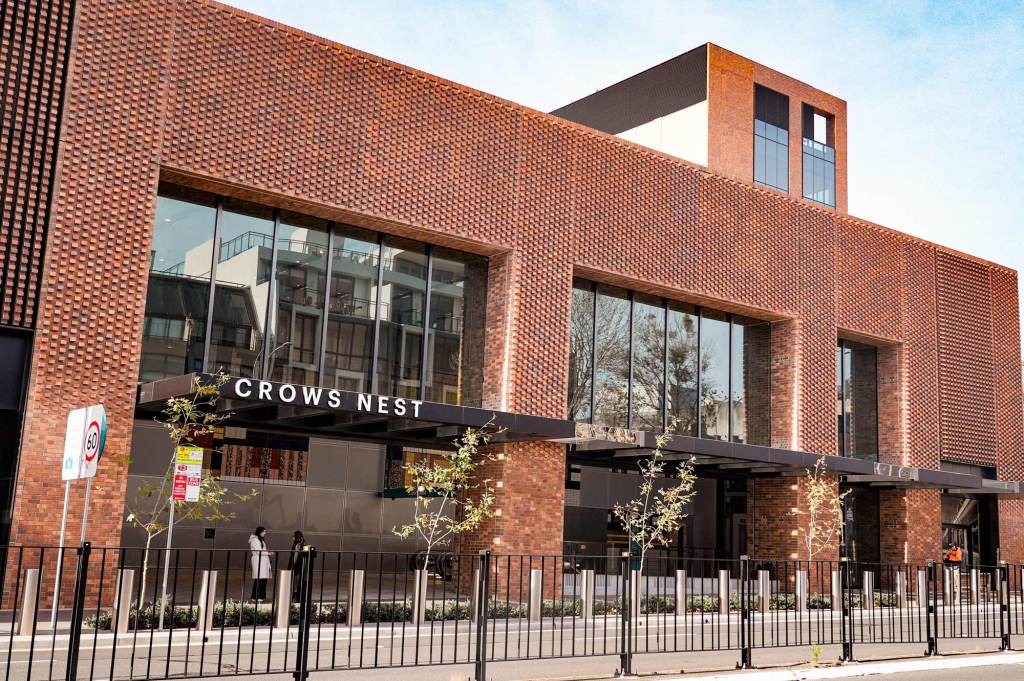
Crows Nest


Msikaba Bridge, South Africa

Designed to traverse the Msikaba River Gorge within the Pondoland Centre of Endemism, this bridge exemplifies SMEC’s commitment to delivering environmentally responsible and socially inclusive infrastructure. The cable-stayed design minimises physical impact on the landscape, while extensive environmental management measures safeguard one of South Africa’s most biodiverse regions. By creating local employment opportunities, prioritising skills transfer, and sourcing materials regionally, the project promotes both sustainability and shared prosperity. As part of the N2 Wild Coast Road, the bridge enhances connectivity and economic participation for rural communities while advancing long-term climate resilience.

Msikaba bridge

Greater Dhaka Sustainable Urban Transport Project (BRT-2), Bangladesh

A Bus Rapid Transit corridor providing low-emission, reliable public transport, reducing congestion, and promoting accessible mobility options.

Toward a Regenerative, Inclusive, and Future-Ready Transport Sector

Sustainable transport is not merely a sectoral objective; it is a societal and environmental imperative. As urbanisation accelerates, climate change pressures intensify, and mobility demands evolve, our infrastructure strategies must be guided by a long-term vision. The decisions we make today in the design, construction, and operation of infrastructure will define climate outcomes, social equity, and economic growth for generations. By embracing circular economy principles, regenerative design, digital innovation, and inclusivity at every stage, we can deliver transport networks that are resilient, efficient, and equitable systems that serve people, protect the planet, and safeguard the world we share.


Meet the author

Related
projects
and
insights

View all

Ready
to
connect?

Talk to one of our global specialists about our Transport solutions.