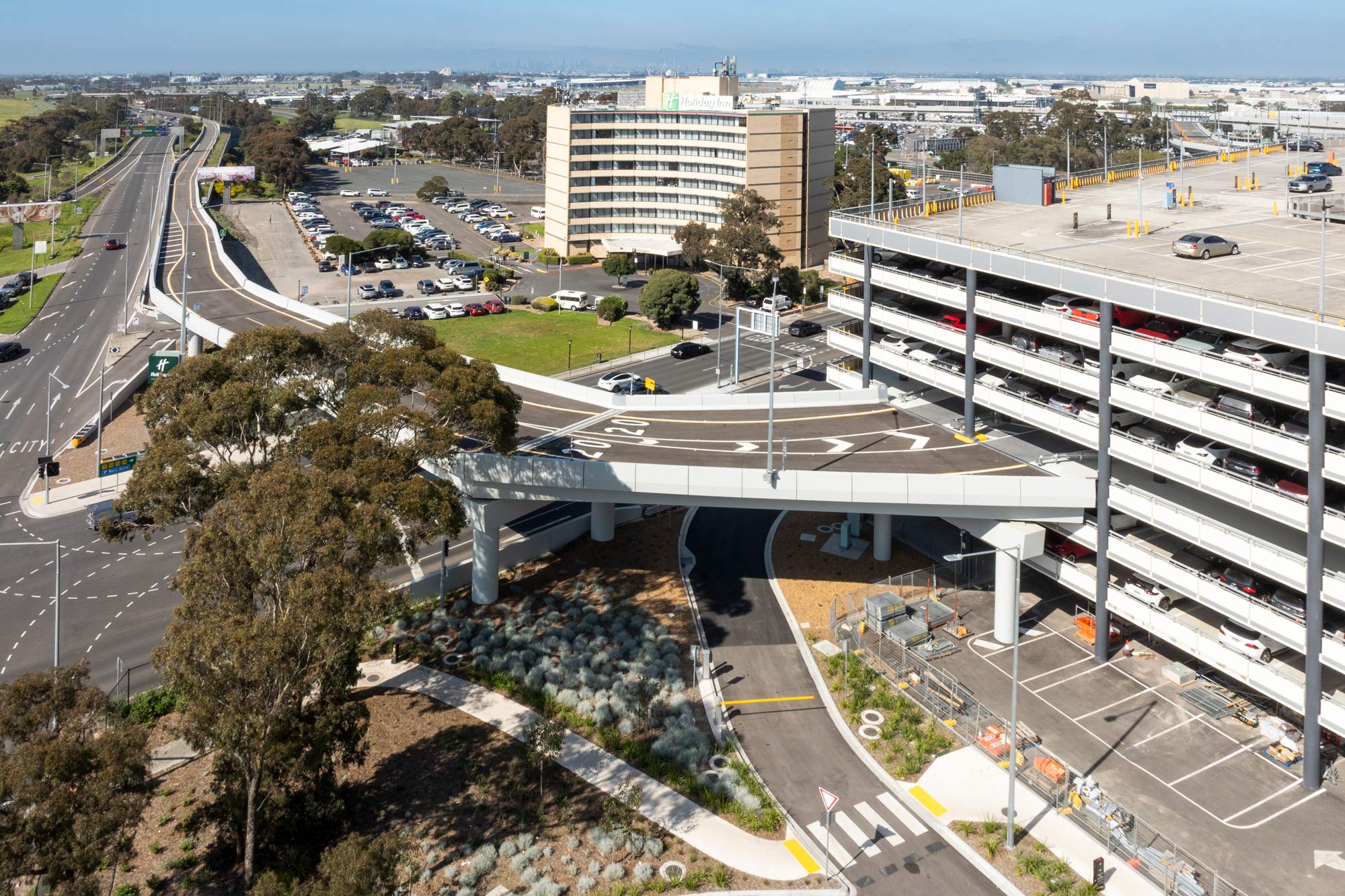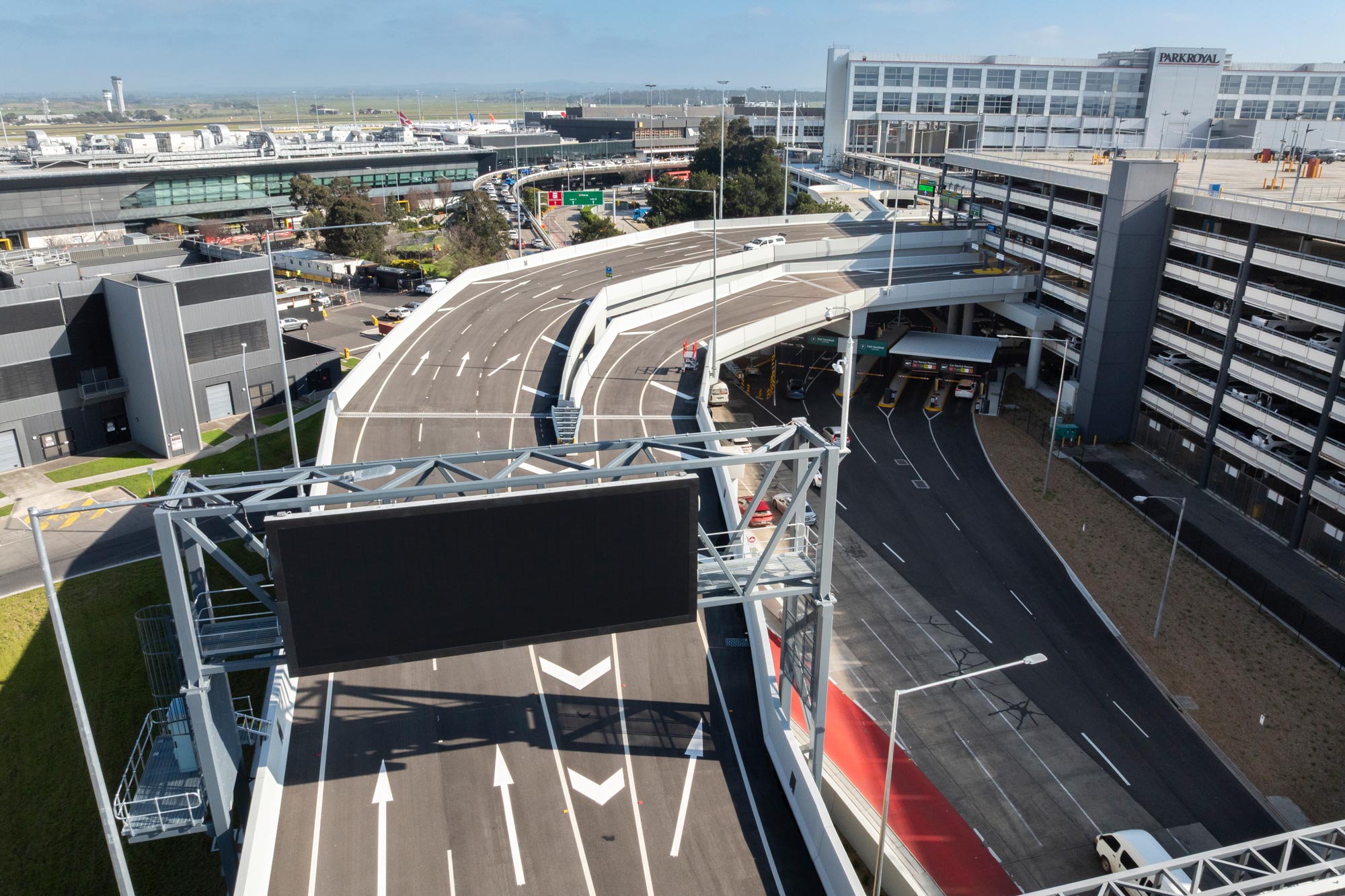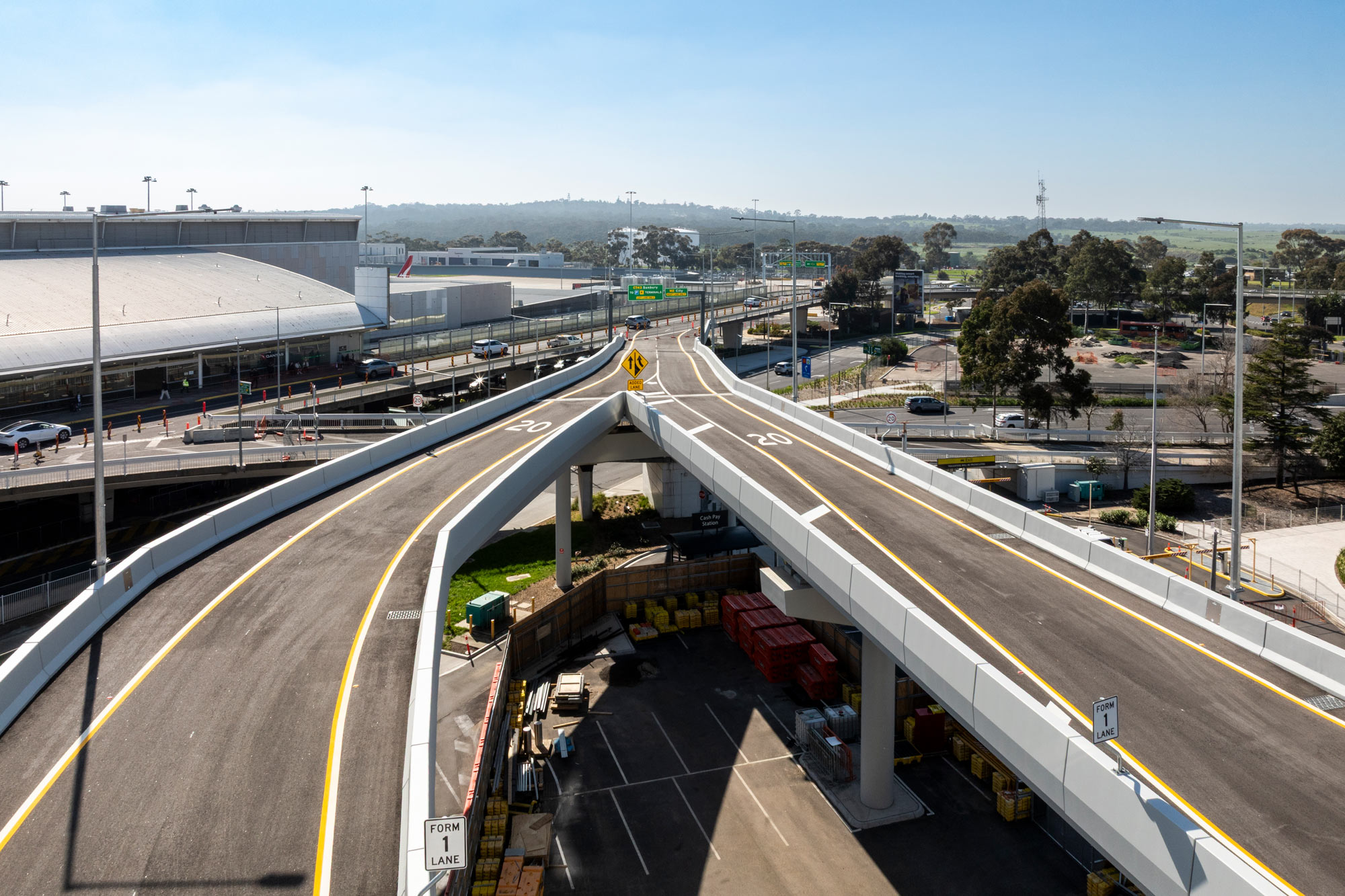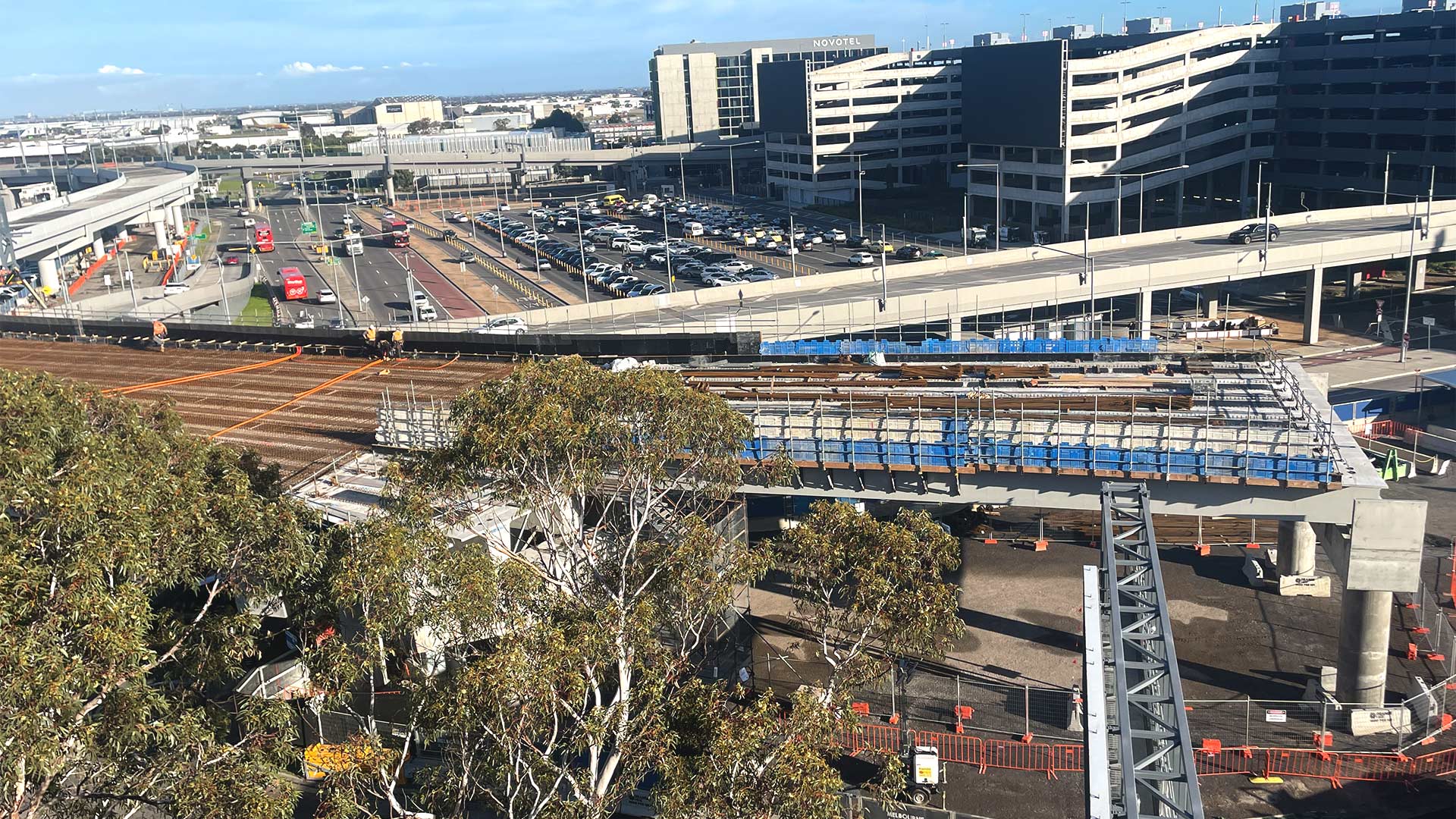

Melbourne Airport - Naarm Way Stage 2 (Civil Package)


From the early pioneers on the Snowy Mountains Hydroelectric Scheme, to our leaders and innovators of today, our people make us who we are.
Through our network of global specialists and by collaborating with local partners, we connect you with the best teams and capabilities to deliver highly innovative and sustainable solutions.
As an organisation we are continually evaluating ways we can better provide a safe, flexible, inclusive and respectful workplace for our people and clients.
People are at the heart of our organisation, we strive to create a flexible, diverse and inclusive environment that enables our people to thrive to their fullest potential.
Explore career opportunities
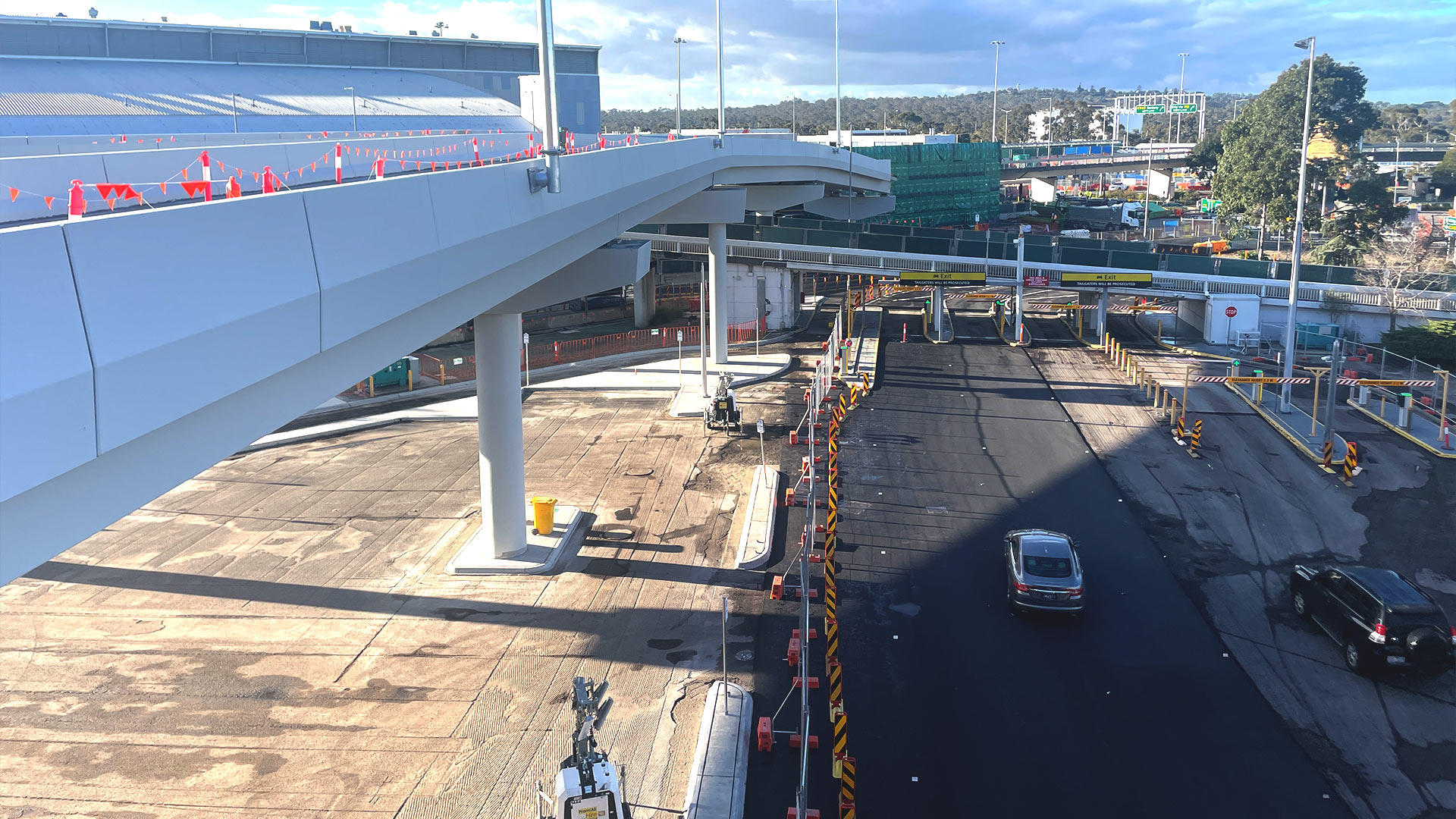
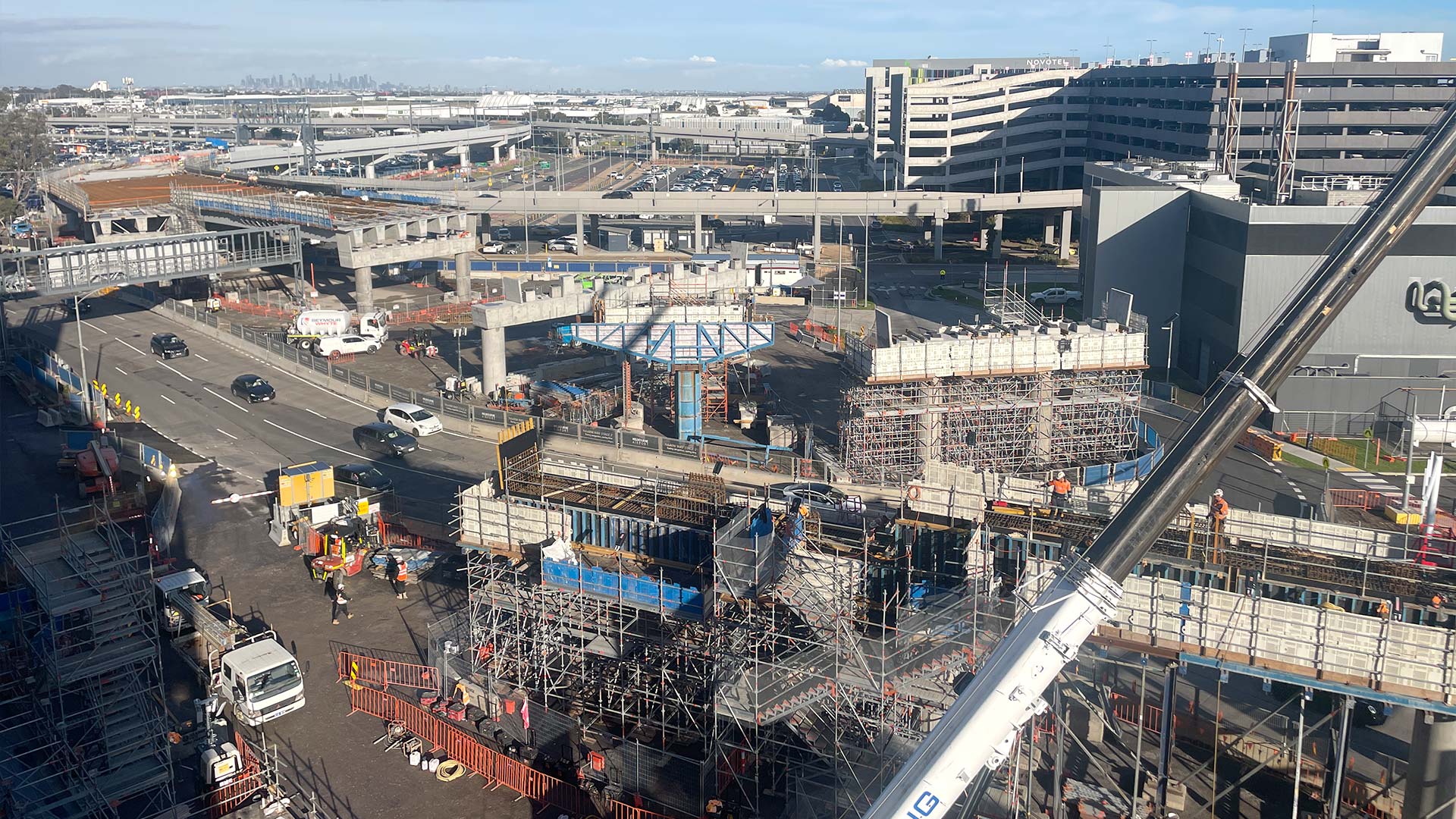
The project required the design and construction teams to work within strict constraints to minimise disruption to airport operations, as Melbourne Airport remained fully operational throughout construction. Close collaboration with Seymour Whyte was essential in developing constructible solutions that accommodated limited working windows and embargo periods during public holidays and peak travel seasons.
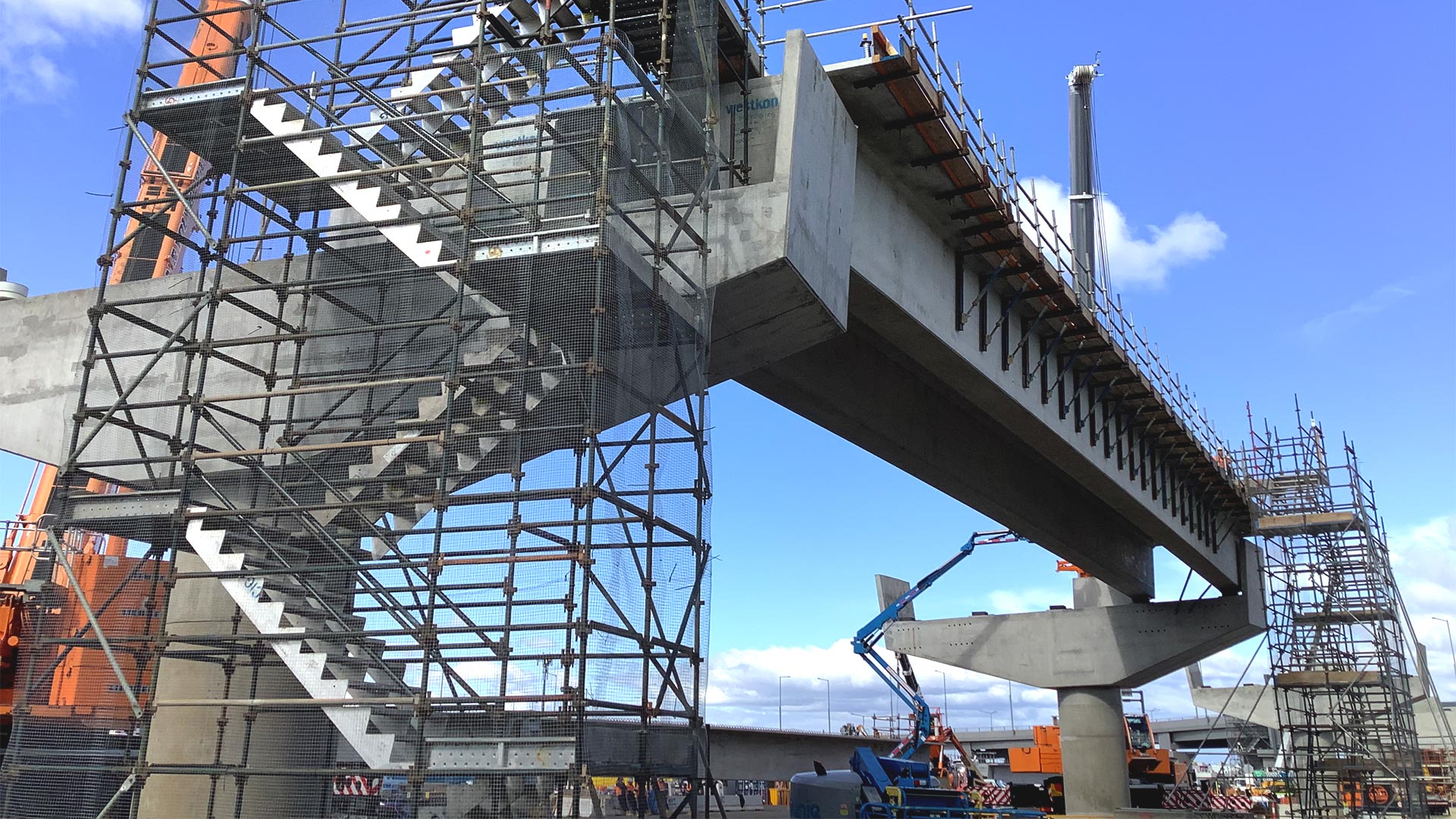
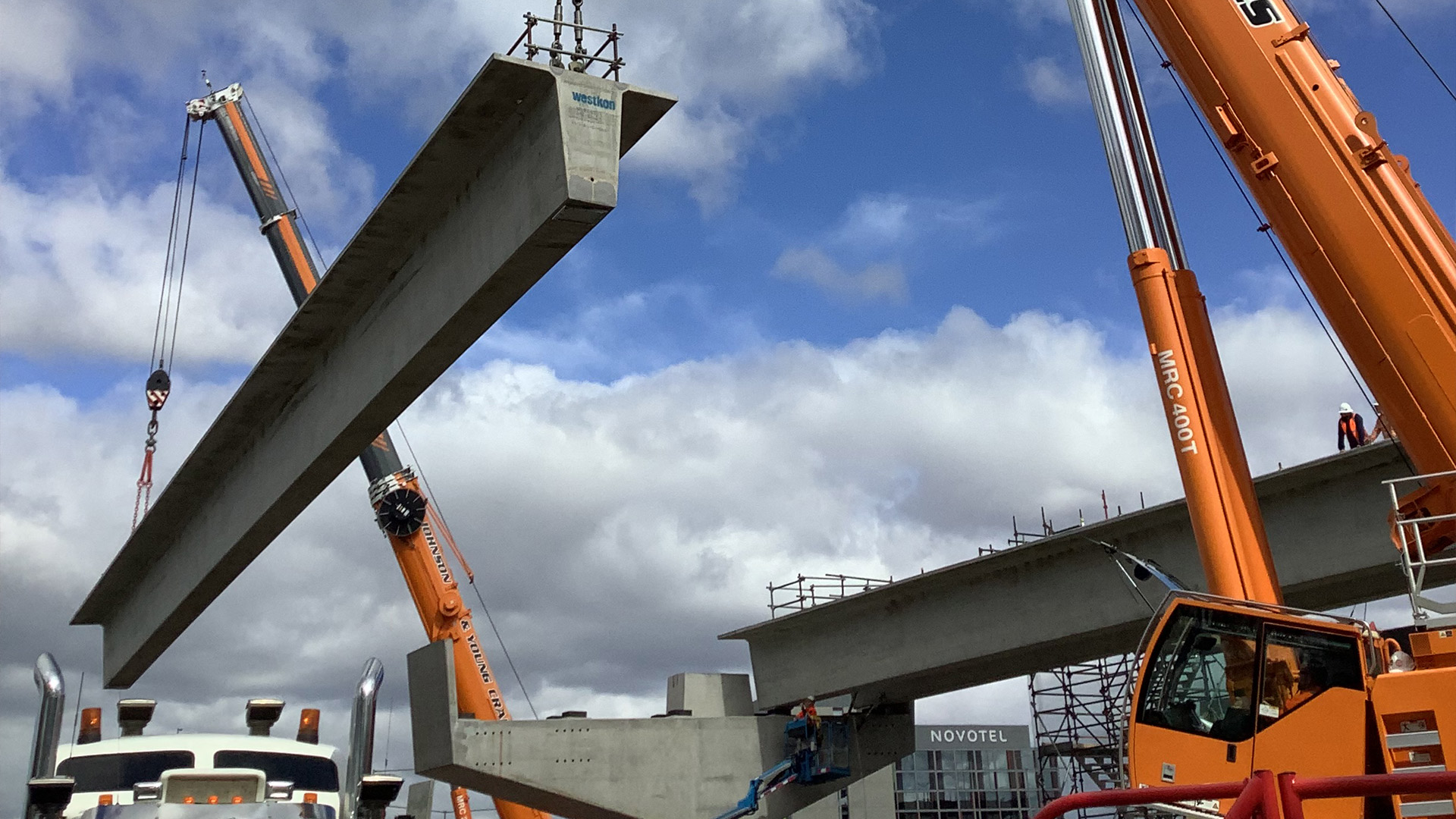
With these requirements as a core foundation, SMEC undertook a detailed review of the reference design to identify key opportunities for value engineering. The team recommended several design optimisations that significantly reduced material requirements during construction. These design refinements included:
SMEC fully integrated the design into a BIM model aligned with Melbourne Airport’s data requirements. Whilst the primary purpose of the BIM model was to digitally represent our final engineered solution, the federated BIM model also served as a key tool for facilitating collaborative and detailed engineering design through the design process and was a valuable tool used to communicate our solution with all major stakeholders. This process enabled the early identification and resolution of design challenges, construction constraints, and operational considerations prior to finalising the design solution.
SMEC’s involvement in Naarm Way Stage 2 reflects our commitment to delivering integrated, future-focused infrastructure solutions that respond to complex urban challenges. By combining deep technical expertise, advanced digital tools and close collaboration with delivery partners, we have helped shape a design that improves traffic flow, enhances safety, and supports Melbourne Airport’s long-term growth.
As passenger volumes continue to rise, the delliver of Naarm Way Stage 2 upgrades marks a major step forward in improving access and efficiency across the airport precinct. SMEC is proud to have contributed to this transformative project, helping to create a smarter, more resilient transport network for one of Australia’s busiest transport gateways.