

Expertise


From the early pioneers on the Snowy Mountains Hydroelectric Scheme, to our leaders and innovators of today, our people make us who we are.
Through our network of global specialists and by collaborating with local partners, we connect you with the best teams and capabilities to deliver highly innovative and sustainable solutions.
As an organisation we are continually evaluating ways we can better provide a safe, flexible, inclusive and respectful workplace for our people and clients.
People are at the heart of our organisation, we strive to create a flexible, diverse and inclusive environment that enables our people to thrive to their fullest potential.
Explore career opportunities
The transport sector faces a convergence of environmental, social, and technological pressures that are reshaping the way infrastructure is planned, designed, and delivered. This raises critical questions: How can we create transport systems that are environmentally responsible, socially inclusive, and economically viable? How do we balance immediate operational needs with long-term sustainability goals?
Exploring these questions highlights the key trends shaping the future of transport.
SMEC’s international portfolio demonstrates how sustainability, circular economy principles, and social impact can be embedded into transport infrastructure. Across global projects, SMEC, an SJ Group company, balances operational efficiency, community benefit, and environmental stewardship through collaboration with governments, industry, and local communities. By embedding circular economy practices, regenerative infrastructure strategies, and resilient design principles, SMEC transforms transport systems into catalysts for positive change, social inclusion, and environmental regeneration, including the examples below:
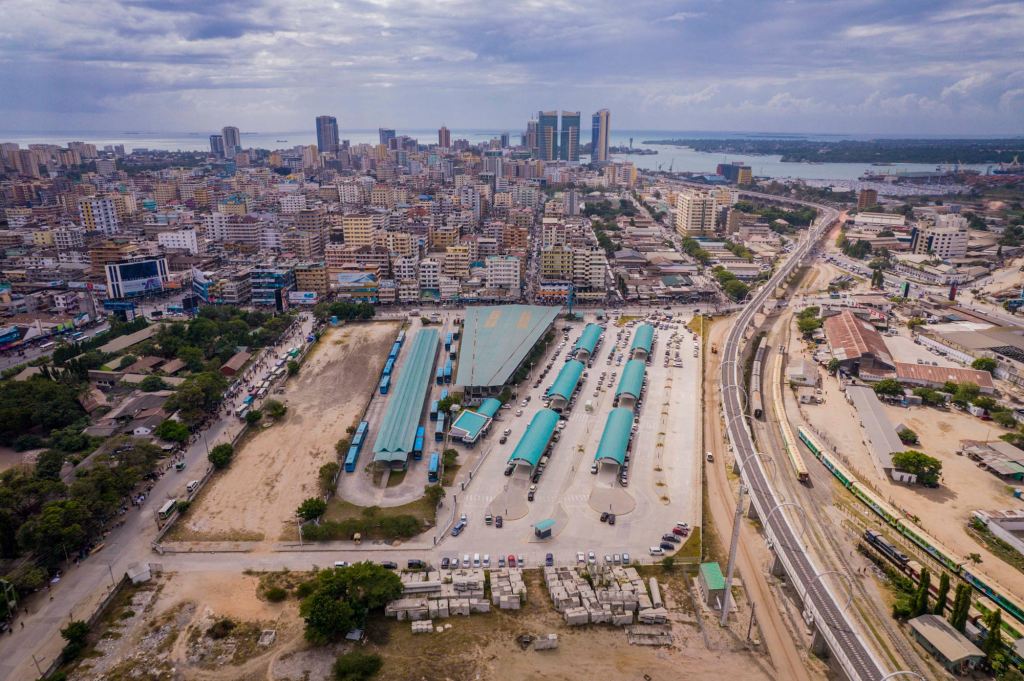
Strengthens sustainable urban mobility by improving accessibility, reducing congestion, and enhancing climate resilience across a 26.4 km corridor. As Project Management and Construction Supervision Consultant for Phase 5, SMEC is overseeing the delivery of 34 bus stations, seven feeder stations, and three terminals, while integrating flood-resilient infrastructure and environmental safeguards. The project exemplifies inclusive, low-carbon transport planning that supports equitable growth in one of Africa’s fastest-urbanising cities.
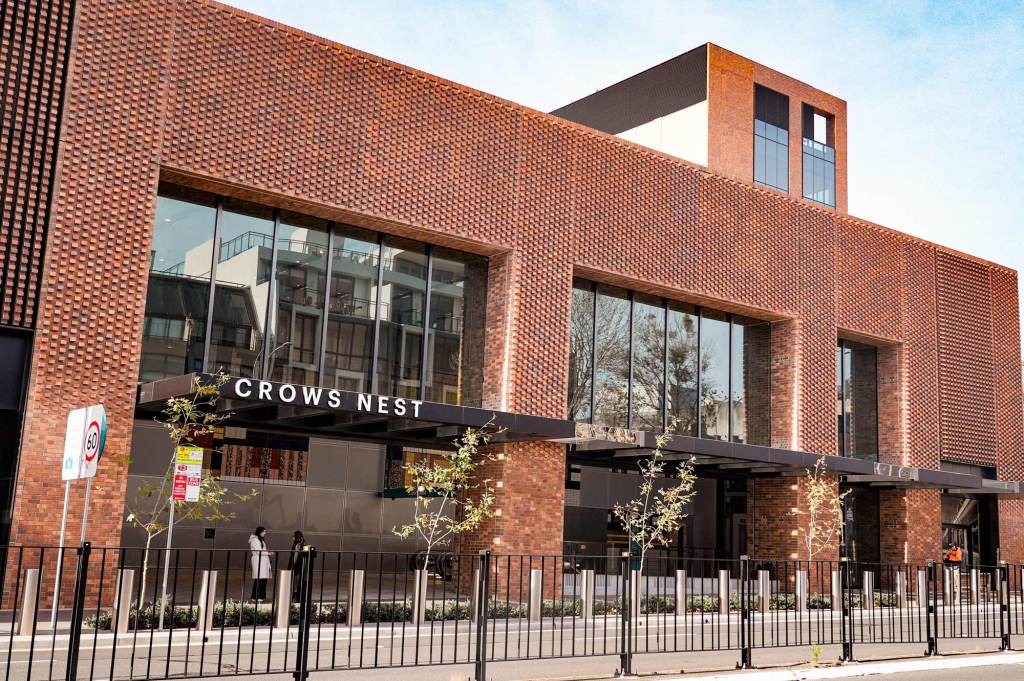
A 6-star Green Building Council design and as-built green star rating reflects the project’s focus on sustainability, with improved passenger flow, accessibility, and operational efficiency shaping a more seamless travel experience. As lead design consultant, SMEC implemented innovative engineering with the use of a pre-cast concrete beam structural solution which allowed for quicker construction times which in turn meant no formwork interference at platform level. This method supported safer delivery, reduced onsite disruption, and contributed to a more efficient program.
Designed to traverse the Msikaba River Gorge within the Pondoland Centre of Endemism, this bridge exemplifies SMEC’s commitment to delivering environmentally responsible and socially inclusive infrastructure. The cable-stayed design minimises physical impact on the landscape, while extensive environmental management measures safeguard one of South Africa’s most biodiverse regions. By creating local employment opportunities, prioritising skills transfer, and sourcing materials regionally, the project promotes both sustainability and shared prosperity. As part of the N2 Wild Coast Road, the bridge enhances connectivity and economic participation for rural communities while advancing long-term climate resilience.

A Bus Rapid Transit corridor providing low-emission, reliable public transport, reducing congestion, and promoting accessible mobility options.
Sustainable transport is not merely a sectoral objective; it is a societal and environmental imperative. As urbanisation accelerates, climate change pressures intensify, and mobility demands evolve, our infrastructure strategies must be guided by a long-term vision. The decisions we make today in the design, construction, and operation of infrastructure will define climate outcomes, social equity, and economic growth for generations. By embracing circular economy principles, regenerative design, digital innovation, and inclusivity at every stage, we can deliver transport networks that are resilient, efficient, and equitable systems that serve people, protect the planet, and safeguard the world we share.