

Sylhet–Chhatak Bazar Meter-Gauge Railway Line


From the early pioneers on the Snowy Mountains Hydroelectric Scheme, to our leaders and innovators of today, our people make us who we are.
Through our network of global specialists and by collaborating with local partners, we connect you with the best teams and capabilities to deliver highly innovative and sustainable solutions.
As an organisation we are continually evaluating ways we can better provide a safe, flexible, inclusive and respectful workplace for our people and clients.
People are at the heart of our organisation, we strive to create a flexible, diverse and inclusive environment that enables our people to thrive to their fullest potential.
Explore career opportunities
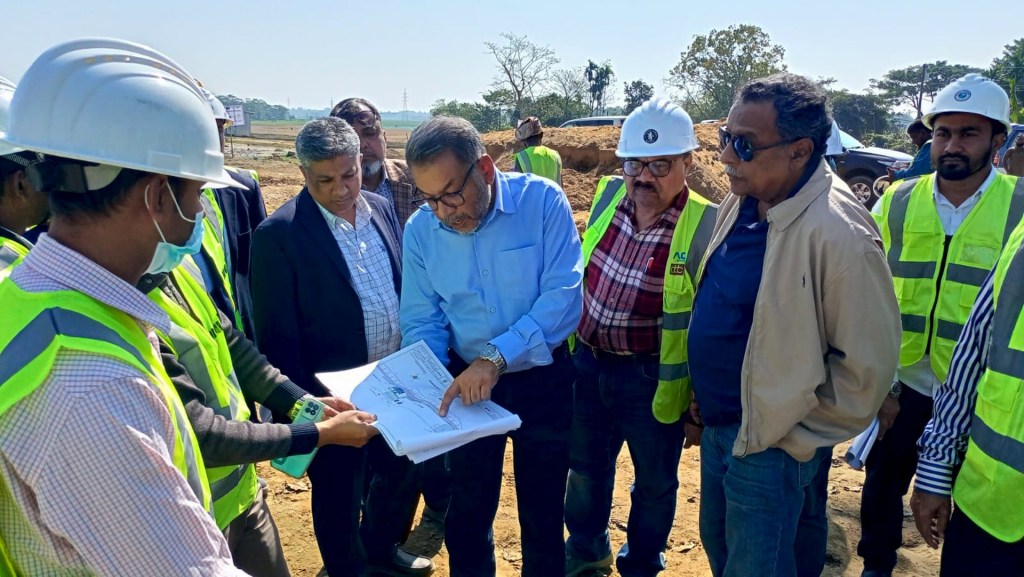
Bangladesh Railway is progressing the Asian Development Bank (ADB) funded rehabilitation of the Sylhet–Chhatak Bazar rail section, with the objective of restoring safe reliable rail services and strengthening regional connectivity. The project is being delivered in alignment with ADB safeguard frameworks, integrating environmental, social and climate resilience requirements into rehabilitation planning and construction supervision.
Through the DCC and ACW Consultants Joint Venture, ACE Consultants (a SMEC subsidiary), is providing construction supervision services for the project. The team is working closely with Bangladesh Railway, the contractor and project stakeholders to support the delivery of rehabilitation works.
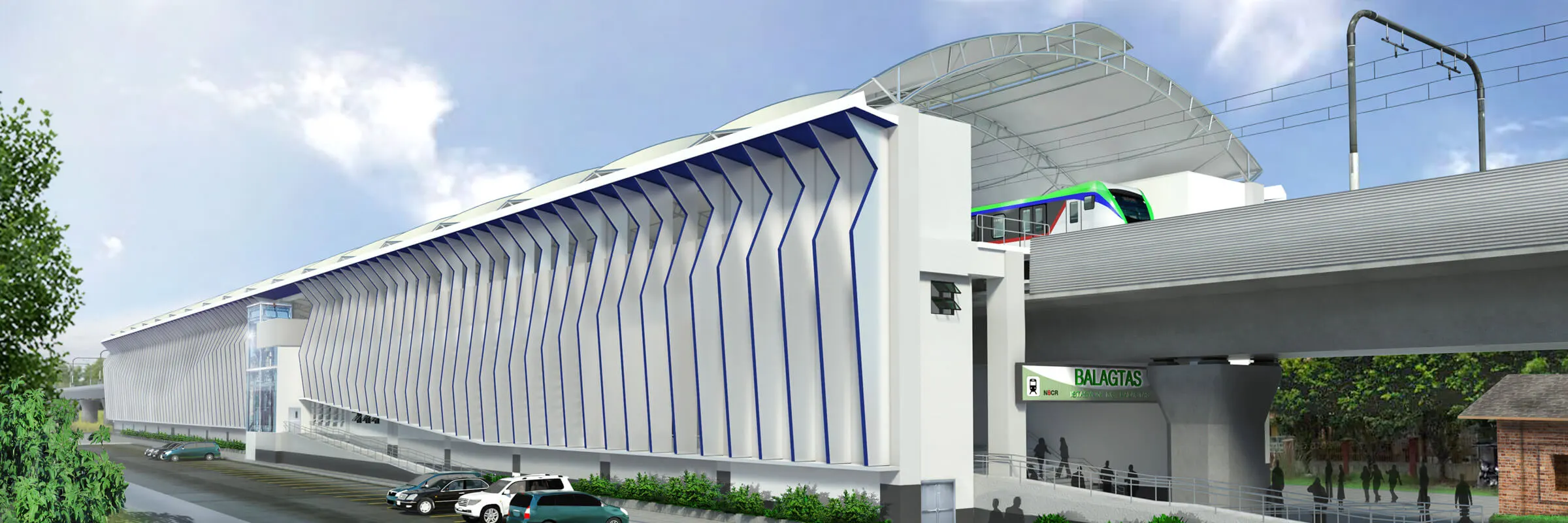
The scope includes supervision and quality assurance across the 34 km alignment, covering earthworks, track bed restoration, ballast works, sleeper renewal, three station buildings construction with all amenities and associated civil works. Rehabilitation works also involve complex embankment reinstatement and track recovery in flood-affected terrain, requiring careful management of geotechnical stability, drainage conditions and alignment integrity in a climate-vulnerable corridor.
The project incorporates climate resilience considerations in response to recurring monsoon flooding in northeastern Bangladesh. The rehabilitation approach therefore focuses not only on restoring infrastructure, but also on strengthening long-term durability under extreme weather conditions.
The team is also supporting implementation of the Resettlement Action Plan, helping ensure land acquisition and social safeguards are managed in accordance with ADB’s requirements and international best practice.
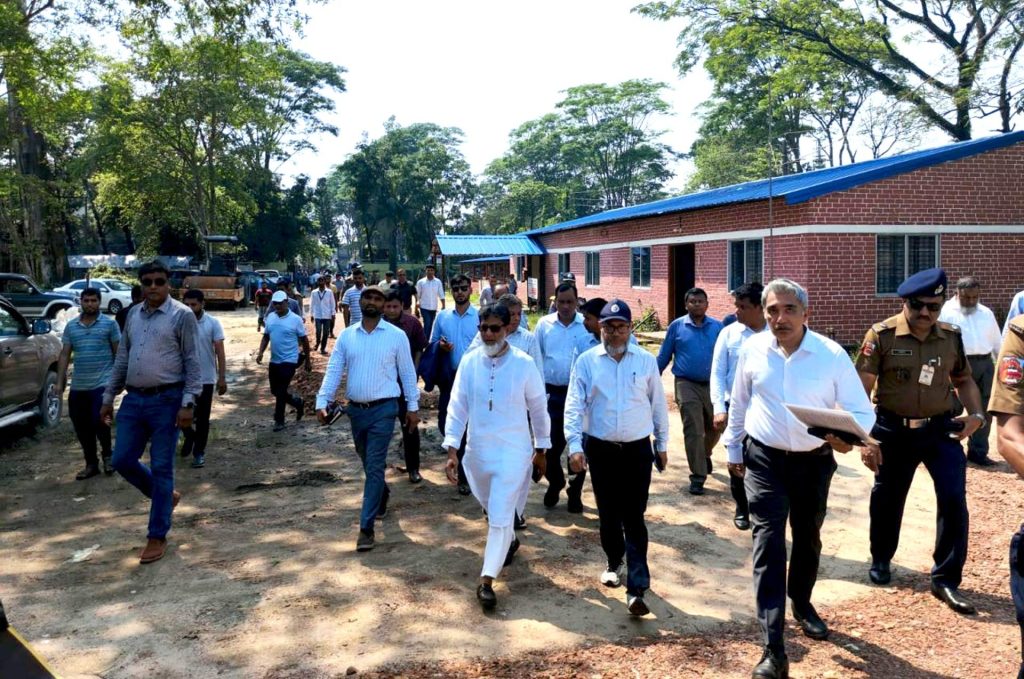
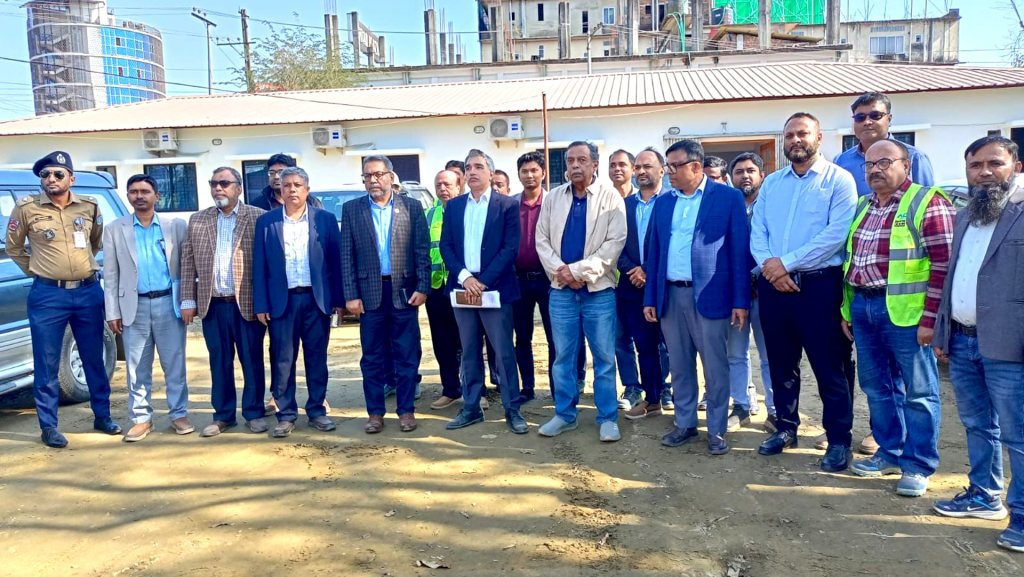
The importance of the project was reinforced during a progress review meeting held at the project office at Sylhet Railway Station in May 2026, attended by the Honourable State Minister of Bangladesh Railway, Habibur Rahman Rashid. The meeting brought together officials from Bangladesh Railway, ACE Consultants Ltd., Joint Venture partners and contractor teams to review project progress, current activities and upcoming works.
As rehabilitation works continue toward the targeted completion in August 2026, the restored Sylhet–Chhatak Bazar line will re-establish a critical regional transport connection, improving access to affordable passenger services and supporting the movement of key industrial materials across northeastern Bangladesh. Beyond restoring physical infrastructure, the project strengthens climate resilience in a flood-prone corridor, improves supply chain reliability and reduces pressure on road-based freight transport.
For Bangladesh Railway and the communities that depend on the line, the project represents an important step in rebuilding a more resilient, efficient and connected transport network that supports both regional development and long-term national growth.