

Expertise


From the early pioneers on the Snowy Mountains Hydroelectric Scheme, to our leaders and innovators of today, our people make us who we are.
Through our network of global specialists and by collaborating with local partners, we connect you with the best teams and capabilities to deliver highly innovative and sustainable solutions.
As an organisation we are continually evaluating ways we can better provide a safe, flexible, inclusive and respectful workplace for our people and clients.
People are at the heart of our organisation, we strive to create a flexible, diverse and inclusive environment that enables our people to thrive to their fullest potential.
Explore career opportunities
Feedstocks including agricultural residues, food waste, animal waste, brewery by products, slaughterhouse residues, and industrial effluents can be processed through anaerobic digestion to produce biogas, which can then be upgraded to biomethane or used directly for power generation.
Successful deployment depends on understanding the full process chain, from feedstock reception, contaminant removal, size reduction, slurry preparation, and hygienisation through to controlled digestion under mesophilic or thermophilic conditions, biogas conditioning, carbon dioxide removal, biomethane upgrading, and digestate post treatment.
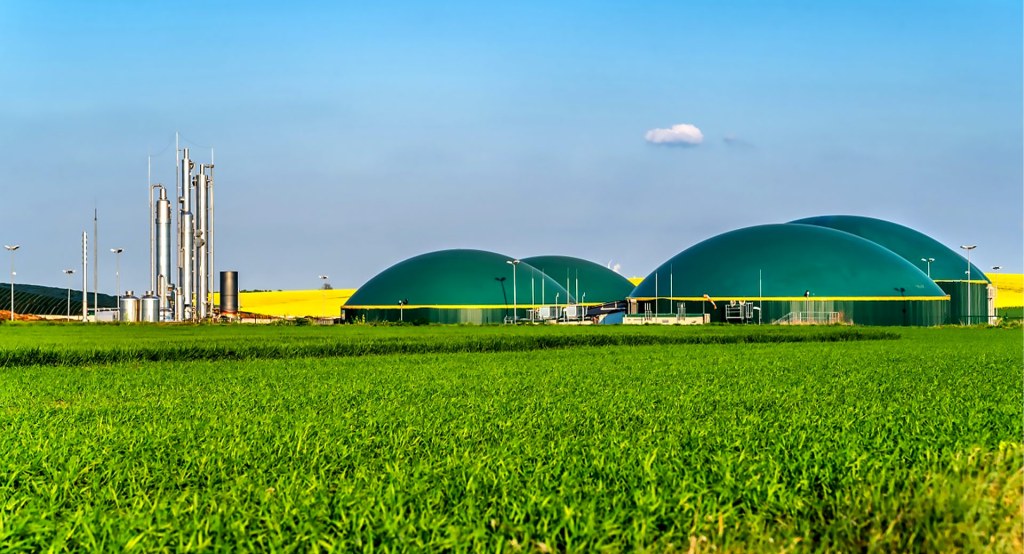 Biogas plant
A key technical insight is that anaerobic digestion performance is highly dependent on feedstock characteristics, solids content, organic loading rate, retention time, and the degree of variability in the incoming waste stream. Technology selection is therefore critical.
CSTR systems provide the greatest flexibility for mixed and heterogeneous feedstocks and are the most established option for agricultural and animal waste applications, while plug flow digesters are better suited to high solids, more homogeneous fibrous feedstocks, UASB systems are most effective for liquid effluents with high soluble organic loading, and dry fermentation is best aligned to high solids waste streams where low water use is a priority.
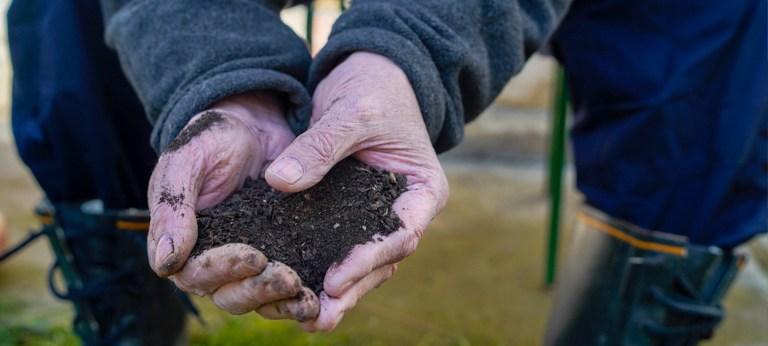
Pretreatment and digestate management are also not secondary considerations, but central design elements that influence process stability, methane yield, regulatory compliance, nutrient recovery, and downstream environmental risk.
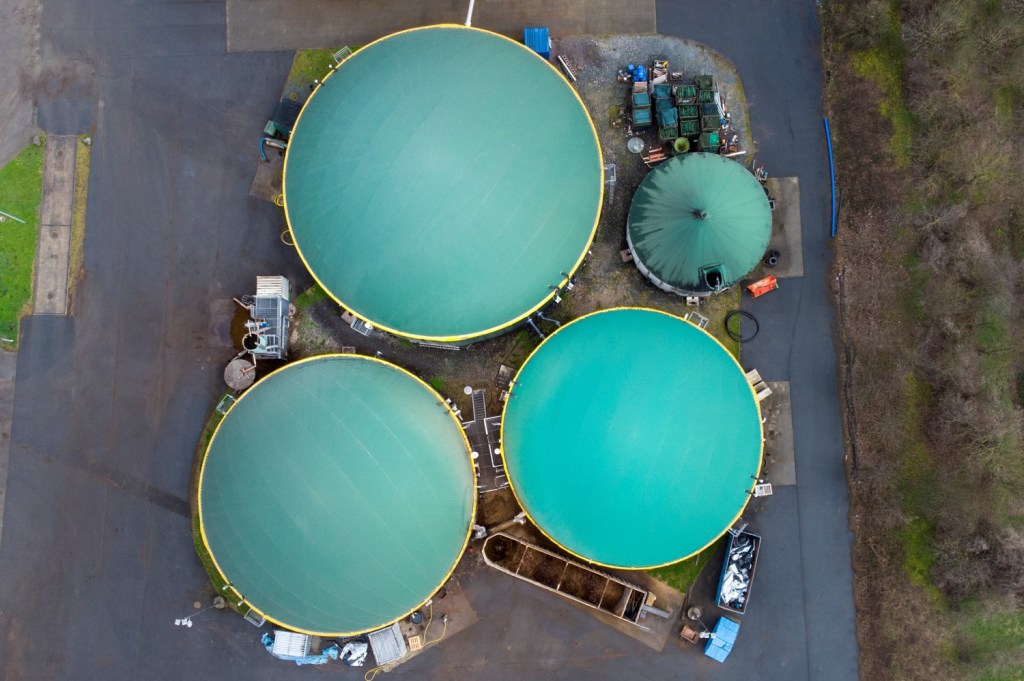 Biogas plant
Where biogas is used for power generation, the combination of methane capture and fossil fuel displacement can deliver strong greenhouse gas abatement, particularly when combined heat and power is applied.
Overall, the key message is that biomethane and biogas projects are most effective when developed as integrated systems in which feedstock strategy, digestion technology, gas utilisation pathway, and post treatment requirements are aligned to deliver technically robust and commercially viable renewable energy outcomes.
Download our thought leadership deep dive to find out more.
The market for methane generation from sustainable sources is mature, yet the biomethane sector remains in a formative stage that presents both significant challenges and transformative opportunities, especially for pioneering players willing to lead infrastructure development and market creation.