

Expertise


From the early pioneers on the Snowy Mountains Hydroelectric Scheme, to our leaders and innovators of today, our people make us who we are.
Through our network of global specialists and by collaborating with local partners, we connect you with the best teams and capabilities to deliver highly innovative and sustainable solutions.
As an organisation we are continually evaluating ways we can better provide a safe, flexible, inclusive and respectful workplace for our people and clients.
People are at the heart of our organisation, we strive to create a flexible, diverse and inclusive environment that enables our people to thrive to their fullest potential.
Explore career opportunities
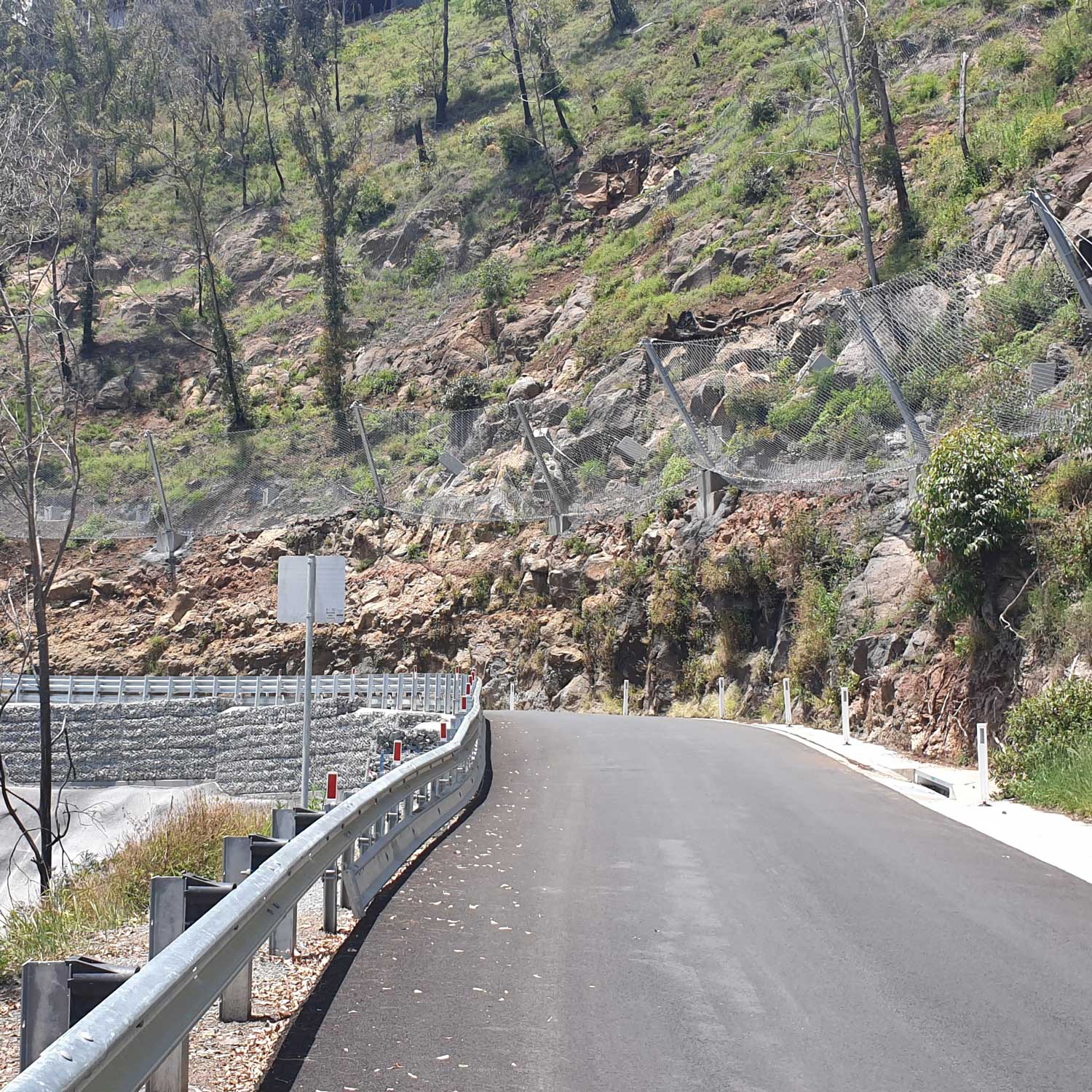
As fire events place growing pressure on infrastructure systems, engineers are being challenged to design for more extreme conditions. This article explores how fire resilience is being embedded into infrastructure design to reduce damage, accelerate recovery and support safer, more resilient networks.
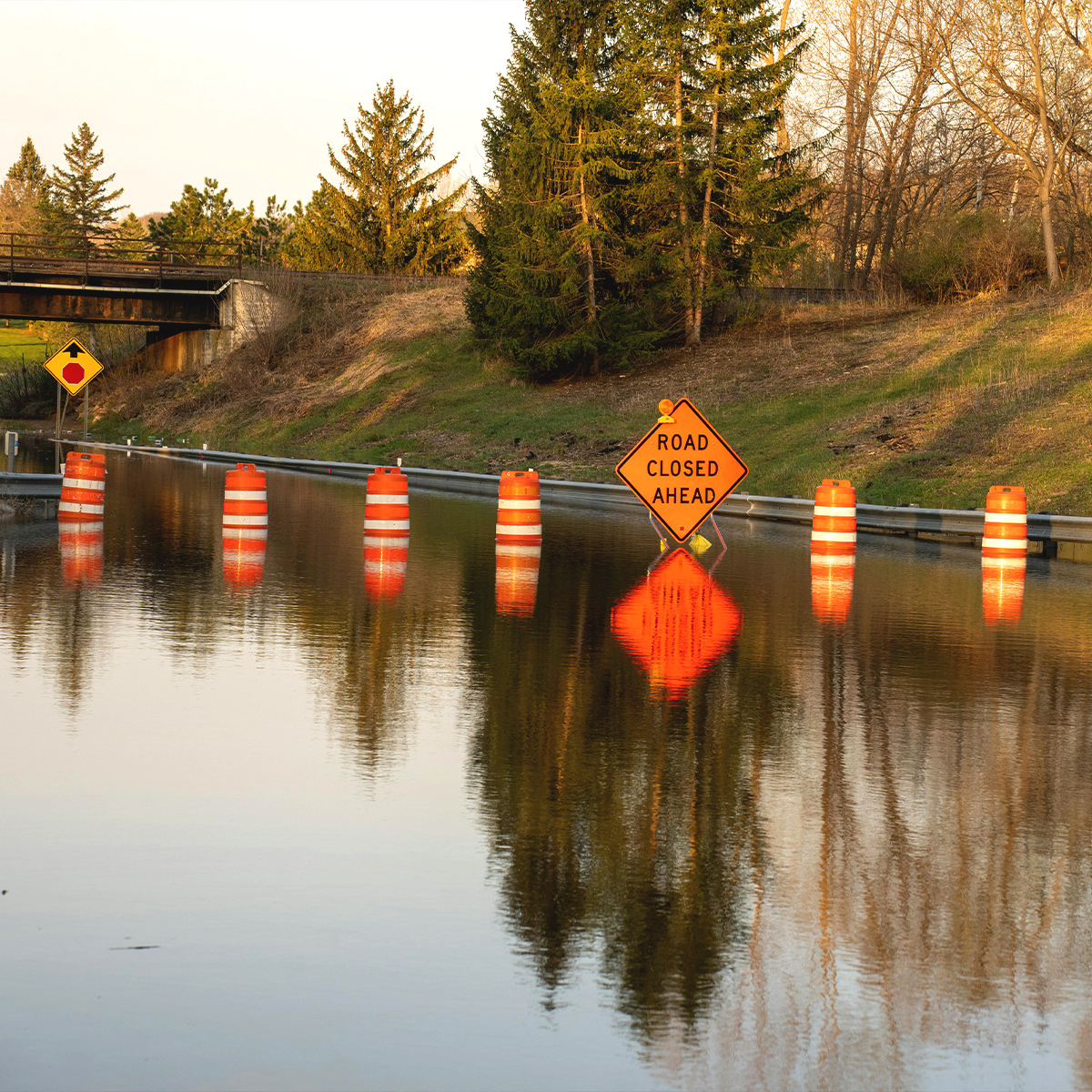
As water systems become more volatile, critical assets are facing heightened operational and safety pressures. This article explores how engineers use predictive modelling, risk informed design and adaptive planning to deliver infrastructure that performs reliably and supports faster recovery.
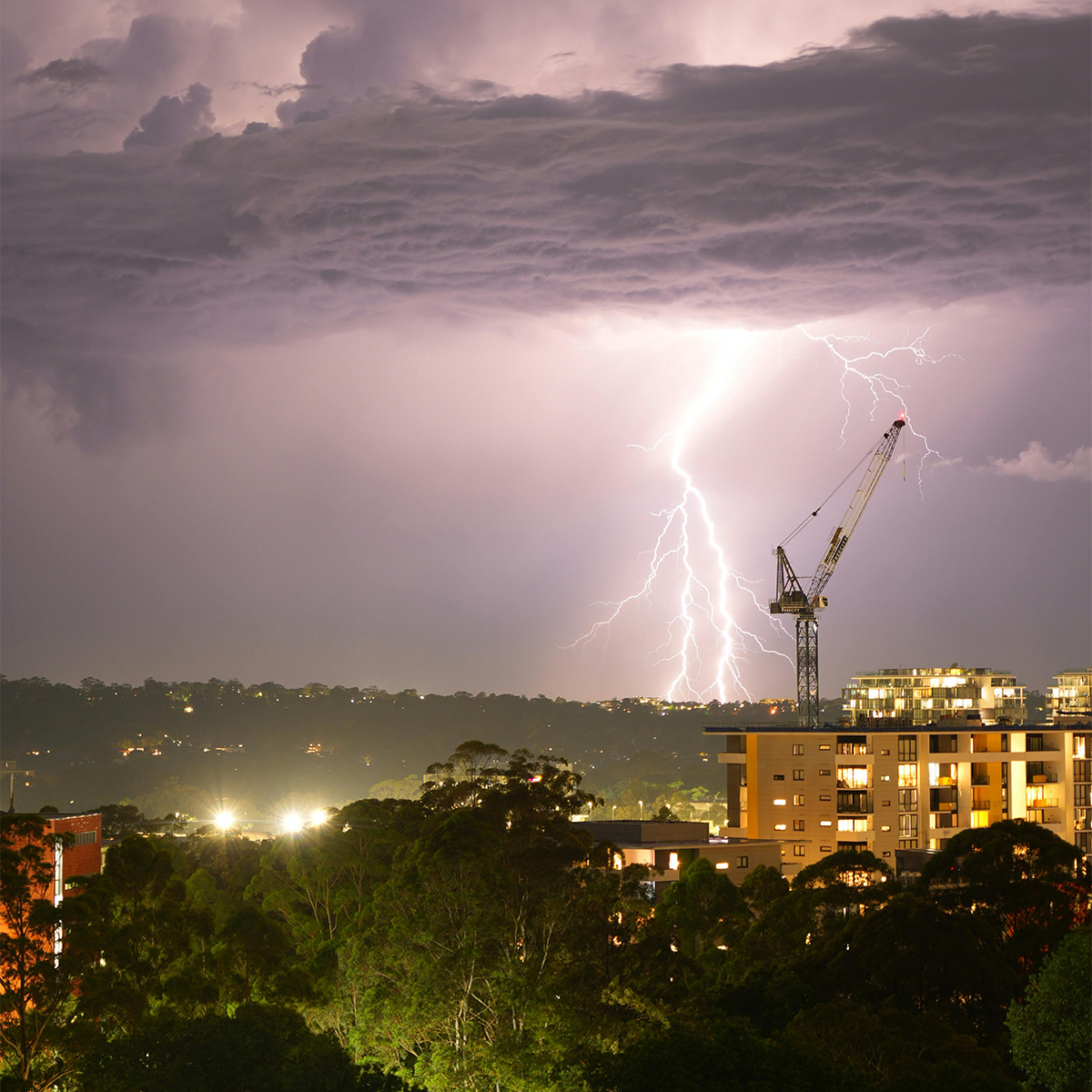
As extreme wind events place increasing strain on essential transport, energy and communications networks, maintaining operational continuity has become critical. This article explores how wind resilient engineering, predictive analytics and climate modelling are being applied to reduce risk and support more resilient communities.