
Cressbrook Dam Safety Improvement Project, Australia


From the early pioneers on the Snowy Mountains Hydroelectric Scheme, to our leaders and innovators of today, our people make us who we are.
Through our network of global specialists and by collaborating with local partners, we connect you with the best teams and capabilities to deliver highly innovative and sustainable solutions.
As an organisation we are continually evaluating ways we can better provide a safe, flexible, inclusive and respectful workplace for our people and clients.
People are at the heart of our organisation, we strive to create a flexible, diverse and inclusive environment that enables our people to thrive to their fullest potential.
Explore career opportunities
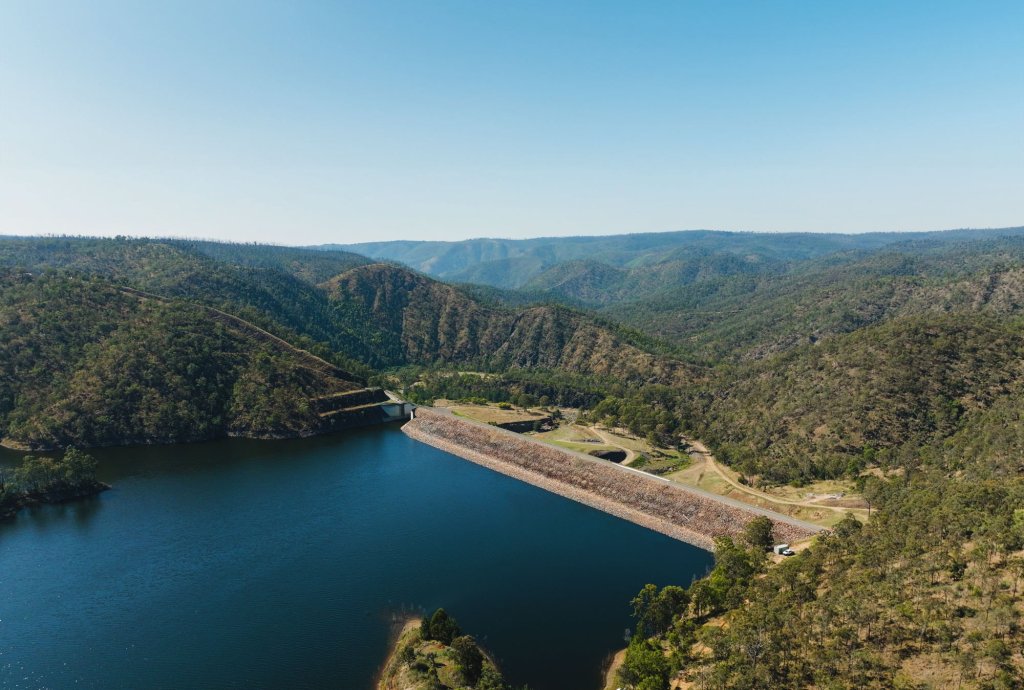
The engineering challenge was to design and deliver significant structural improvements while ensuring a safe and reliable water supply to the Toowoomba Region throughout construction.
Dam safety is at the forefront of every design decision. As part of the alliance team, SMEC led the detailed design and managed the project’s key risks. Dam safety risk assessments identified the need to improve the Dam’s flood capacity and reduce risk in accordance with Queensland’s Dam safety requirements. This was achieved by completing complex flood and consequence modelling, regional cascade analyses, and detailed societal concerns surveys to define the risk profile of the Dam and establish the design criteria for the safety upgrade. Evolving technical information and site conditions added further complexity, requiring a highly collaborative and rigorous engineering approach.
The achieved design will strengthen water security and operational resilience, ensuring the long-term safety, reliability and performance of this critical water supply asset.
Beyond the technical scope and the engineering complexity, the project has a strong community focus, with an emphasis on ensuring the project has meaningful social, environmental, and sustainability outcomes. Balancing reservoir levels, water supply security, ecosystem impacts, and the needs of local communities will be essential during the construction phase.
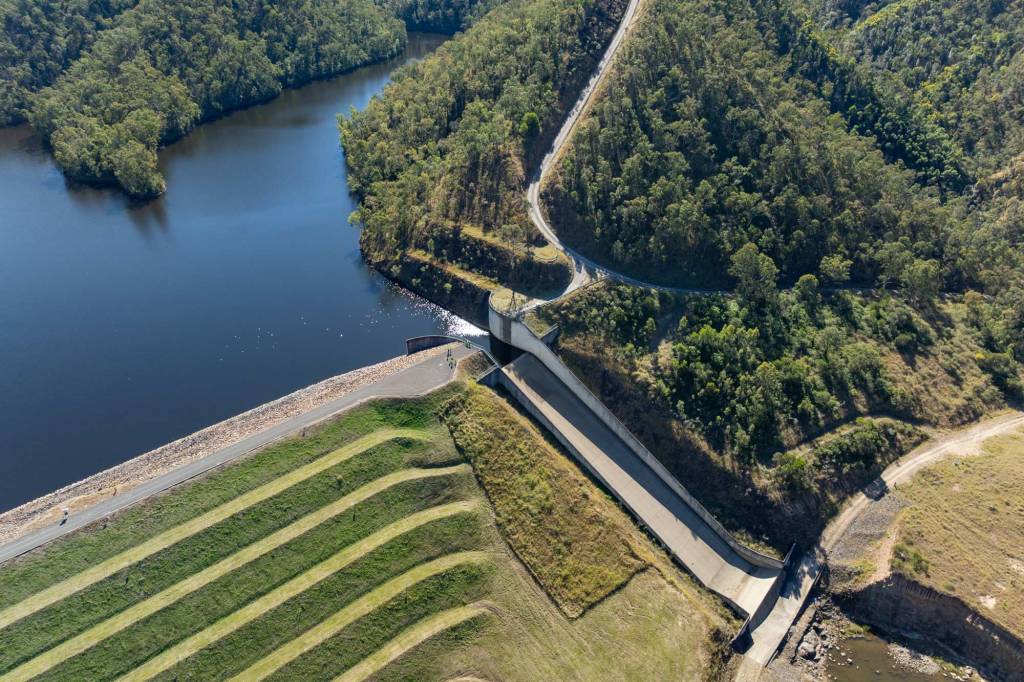
Geotechnical investigations were undertaken to reduce uncertainty and establish a robust design basis. Targeted field investigations provided critical information on embankment materials and foundation conditions, reducing uncertainty and informing the Dam Safety risk assessment. A key component of the programme was a large test pit within the embankment, which provided valuable insights into the embankment’s composition and behaviour. Laboratory testing further characterised material strength, permeability and deformation behaviour, resulting in refining the detailed design.
To support the development and delivery of the detailed design, the Alliance adopted an integrated digital engineering approach using both 3D and 4D models to support construction planning. The models provided a shared visual platform for understanding complex geological conditions, validating design solutions, and optimising construction methodologies. They were instrumental in identifying and resolving potential clashes, refining excavation, construction sequencing, and assessing constructability risks before works commenced.
The digital environment also enhanced collaboration across the Alliance, supporting Safety in Design (SiD) workshops, design reviews, and stakeholder engagement. By providing clear visualisation of the proposed works and construction staging, the models enabled more informed decision-making and improved alignment between the Alliance and stakeholders.
While safety is a key driver of the project, the team has also integrated circular design principles and a strong commitment to environmental stewardship. To ensure these sustainability objectives translate into tangible outcomes, the team established specific sustainability KPIs to measure progress throughout the project. Key initiatives include:
Recognising that dam safety decisions extend beyond technical considerations, SMEC developed a comprehensive Societal Concerns Survey as part of the detailed dam safety risk assessment process. Through structured engagement with stakeholders and the community, the survey captured perspectives on public safety, water security, environmental values, cultural heritage, and broader community expectations. These insights informed the risk assessment and helped ensure that community values were also considered.
The Alliance also fostered a strong and ongoing relationship with the Western Wakka Wakka People. A cultural awareness session and regular engagements continue to provide valuable opportunities for the project team to better understand local cultural values and perspectives. This collaborative approach strengthened mutual trust and respect, while ensuring cultural heritage considerations were thoughtfully incorporated into the project.
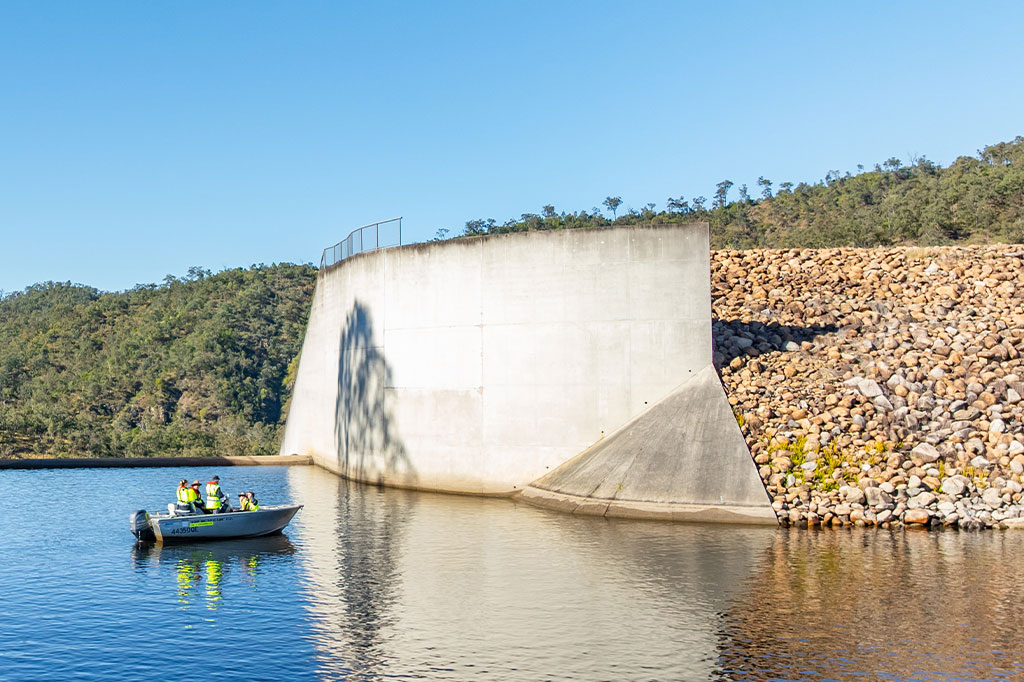
The project continues to demonstrate how engineering excellence and collaboration can deliver lasting outcomes for communities and critical infrastructure. At SMEC, we believe in engineering with purpose, protecting communities, preserving nature, and creating a safer and stronger future.
If you’re curious about the CDSIP site, view our progress via the updated interactive site map and discover the true size and scale of the project.