

Expertise


From the early pioneers on the Snowy Mountains Hydroelectric Scheme, to our leaders and innovators of today, our people make us who we are.
Through our network of global specialists and by collaborating with local partners, we connect you with the best teams and capabilities to deliver highly innovative and sustainable solutions.
As an organisation we are continually evaluating ways we can better provide a safe, flexible, inclusive and respectful workplace for our people and clients.
People are at the heart of our organisation, we strive to create a flexible, diverse and inclusive environment that enables our people to thrive to their fullest potential.
Explore career opportunities
In India, the National Rail Plan aims to raise the rail sector’s freight market share from 27% to 45% by 2030 (Ministry of Railways, 2021). Such modal shifts are essential to reducing congestion and cutting transport emissions. Similarly, Europe’s Trans-European Transport Network (TEN-T) seeks to move both passenger and freight transport from road to rail, supported by policy and funding that prioritise decarbonisation and cross-border connectivity (European Commission, n.d.).
Australia’s National Rail Procurement and Manufacturing Strategy mirrors this global trend, aligning rail procurement with emissions targets, supply chain resilience, and local industry development through coordinated, long-term planning (Office of National Rail Industry Coordination, 2023)
Still, road transport continues to dominate. Data from the Organisation for Economic Co-operation and Development (OECD) and the International Transport Forum (ITF) show that in most countries, less than half of inland transport budgets are allocated to rail (ITF-OECD, 2023).
Asia and the Middle East are investing in large-scale programs with broader regional objectives. China leads globally in high-speed rail, operating over 45,000 km of tracks and continuing to invest billions annually under its Belt and Road Initiative (Ashtari et al., 2017; ITF-OECD, 2023).
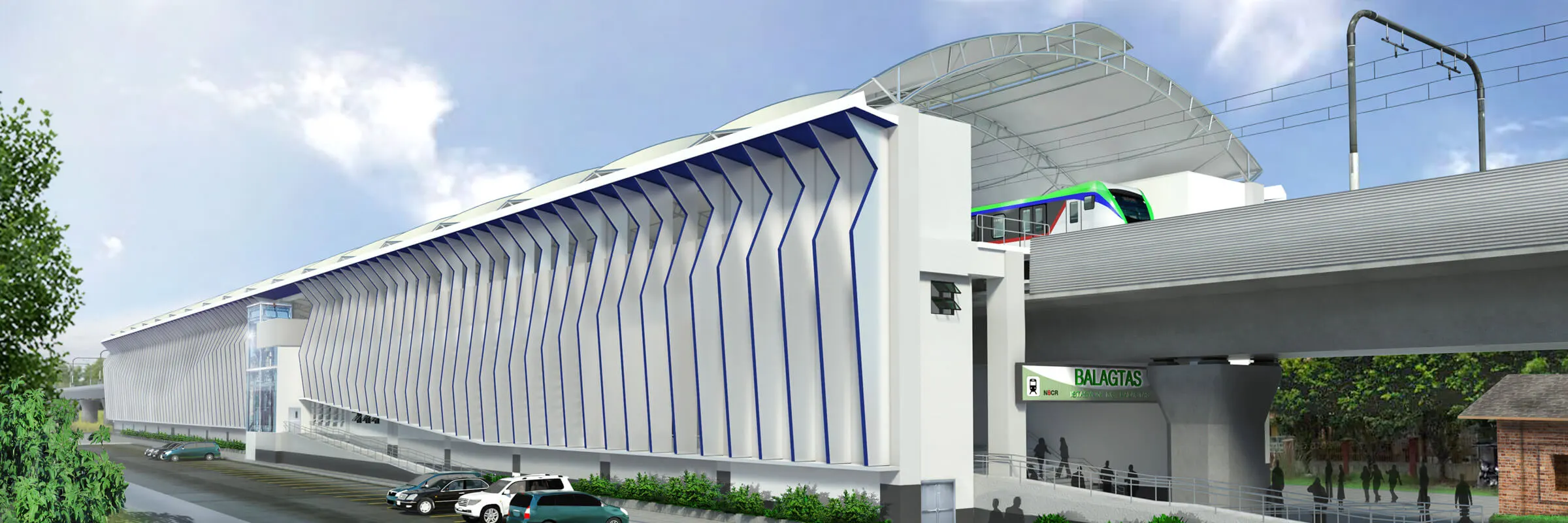
In India is fast-tracking freight corridors and electrification projects to reduce road reliance and support its economic zones. As part of this transformation, SJ Group is contributing to corridor development and electrification projects that enhance freight efficiency and decarbonisation efforts. A key example is the electrification of the Hospet–Hubli–Tinaighat section in Karnataka India, a critical link for transporting iron ore to major ports that strengthens logistics for steel and energy sectors while promoting sustainable regional growth.
 Railway Electrification of Hospet-Hubli-Tinaighat, Karnataka, India
In the Gulf region, Etihad Rail Phase 2 is connecting ports, logistics hubs, and city centres across the United Arab Emirates (UAE), with plans to extend into neighbouring countries. Beyond transport infrastructure, these projects reflect national strategies to diversify economies and reduce carbon emissions.
Delivering this requires global experience combined with deep regional and industry-specific knowledge.
Mega projects and innovative solutions are transforming rail and metro infrastructure across the Middle East, accelerating delivery, expanding connectivity, and supporting sustainable urban mobility. Rail investment in the region has experienced its strongest growth since the Dubai Metro launch in 2009. Projects like Etihad Rail Phase 2 are starting to come into operation and exemplify a clear government push to enhance regional connectivity, shift freight from road to rail, relieve congestion in cities, and establish the foundation for long-term economic transformation.
National visions like Saudi Vision 2030 and the UAE Centennial 2071, where integrated transport is central to diversification agendas, are driving this momentum. The scale and speed of delivery here are unlike anywhere else.
That pace is driving demand for high-performance rail systems and drawing comparisons to China’s rapid high-speed rail expansion (ITF-OECD, 2023).
However, there are region-specific challenges. Extreme temperatures over 45°C, flash floods, and sand intrusion require robust, climate-specific designs. Imported systems often need localisation to suit terrain, weather, and operating conditions. At the same time, clients in the region are becoming more mature in their expectations, shifting focus from infrastructure delivery to optimising performance. This involves integrating global best practices, digital technologies, and cost-efficient delivery from day one.
SJ Group is at the forefront of this transformation. Our value engineering suggestions on Etihad Rail Phase 2, helped reduce costs and improved constructability. In Saudi Arabia, smarter depot planning using block maintenance delivered a 30% capital saving. In Abu Dhabi, we are exploring future mobility solutions through Urban Loop, integrating autonomous pods and next generation planning tools and on the Etihad Rail Abu-Dhabi to Dubai High Speed Rail stretch we are working with Contractor.

With design, engineering, and advisory teams based in Riyadh, Dubai and 46 other countries across the world, we combine global expertise and local delivery. In a region where speed, innovation and precision are expected, this capability is proving critical to successfully shaping the future of rail.
Modern railways are far more than tracks and trains. They are intricate, integrated systems where safety, performance, and reliability depend on seamless coordination across every component. Growing demand, sustainability goals and urban mobility challenges and driving rail networks worldwide to rapidly evolve. That’s why adopting a holistic system approach from the start is essential.
Increasingly, there’s a strong focus on predictive maintenance, real-time monitoring, and digital asset management to optimise performance and reduce downtime. At the same time, operational needs such as capacity planning, timetable adherence, and safety management, must be closely aligned with technical design to keep networks running efficiently under changing loads and conditions. These trends show how the shift from isolated projects to holistic system planning is redefining how major rail programs are designed and delivered.
To support this shift, SJ Group follows a five-pillar assurance framework covering:
This helps identify risks early and enables confident decision-making throughout the project’s lifecycle. For example, in a Southeast Asian railway project, the team used this approach to deliver a Plant Management and Control System (PMCS). They translated stakeholders’ needs into clear system requirements, designed communication interfaces and controllers, and carefully balanced trade-offs to enhance operability and maintenance.
In another project, the team conducted a detailed RAMS assessment of a control system by applying Failure Modes and Effects Analysis to map potential component failures, followed by Fault Tree Analysis of the fire protection system to identify root causes and mitigation measures. These steps ensured the system would perform reliably in real-world conditions.
Assurance goes beyond just technical systems. Dr. Jason Nguyen, Chief Technical Principal – Rail Systems and Safety Assurance, highlights that considering user experience and diverse factors like age, gender, and job roles is essential to overall performance.
Building on this human-centred approach, digital technologies now underpin every stage of the rail lifecycle, from real-time performance monitoring to asset maintenance and predictive simulation. However, effective use of these tools requires early integration to improve planning, reduce duplication, and accelerate readiness for operation.
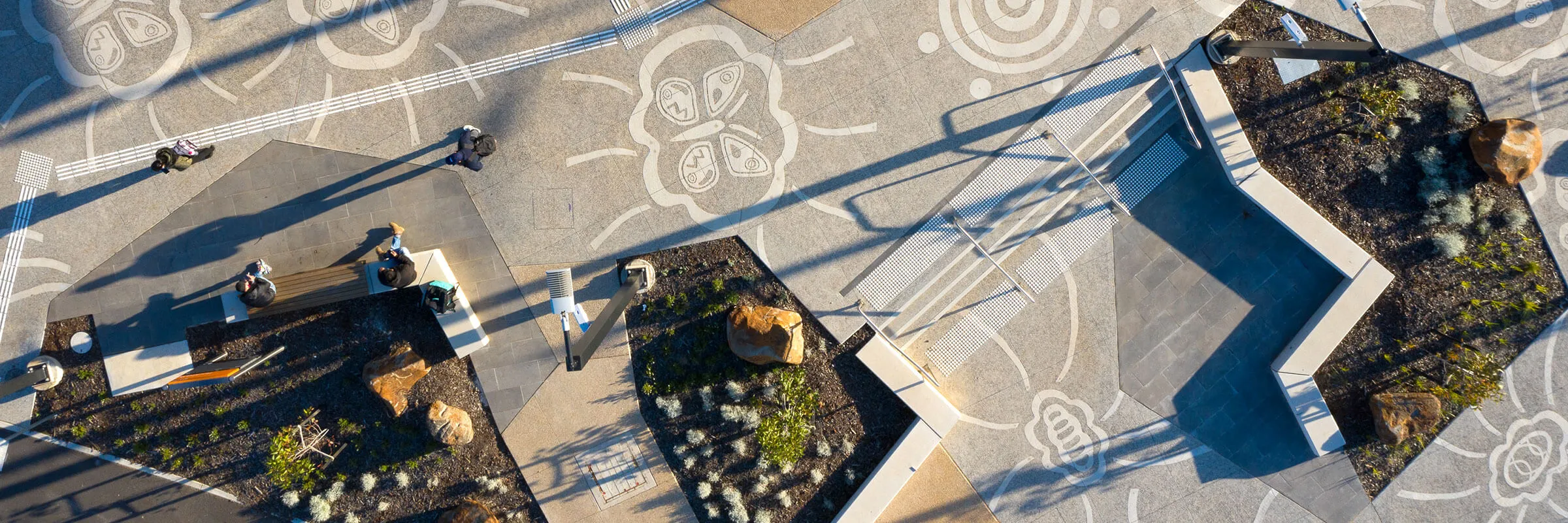
The adoption of digital technologies such as Building Information Modelling (BIM), digital twins, and asset management platforms has become increasingly common. BIM adoption in infrastructure grew by 20% last year (Construction Placements, 2025), enabling engineers to model system interactions, identify risks earlier, and design with long-term operation clearly in mind. An example of such innovation is the Sydney Metro – Western Sydney Airport (SSTOM) project, where SJ Group implemented a customised 12d Synergy setup that streamlined workflows, improved collaboration across disciplines, and reduced design time – a development recognised as the Overall Winner at the 2024 12d Innovation Award.
 Sydney Metro – Western Sydney Airport – Stations, Systems, Trains, Operations and Maintenance, Australia
Client expectations continue to evolve beyond simple visual models. They now demand maintainable, scalable, and integrated solutions across the asset lifecycle. Design teams must now think beyond construction outputs, considering performance engineering, digital assurance, and long-term change management from the very beginning.
Alongside digital innovation, rail networks must also confront the pressing challenge of climate change. In 2021, Europe faced significant rail disruptions from extreme flooding, while Australian networks contended with heat-induced track buckling and bushfire risks. In the Middle East, extreme weather warming is occurring at nearly twice the global average, posing an increasing challenge to rail operability (Zittis et al., 2022).
These are not distant future risks but urgent realities. Building resilience from the outset is critical. At SJ Group, we integrate resilience early through scenario testing, modular designs, the use of heat- and flood-resistant materials, and climate-informed asset planning. Lessons drawn from real-world disruptions are rapidly translated into proactive design and procurement decisions. Our project, Sydney Metro – Crows Nest Station, clearly demonstrates how sustainability can be fully integrated from design through to delivery, having earned the prestigious 6 Star Green Star Design and As Built ratings from the Green Building Council of Australia. This recognition underscores the integration of energy efficiency, low-carbon materials, and climate-adaptive design principles applied throughout the project lifecycle.
 Sydney Metro – Crows Nest Station, Australia
It is essential to move beyond just modelling climate risks and proactively embed resilience measures into contracts and programs. Assets should be designed to be adaptable and flexible, making resilience a core design principle that ensures long-term performance, not just compliance.
SJ Group’s integrated approach, from digital engineering and system assurance to climate resilience, creates smarter, safer, and more resilient railways. We understand the growing complexity of modern rail networks and deliver solutions that address technical, operational, and human needs.

Dr. Janardhan Sundaram
Executive Director, Rail and Metro
Dr. Janardhan Sundaram has over 30 years of project leadership across Asia, Middle East, and Europe. Having significant contributions to the Chennai Metro, Etihad Rail, and Dubai Metro, he currently heads the Global Rail and Metro sector as part of the Infrastructure and Energy business line at SJ Group, driving integrated, innovative and sustainable rail solutions worldwide.

Michael Cunnington
Regional Director, Rail and Metro (AMEP)
Michael Cunnington is a Chartered Engineer with 20 years’ experience delivering major rail and port infrastructure. Leading the rail and metro sector in Africa, Middle East and Pakistan, Michael combines strong technical expertise with a collaborative approach to managing complex, multidisciplinary projects.

Dr. Keshav Kumar
Rail Systems Director
Dr. Keshav Kumar brings over 20 years of experience in infrastructure and business operations, with a proven track record of leading transformative projects in the railway and public transportation sectors. He has successfully guided teams in delivering major projects delivery across the United Arab Emirates, the Gulf Cooperation Council, and ASEAN, driving innovation and operational excellence.

Dr. Jason Nguyen
Chief Technical Principal – Rail Systems & Safety Assurance
With over 34 years of experience, Dr. Jason Nguyen has extensive expertise in systems engineering, reliability engineering, systems safety assurance, and human factors engineering across multiple industries. He has contributed to nation-shaping projects including Sydney Metro – Western Sydney Airport and Malaysia North Double Tracking, delivering complex, high-performance infrastructure solutions.