

Jamuna Rail Bridge


From the early pioneers on the Snowy Mountains Hydroelectric Scheme, to our leaders and innovators of today, our people make us who we are.
Through our network of global specialists and by collaborating with local partners, we connect you with the best teams and capabilities to deliver highly innovative and sustainable solutions.
As an organisation we are continually evaluating ways we can better provide a safe, flexible, inclusive and respectful workplace for our people and clients.
People are at the heart of our organisation, we strive to create a flexible, diverse and inclusive environment that enables our people to thrive to their fullest potential.
Explore career opportunities
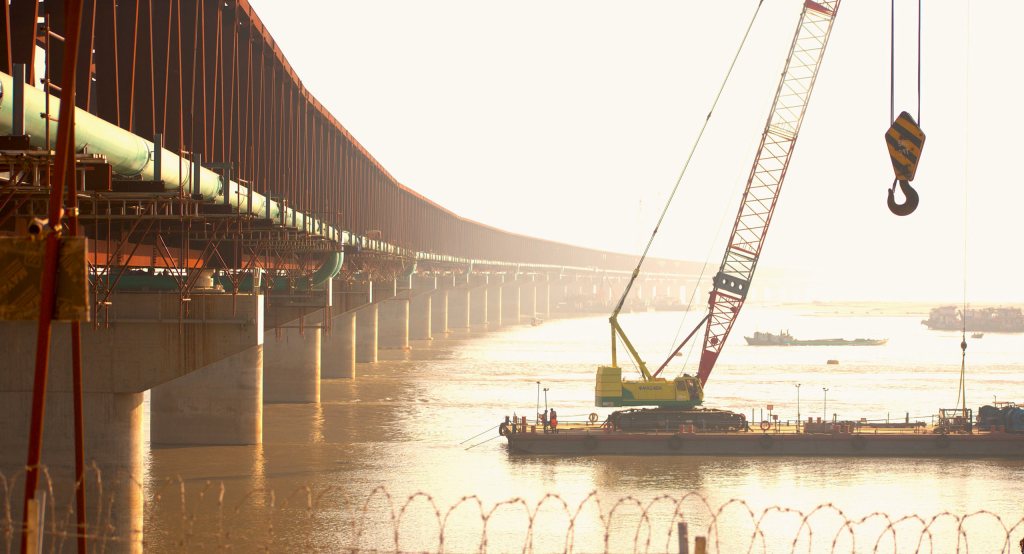
The Jamuna Rail Bridge is a landmark infrastructure project that will create Bangladesh’s first dual-gauge, double-track railway bridge, spanning 4.8 km across the Jamuna River. Located approximately 300 m upstream of the existing Jamuna Rail Bridge, the new bridge is designed to separate rail operations from road traffic entirely, allowing the older Jamuna Rail Bridge to continue serving vehicles.
The existing Jamuna Rail Bridge, completed in 1998, carries both road and rail traffic. Originally designed for four highway lanes and a single metre-gauge rail line, it was later modified to accommodate dual-gauge trains under strict speed and load restrictions. With increasing rail traffic, these limitations have created significant bottlenecks, highlighting the need for a dedicated rail solution.
Funded by the Government of Bangladesh and the Japan International Cooperation Agency (JICA), the new Jamuna bridge will support train speeds of up to 120 km per hour (broad gauge) and 100km per hour (metre gauge). It forms a critical section of Bangladesh’s main east–west corridor, connecting industrial centres, ports and inland freight routes.
SMEC, together with ACE Consultants Ltd, as subconsultant to Oriental Consultants Global, Chodai, and DDC, is delivering the detailed design, geotechnical investigations and construction supervision services. Our multidisciplinary team ensures that structural, geotechnical and environmental elements are fully integrated across approximately 30 km of track, including approach alignments and supporting infrastructure.
The bridge design utilises weathering steel for the bridge trusses, providing enhanced corrosion resistance and reducing long-term maintenance requirements in Bangladesh’s humid climate. Comprehensive geotechnical investigations and design studies have been undertaken to adapt the bridge foundations to the Jamuna River’s challenging hydraulic conditions, including flood and sediment movement.
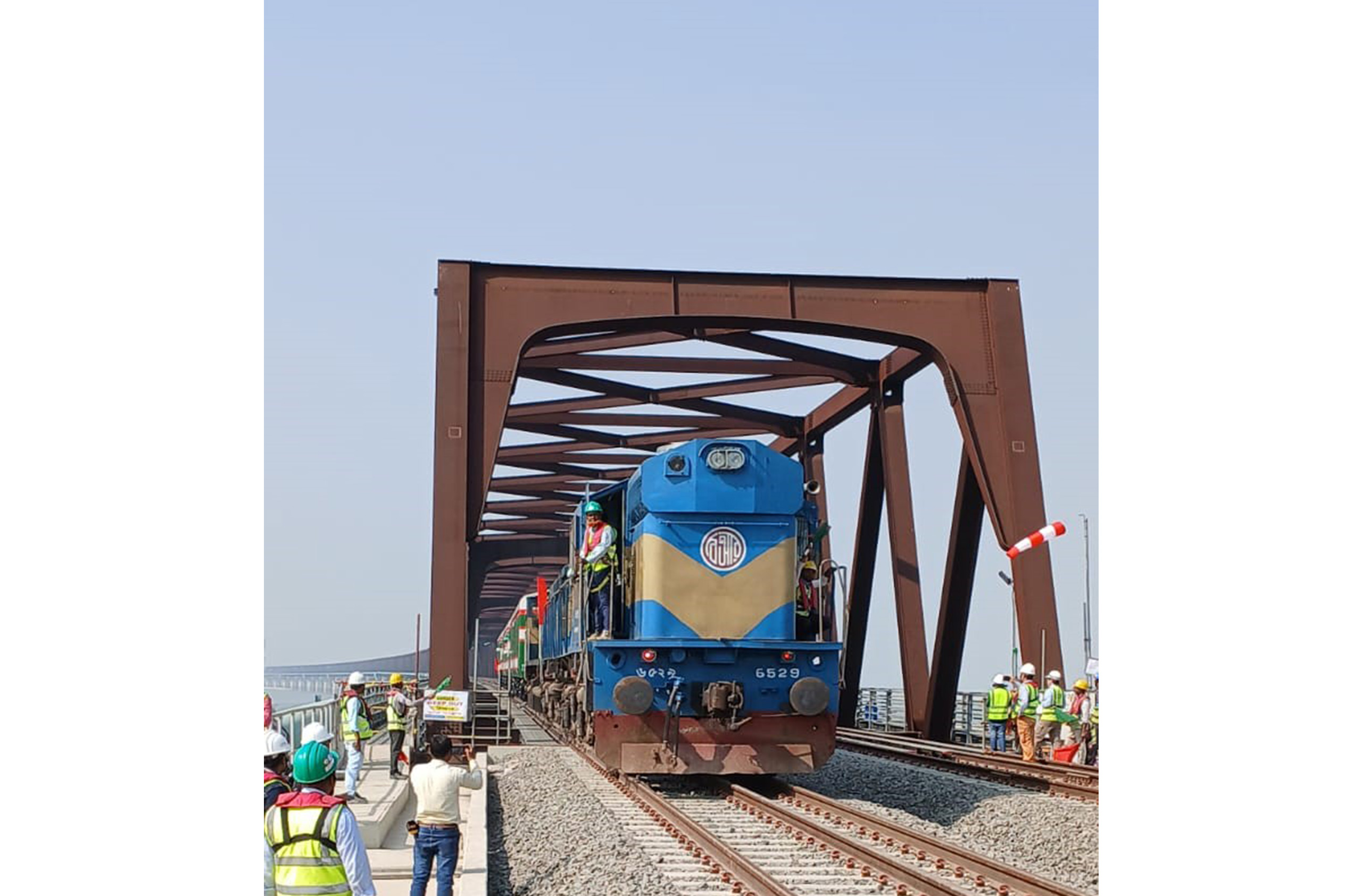
Once operational, the Jamuna Rail Bridge will reduce river-crossing time from 20 minutes to approximately 3 minutes, while accommodating up to 88 trains daily. Designed for a 100-year lifespan, the bridge will remain a cornerstone of national connectivity for generations. Beyond its engineering achievements, it stands as a symbol of progress, connecting people, communities and markets across Bangladesh and the wider region.