



Dungowan Dam Pumped Hydro Energy Storage (PHES)


From the early pioneers on the Snowy Mountains Hydroelectric Scheme, to our leaders and innovators of today, our people make us who we are.
Through our network of global specialists and by collaborating with local partners, we connect you with the best teams and capabilities to deliver highly innovative and sustainable solutions.
As an organisation we are continually evaluating ways we can better provide a safe, flexible, inclusive and respectful workplace for our people and clients.
People are at the heart of our organisation, we strive to create a flexible, diverse and inclusive environment that enables our people to thrive to their fullest potential.
Explore career opportunities
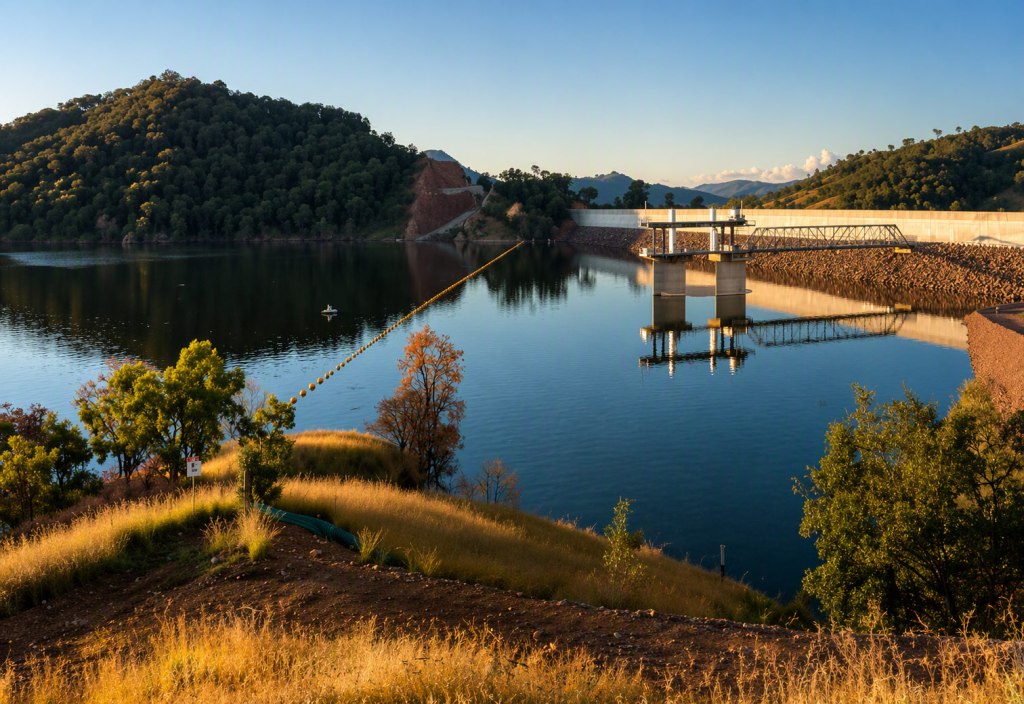
Set within the Dungowan Valley, the project is situated downstream of the existing Dungowan Dam. Its design includes an upper reservoir, a vertical pressure shaft, headrace and tailrace tunnels, underground caverns, and access tunnels. Water is pumped to the upper reservoir during periods of low electricity demand and peak renewable energy production and released to generate power when demand peaks or renewable energy is lower. This operational flexibility helps smooth out fluctuations in renewable energy supply.
To deliver this outcome, the design must respond to the site’s natural features and subsurface conditions. Managing groundwater, ensuring structural stability, and maintaining watertightness across the system’s components are critical to the project’s success and longevity.
To satisfy these design requirements while reducing risks associated with natural ground conditions, a robust site investigation program carried out by an experienced team is essential. To achieve this, Électricité de France Australia Pacific Pty Ltd (EDFA) engaged SMEC to undertake geotechnical and hydrogeological investigations in the early stages of design and planning.
SMEC has delivered desktop studies, geological mapping, geophysical surveys, and has completed an initial drilling campaign, including a deep borehole (640 m). The program included sophisticated in-situ testing and measurements, laboratory testing, and expert interpretation of results, supported by associated site management including safety oversight and drilling supervision. These inputs help define the geological context, support siting decisions, and inform environmental and constructability reviews. With geotechnical investigations completed, SMEC is undertaking periodic groundwater monitoring on site.
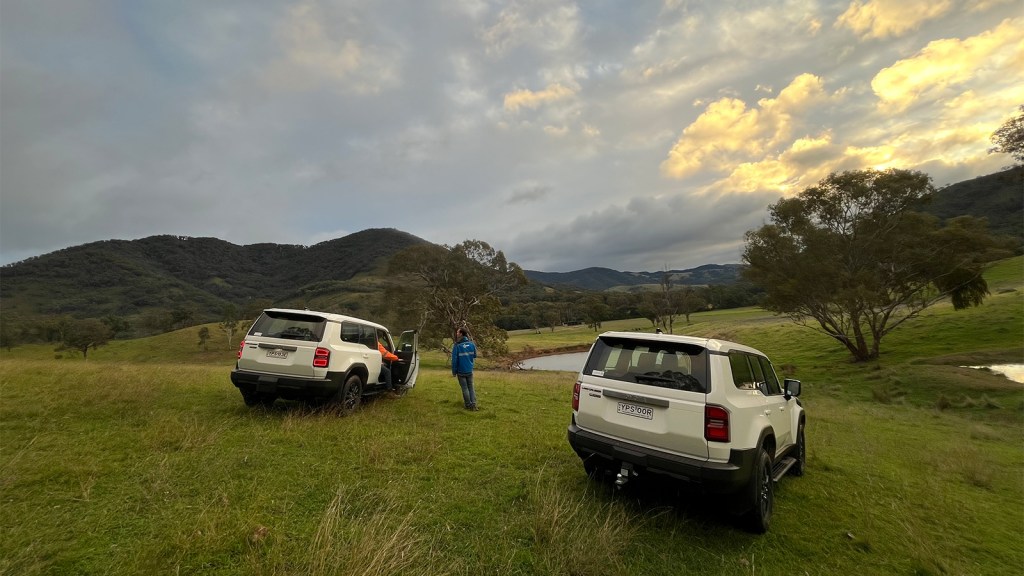
The insights gained to date are already influencing more resilient design outcomes and enabling early identification of potential ground risks. This phase of work also reflects SMEC’s broader capability in delivering infrastructure across challenging terrain, where integrated geotechnical and hydrogeological knowledge is essential. Lessons learned from the project will contribute to future off-river hydro schemes, where early site understanding can unlock smarter and more sustainable solutions from the outset.
SMEC’s geotechnical expertise has played a crucial role in shaping the early phases of the Dungowan PHES project, significantly reducing uncertainty and informing key design decisions. Subsurface investigations and geological modelling to date have defined the broader geological context and will be used to guide the optimal siting of key infrastructure, including reservoirs, access points, and the underground powerhouse.
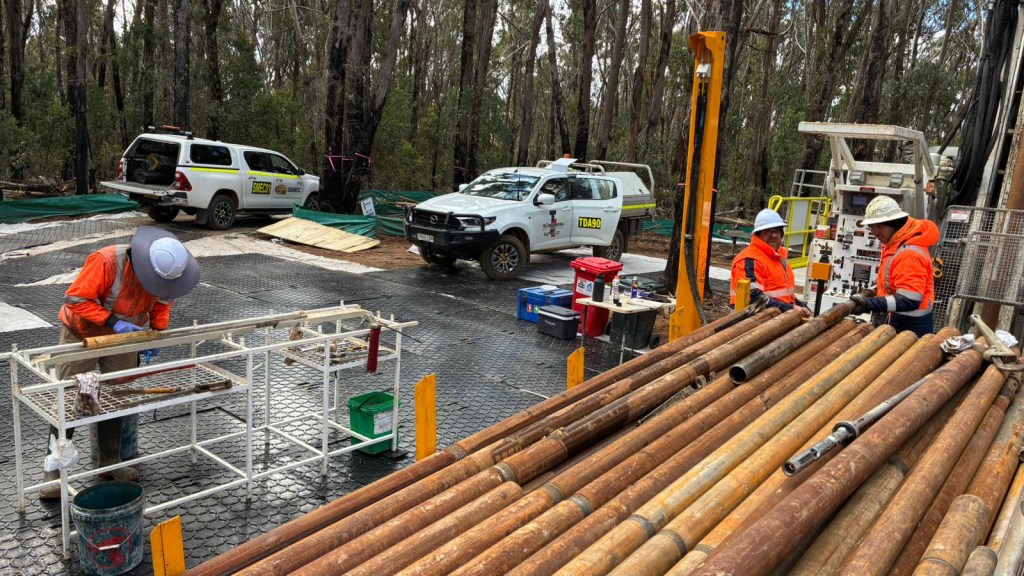
These early stages of analysis have also underpinned environmental risk assessments and constructability reviews, identified potential challenges and informed targeted mitigation strategies. As the project advances into the next phase of design, continued geological monitoring and data collection will be essential to ensure informed decision-making and guide delivery. This approach not only supports the structural integrity and constructability of the asset but also strengthens its long-term environmental resilience.
As Australia continues to invest in clean energy infrastructure, projects like Dungowan PHES show how technical insights can enable more regenerative, future-ready outcomes.