


Muam Danop (Damap) Hydropower Project


From the early pioneers on the Snowy Mountains Hydroelectric Scheme, to our leaders and innovators of today, our people make us who we are.
Through our network of global specialists and by collaborating with local partners, we connect you with the best teams and capabilities to deliver highly innovative and sustainable solutions.
As an organisation we are continually evaluating ways we can better provide a safe, flexible, inclusive and respectful workplace for our people and clients.
People are at the heart of our organisation, we strive to create a flexible, diverse and inclusive environment that enables our people to thrive to their fullest potential.
Explore career opportunities
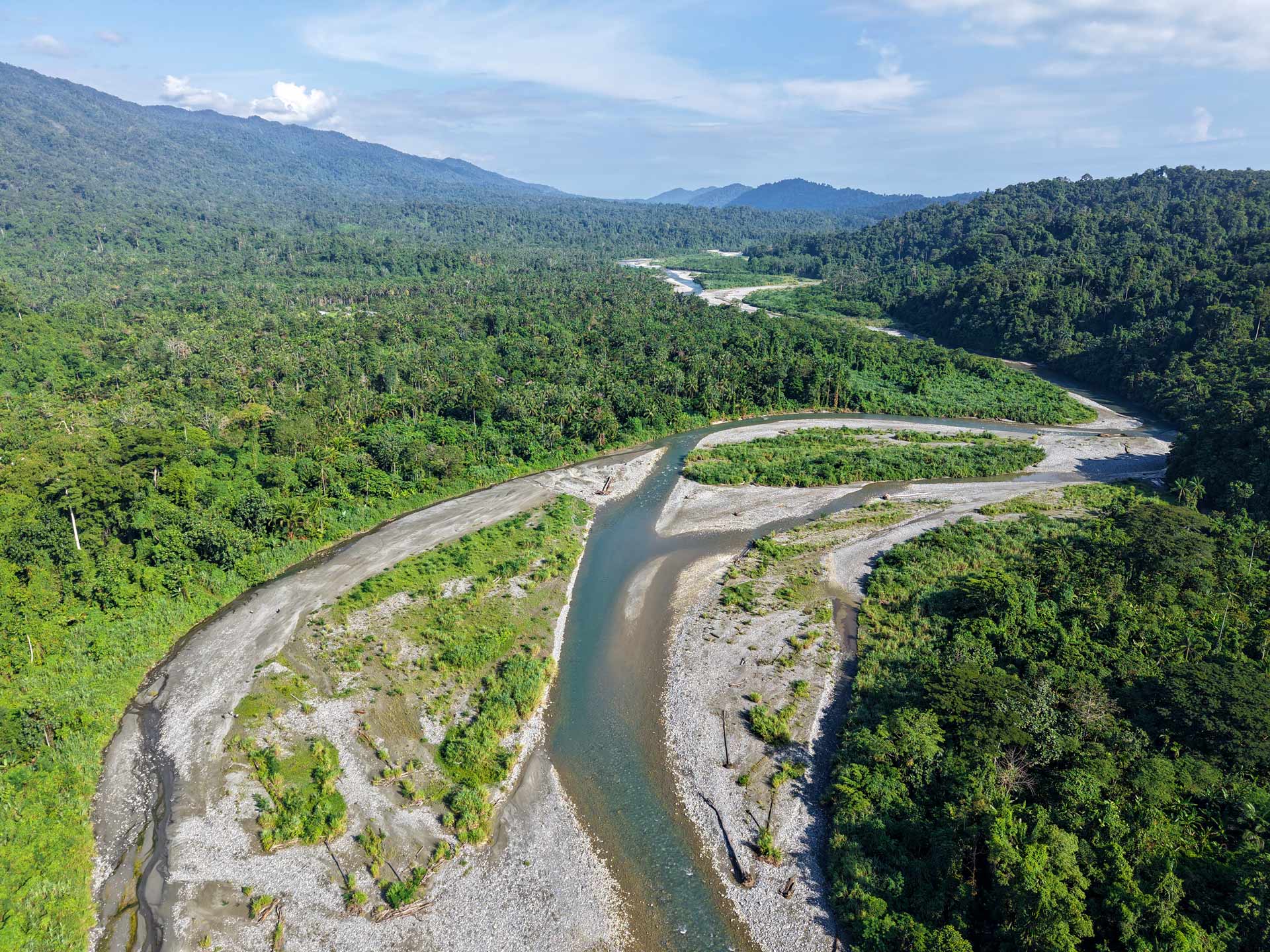
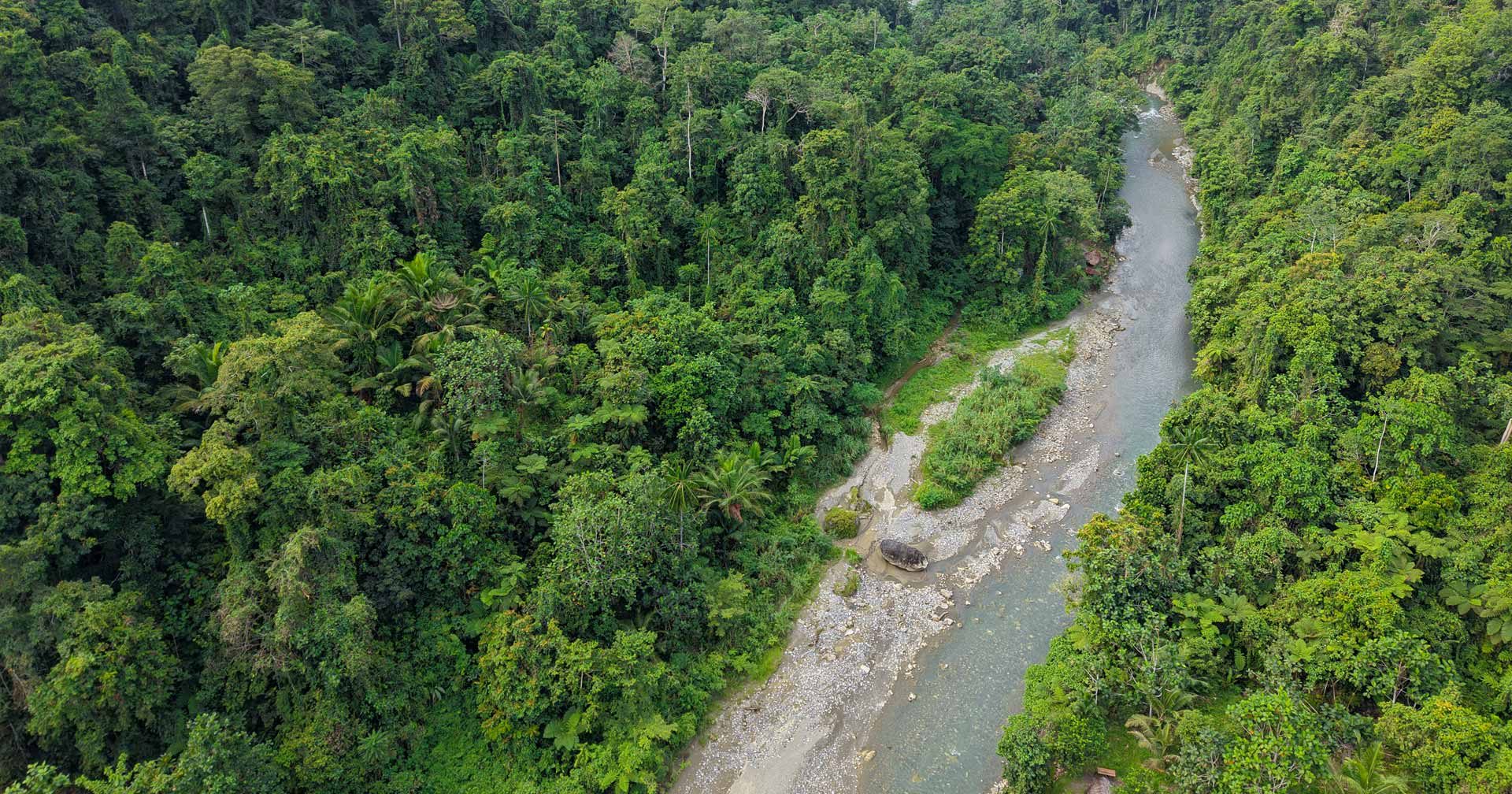
The optioneering process includes desktop hydrology assessments, evaluation of river characteristics and terrain and high-level comparative assessment of alternative configurations. This structured approach will support the identification of a technically feasible and economically viable preferred option for further development.
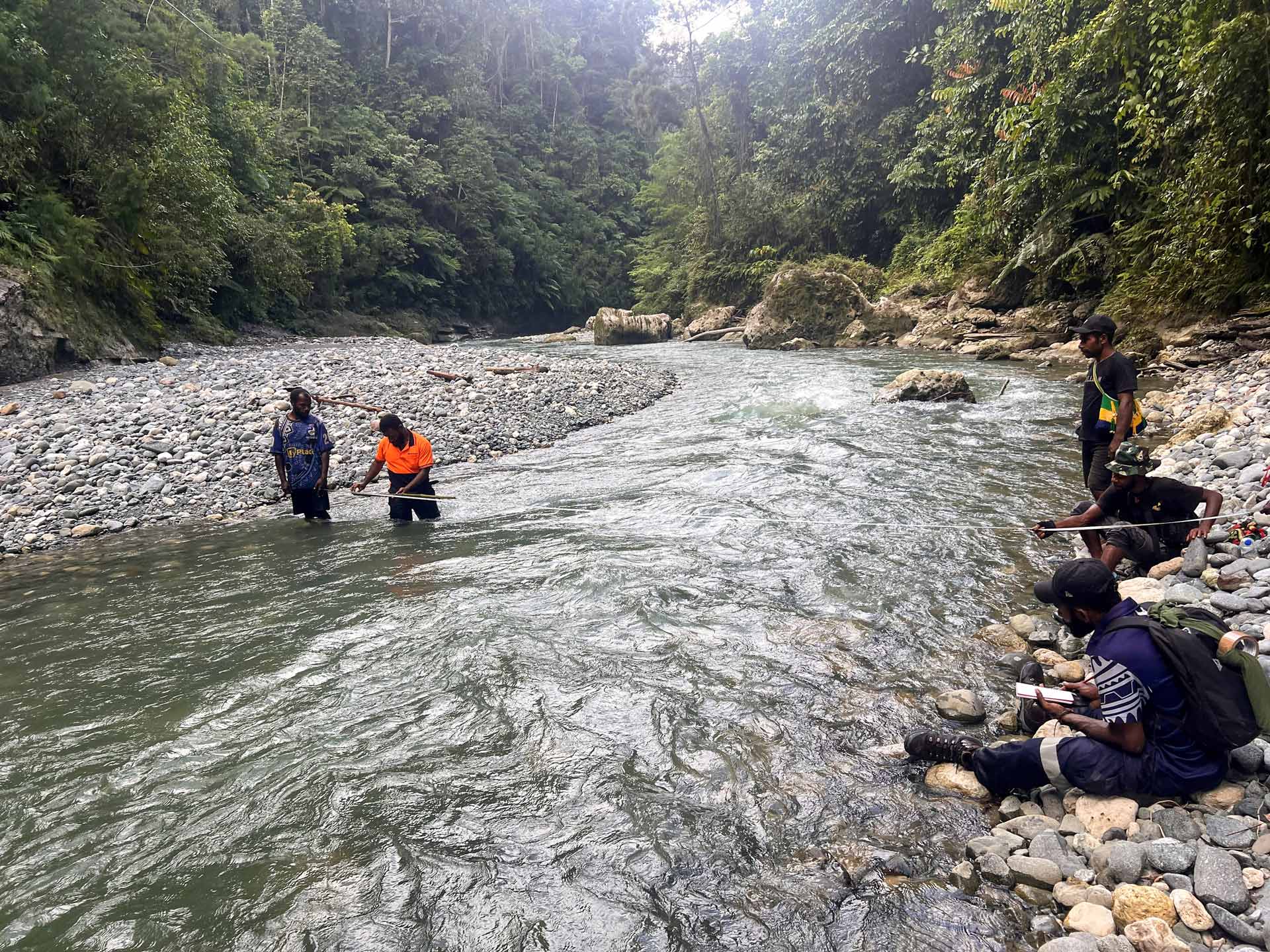
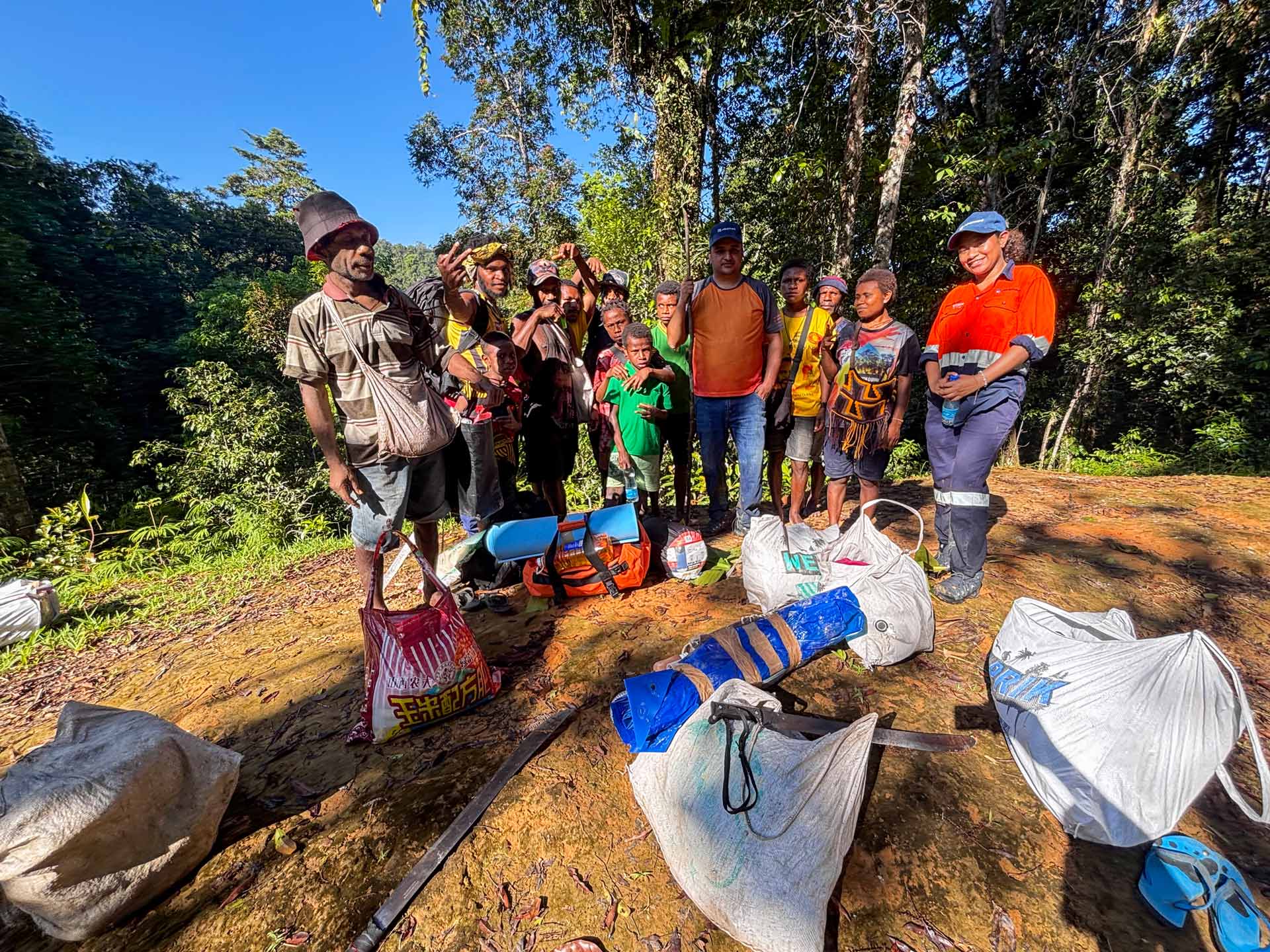
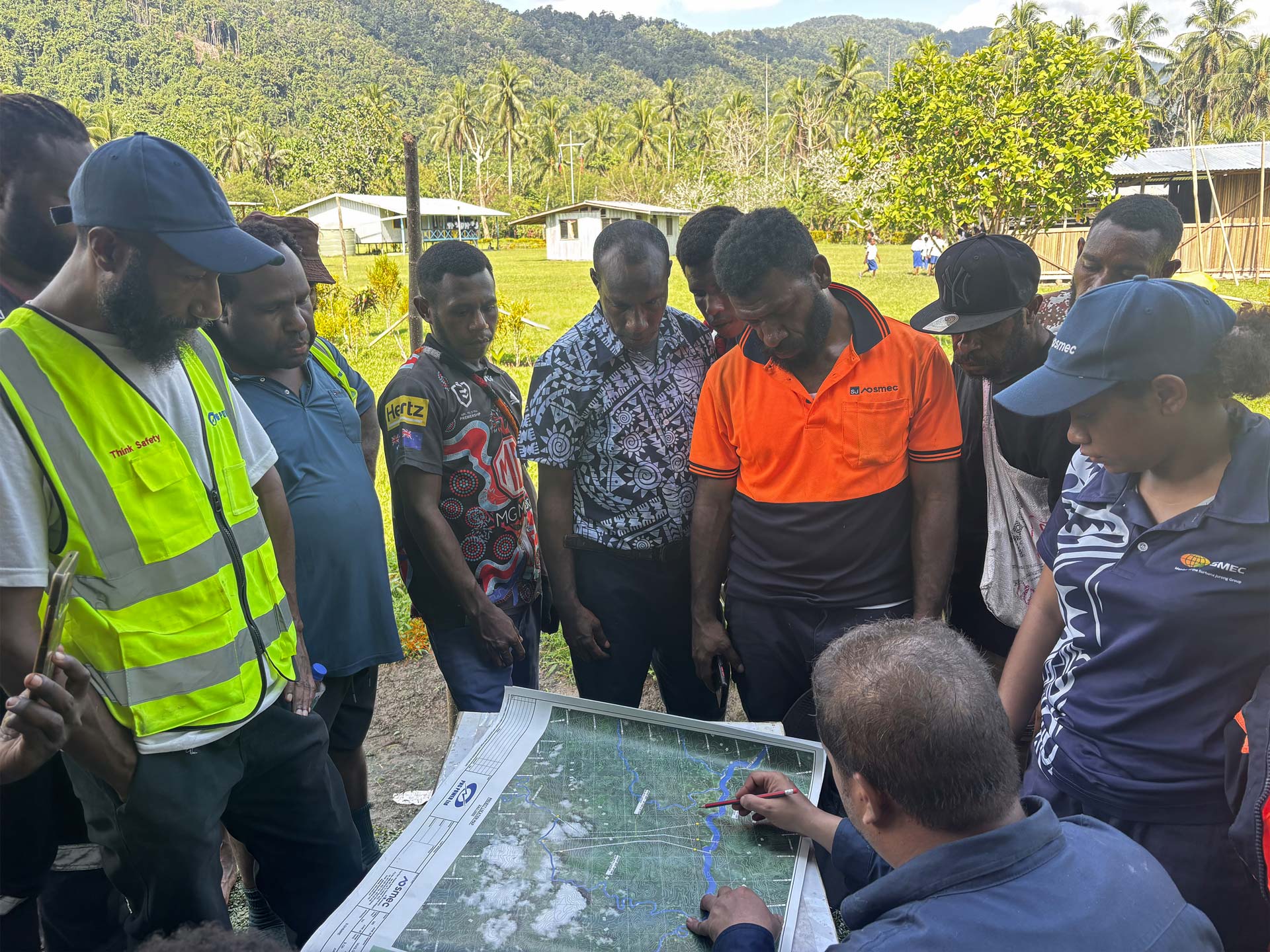
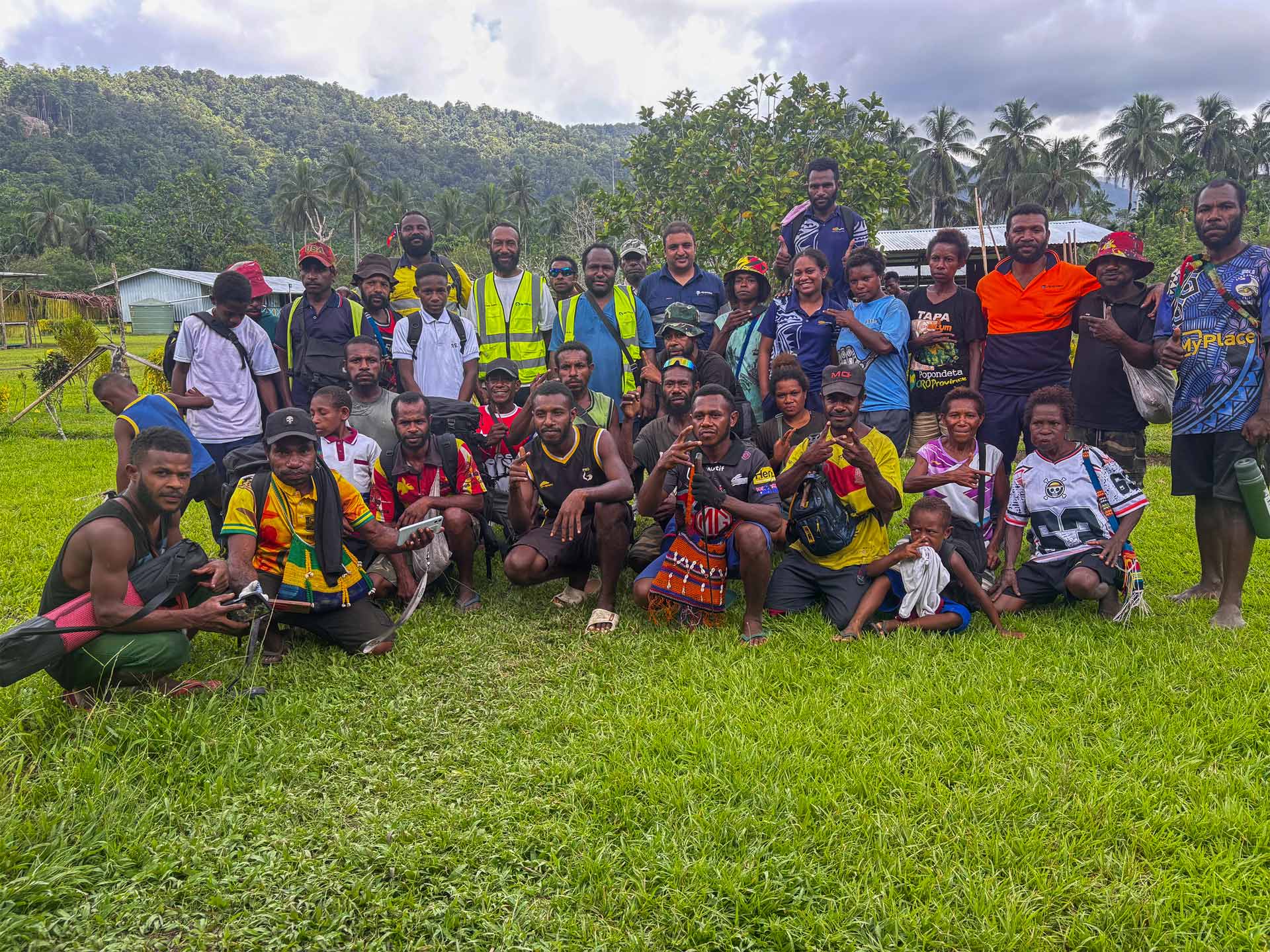
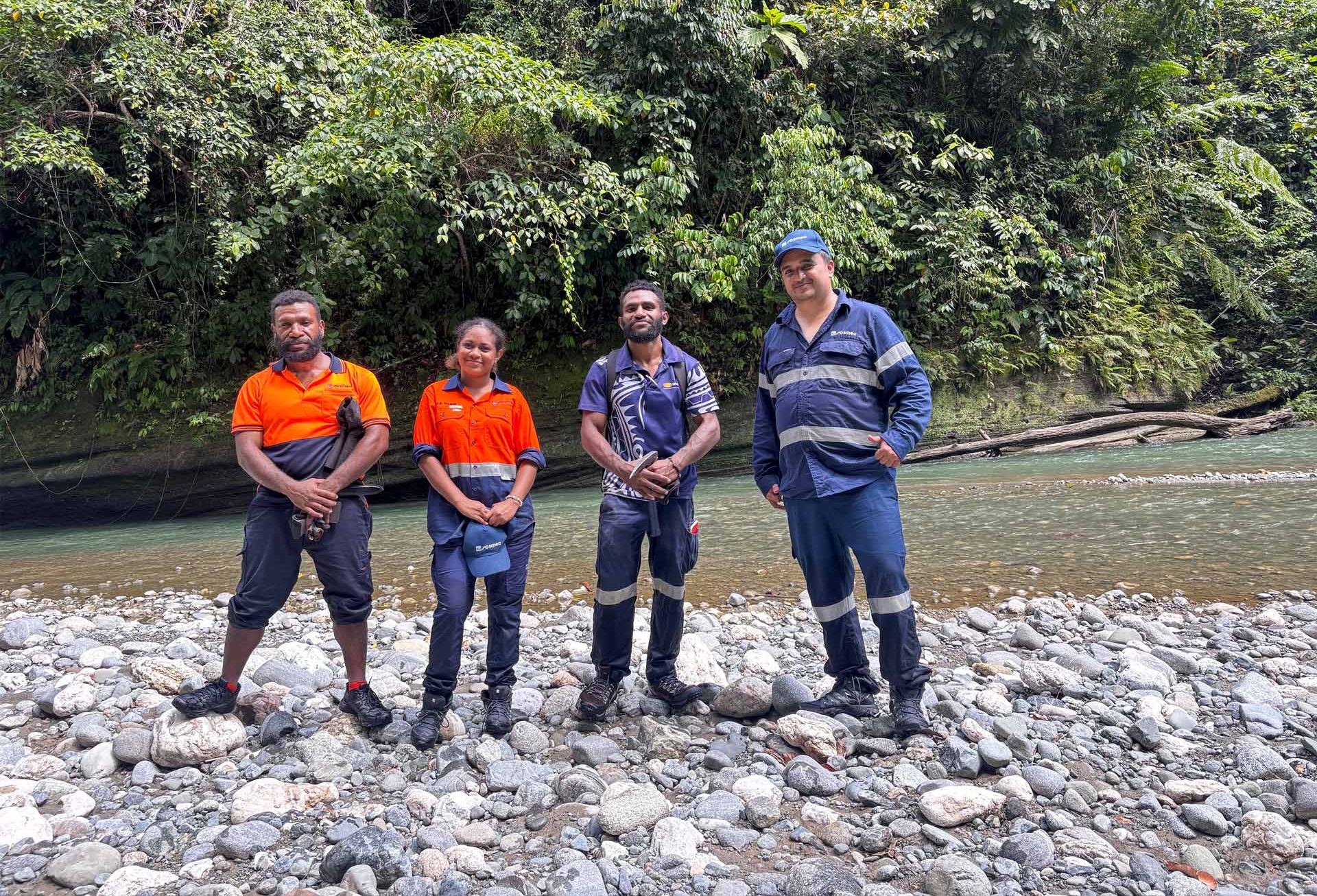
A site visit forms an important component of this phase, enabling the project team to better understand the proposed headworks and power station locations, as well as surrounding site conditions to inform the scope of detailed investigations.
Phase 2 will involve a detailed feasibility study of the selected project. This includes feasibility-level engineering design, cost estimation, preliminary economic and financial analysis, and an Environmental and Social Impact Assessment (ESIA).
Extensive site investigations will also be undertaken to build a robust understanding of the project area. These include:
These activities will provide the technical evidence base required to assess the viability of the hydropower scheme and inform subsequent decision-making.
Through this engagement, SMEC will draw on its experience in hydropower development, infrastructure planning and environmental assessment to support PNG Power Limited in advancing its renewable energy programme.
The study is a key step towards evaluating hydropower potential in West Sepik Province and contributes to broader efforts to expand sustainable energy infrastructure across Papua New Guinea.