
Expertise


From the early pioneers on the Snowy Mountains Hydroelectric Scheme, to our leaders and innovators of today, our people make us who we are.
Through our network of global specialists and by collaborating with local partners, we connect you with the best teams and capabilities to deliver highly innovative and sustainable solutions.
As an organisation we are continually evaluating ways we can better provide a safe, flexible, inclusive and respectful workplace for our people and clients.
People are at the heart of our organisation, we strive to create a flexible, diverse and inclusive environment that enables our people to thrive to their fullest potential.
Explore career opportunities
Tunnelling operates in environments that can change within metres. This article outlines why risk is built into every underground project and how engineering judgement supports safe and practical decision making.
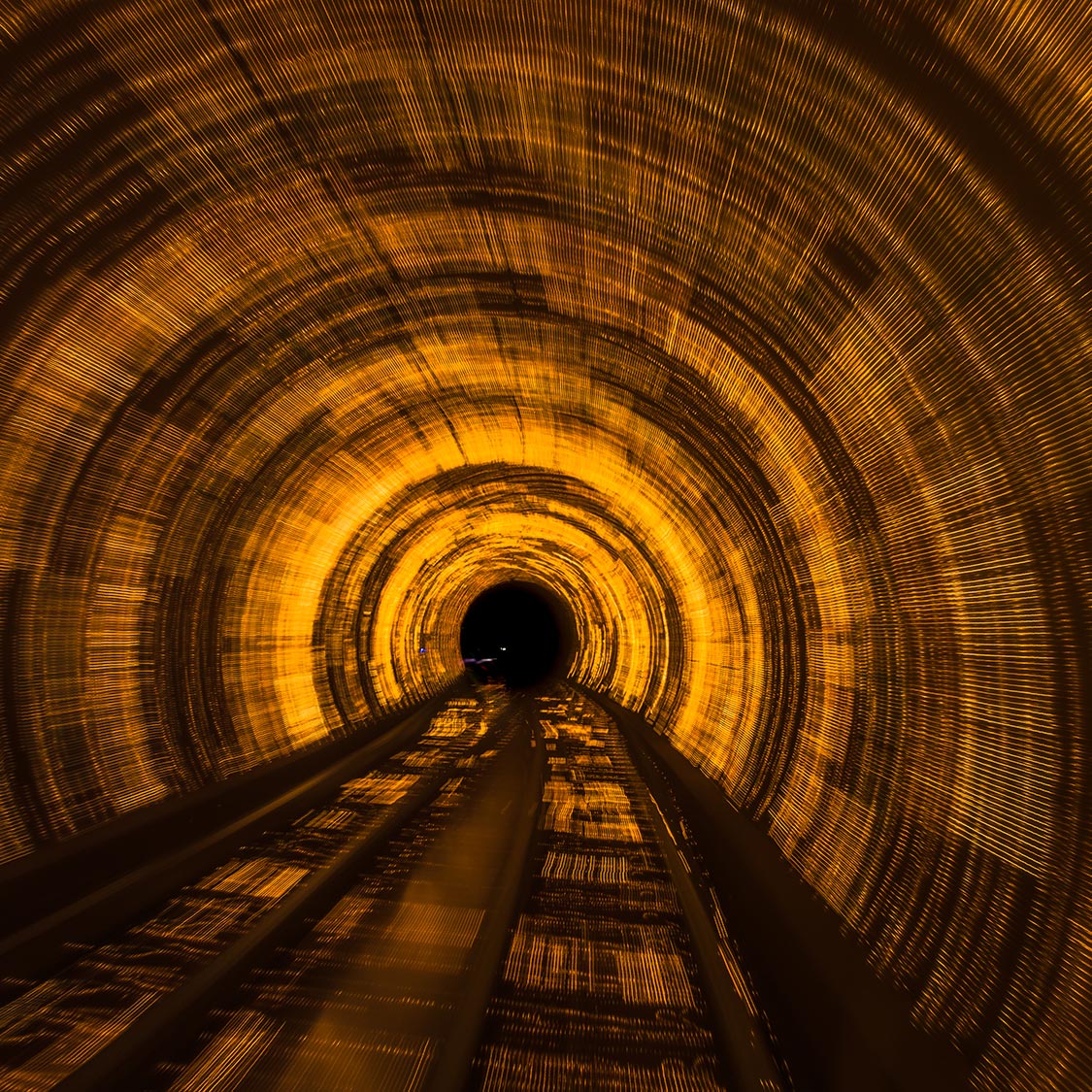
Digital tools are reshaping how teams anticipate ground behaviour and respond to change. This article explores how modelling, data and adaptive design help engineers navigate variability with greater confidence.
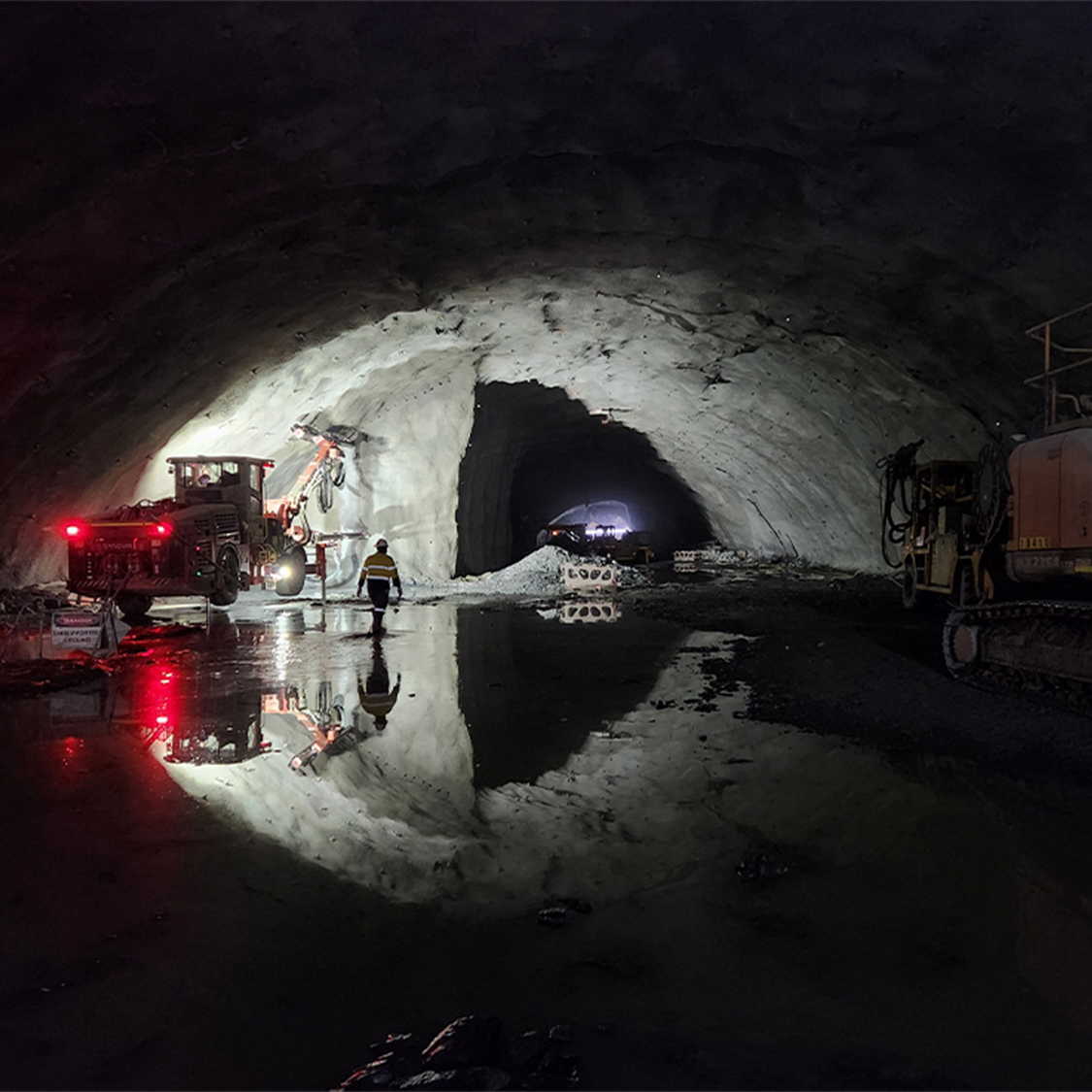
Material performance plays a critical role in tunnel delivery. This article examines what happens when soft ground is frozen for stability, how rock fractures under TBM loading and why behaviour-focused insight supports safer outcomes.
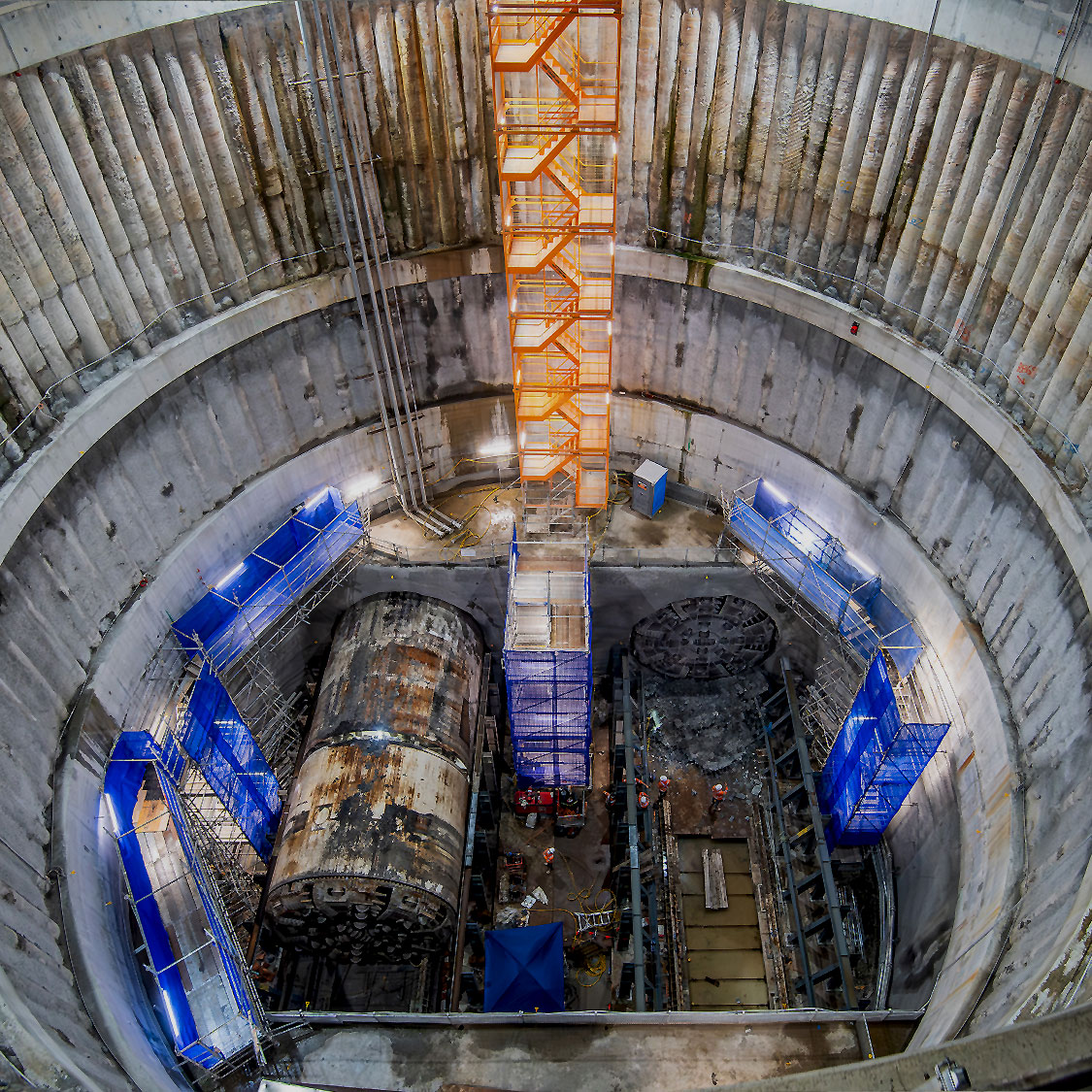
As projects move deeper and into more complex ground conditions, the ability to read and respond to changing environments becomes central to safety and performance. The Beneath the Surface series brings together practical insight from across SMEC’s underground works, showing how risk awareness, digital capability and material behaviour contribute to more predictable tunnelling outcomes.
This series is informed by the work and technical insight of SMEC specialists, collaborators, and research partners across our global transport and underground teams, including:
Despite significant advances in modelling, material science and digital engineering, one of the biggest challenges in tunnel design remains; critical decisions must still be made before the full conditions underground are known.