Through SIRAP2, SMEC is working with MID and key stakeholders, including the Royal Solomon Islands Police Force, the Road Transport Board, Honiara City Council and other government and community partners, to support a more structured and collaborative approach to managing road safety risks.
This work contributes to SIRAP2’s broader objective of improving climate resilience and safety across the country’s transport infrastructure.
Developing a roadmap for safer roads
A central component of the assignment is the development of a three‑year Road Safety Action Plan designed to provide practical and implementable recommendations to guide national efforts.
The plan is informed by:
- Assessments of the current road safety environment
- Stakeholder consultation and engagement
- Site-based investigations and local insights
- International best practice, including the Safe System approach to managing road safety risk
This framework considers the interaction between road safety governance (legislation, enforcement and compliance), road design, speed management, driver behaviour and education, vehicle standards and post‑crash response and care. It’s a fundamental approach to reduce both the likelihood and severity of road incidents while supporting a safer more resilient transport network.

Strengthening institutions and capability
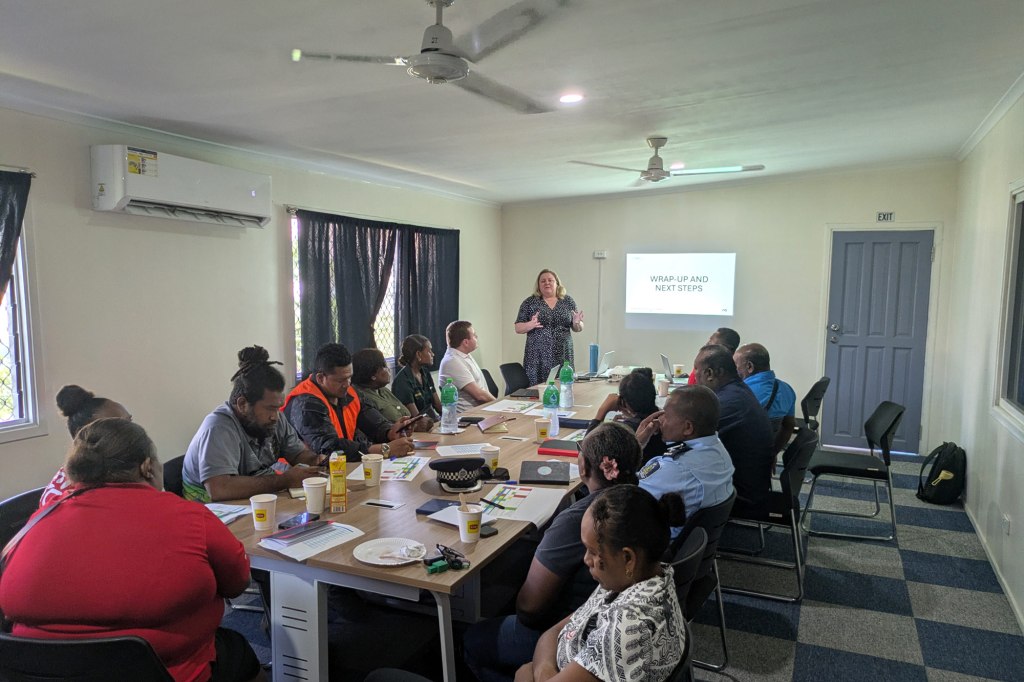
Beyond technical delivery, the project places a strong emphasis on institutional strengthening and long-term capability development. SMEC is working alongside MID and partner agencies to build capability through joint site visits, stakeholder engagement, road safety workshops, on‑the‑job training and knowledge sharing.
As part of this process, SMEC will support the establishment of a National Road Safety Council (NRSC), providing a platform to guide decision-making, improve governance, enhance coordination between agencies and oversee implementation of the Road Safety Action Plan.
The project will also convene Solomon Islands’ first National Road Safety Conference, bringing together government, industry and community stakeholders to share knowledge, strengthen partnerships and raise awareness of road safety priorities across the country.
Supporting sustainable outcomes for the community
Structured across a series of defined phases and deliverables, the project includes baseline assessments, strategic planning, stakeholder engagement and implementation support. Key milestones include:
- Development of a national Road Safety Action Plan
- Delivery of a one‑day National Road Safety Conference
- Establishment of a National Road Safety Council
- Support for ongoing governance and implementation activities
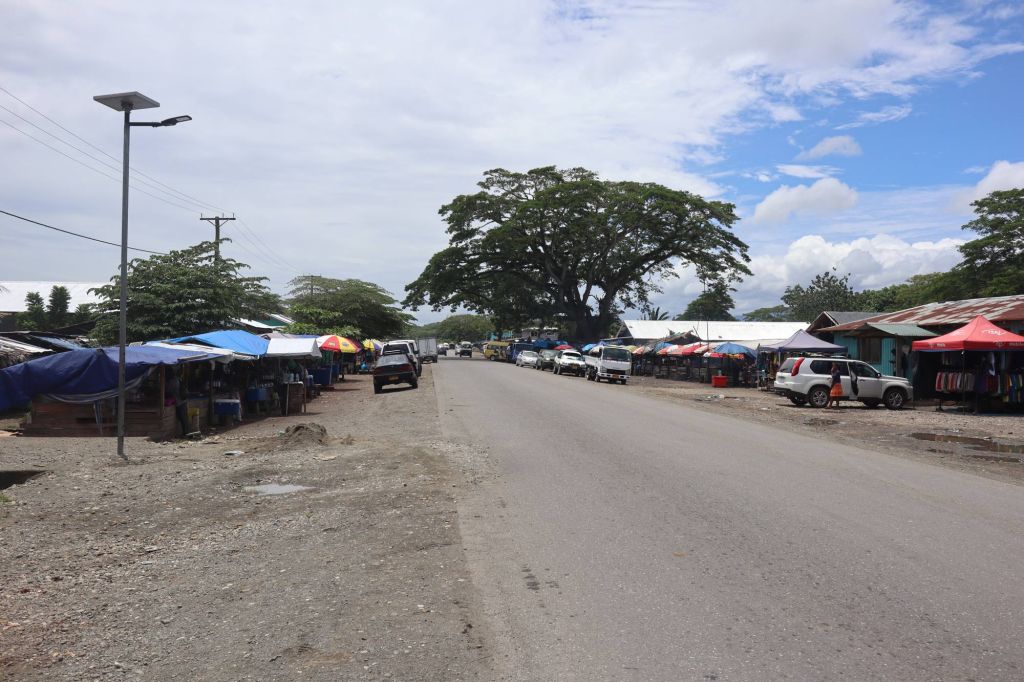
By combining technical expertise with local collaboration and capacity building, the project aims to deliver practical and sustainable outcomes that support the Solomon Islands in strengthening road safety management systems over the long term.
Through this work, SMEC is contributing to safer, more resilient transport networks that support communities, economic activity and access to essential services across the Solomon Islands.