Moving from reactive management to proactive planning
Perhaps the most significant insight is the role of digital engineering and its ability to shift management from reactive response to proactive decision-making.
Historically, many infrastructure decisions have been driven by operational constraints once they become visible, whether through asset deterioration, capacity limitations or changing operational demands. Digital engineering provides an opportunity to identify those constraints earlier, understand their underlying causes, and test alternative solutions before they affect operations.
For ports, this means moving beyond managing individual assets towards understanding how the wider infrastructure system performs under different operating conditions. Digital models and data can provide greater visibility of how assets interact, where capacity constraints may emerge and how changes to operations or infrastructure could affect the broader network. This creates a more informed basis for decision-making. Rather than responding to problems as they arise, infrastructure owners can use evidence and predictive insights to prioritise investment rather than assumptions, and to optimise asset performance and improve operational resilience.
The opportunity is not simply to digitise existing processes, but to change how infrastructure is planned and managed, moving towards a more connected, proactive and evidence-based approach that supports better outcomes across the asset lifecycle.
Building on a foundation of digital maritime expertise
The Port of Townsville study reflects a broader evolution occurring across the ports and maritime sector. Across Australia and internationally, port operators are increasingly seeking ways to improve visibility of existing assets, strengthen operational resilience and extend infrastructure life. Digital engineering is playing a growing role in helping achieve these outcomes.
At Port of Brisbane, SMEC combined terrestrial laser scanning (TLS), Simultaneous Localisation and Mapping (SLAM) technology and underwater depth sounding to create a comprehensive digital representation of wharf infrastructure, including areas that had previously been difficult to access and assess. By integrating these datasets into a single model, engineers gained a more complete understanding of asset condition and performance while reducing many of the safety and operational challenges associated with traditional inspection methods. The project demonstrated how advanced digital capture technologies can provide greater asset visibility and establish a stronger foundation for long-term monitoring, maintenance and infrastructure planning.
SMEC applied a similarly integrated approach at Geraldton Fishing Boat Harbour, where above-water and underwater 3D laser scanning, condition inspections and structural modelling were combined to build a comprehensive digital understanding of 11 key jetties and wharf structures. By addressing significant gaps in the original and in-situ asset information, the team was able to assess structural capacity, identify remediation requirements and support more strategic planning for maintenance, upgrades and future investment. The project demonstrates how tailored digital solutions, supported by engineering assessment and ground truthing, can turn fragmented asset data into a practical decision-making tool. These challenges, solutions and lessons are explored further in the white paper Navigating the Digital Wave: Challenges in Digitisation of Geraldton Fishing Boat Harbour.
In other port projects, SMEC has utilised integrated digital photographic surveys to inspect wharf structures where physical access was restricted due to health and safety risks. This approach enables the creation of comprehensive digital visual records, providing the structural assessment team with the ability to remotely navigate and interrogate the underside of the asset. By gaining a detailed understanding of structural conditions, constraints and potential hazards without requiring direct site access, the team is able to make more informed assessments of asset performance, deterioration mechanisms and operational risks. This approach demonstrates how digital engineering technologies can enhance safety, improve decision-making and unlock valuable insights in challenging environments.
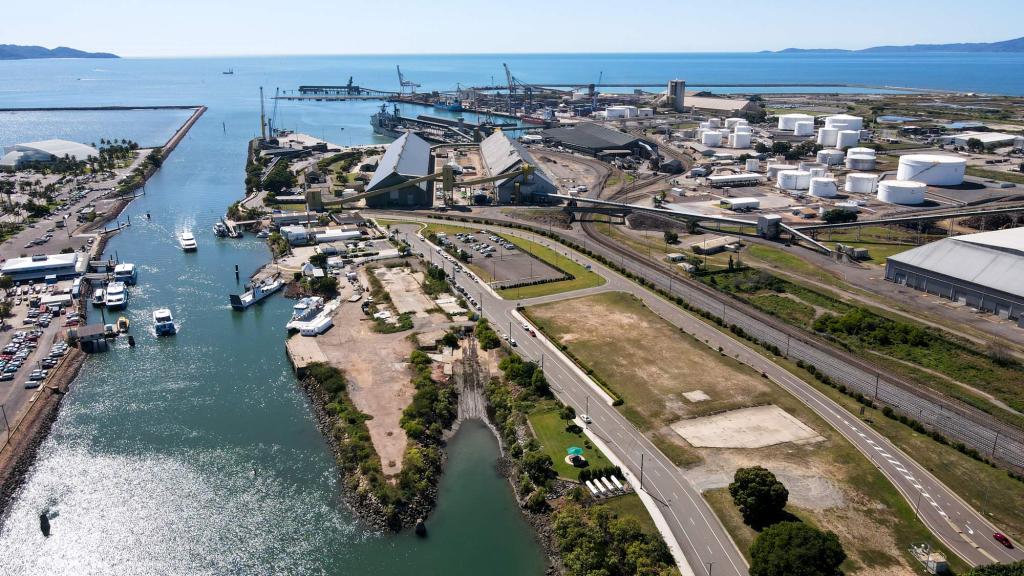
Together, these projects highlight how digital engineering is evolving from a tool for capturing asset data into a platform for generating actionable insight. When combined with engineering expertise, operational understanding and asset management knowledge, digital models can help port operators better understand infrastructure performance, identify limitations earlier and make more informed decisions throughout the asset lifecycle. The same principles underpin the Port of Townsville study, where integrated digital engineering was used not simply to model infrastructure, but to evaluate operational performance and support evidence-based decision-making in a complex maritime environment.
Shaping the next generation of resilient port infrastructure
As ports continue to evolve, operators face increasing pressure to balance operational efficiency, safety, resilience and long-term asset performance.
The research reinforces a simple but important principle: better decisions start with better understanding. By combining digital engineering, maritime expertise and operational insight, ports can move beyond viewing infrastructure as a collection of assets and begin understanding it as a connected system.
This integrated approach enables operators to test ideas before implementation, identify limitations earlier and make more confident investment decisions. Most importantly, it helps unlock the full potential of existing infrastructure while supporting safer, more resilient and more sustainable outcomes for the future.
As ports across the region continue to adapt to changing operational demands, the organisations that successfully combine technology, engineering expertise and operational knowledge will be best placed to navigate complexity and deliver lasting value for industry, communities and future generations.
By simplifying complexity and turning insight into action, integrated engineering can help shape the next generation of resilient, efficient and sustainable maritime infrastructure; engineering positive change for the ports that connect our communities and economies.
Connect with our experts