


Cannery Creek Sewer Upgrade


From the early pioneers on the Snowy Mountains Hydroelectric Scheme, to our leaders and innovators of today, our people make us who we are.
Through our network of global specialists and by collaborating with local partners, we connect you with the best teams and capabilities to deliver highly innovative and sustainable solutions.
As an organisation we are continually evaluating ways we can better provide a safe, flexible, inclusive and respectful workplace for our people and clients.
People are at the heart of our organisation, we strive to create a flexible, diverse and inclusive environment that enables our people to thrive to their fullest potential.
Explore career opportunities
A nature-based solution uses ecosystem protection, management and rehabilitation to tackle social, economic and environmental challenges, benefiting both people and nature. This is the first time a project like this has been delivered in South East Queensland.
The proposed benefits and outcomes include a 96% reduction in wet weather overflows, a 92% reduction in Cannery Creek spills, lower wet weather loads on the network and on Queensand’s largest sewage treatment plant: Luggage Point Resource Recovery Centre (RRC). The improved environmental and community outcomes include creek restoration, landscaping and enhanced public amenity.
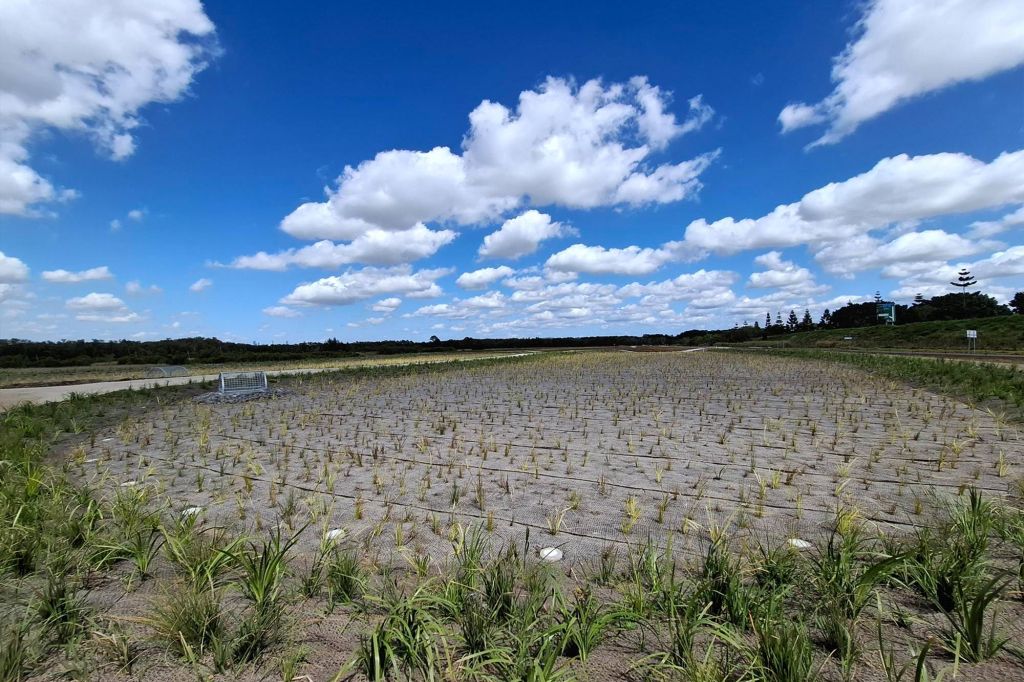
During heavy rain, stormwater enters the wastewater network, increasing flows. The new system manages this by:
At the Cannery Creek site, sediment basins, fish screens, a screening chamber, a weir and the wet weather pump station work together to improve waterway health and support ongoing operations.
Together, these works reduce wet weather overflows, create downstream network capacity, and deliver water quality improvements while restoring and enhancing freshwater and estuarine habitats, including fish passage.
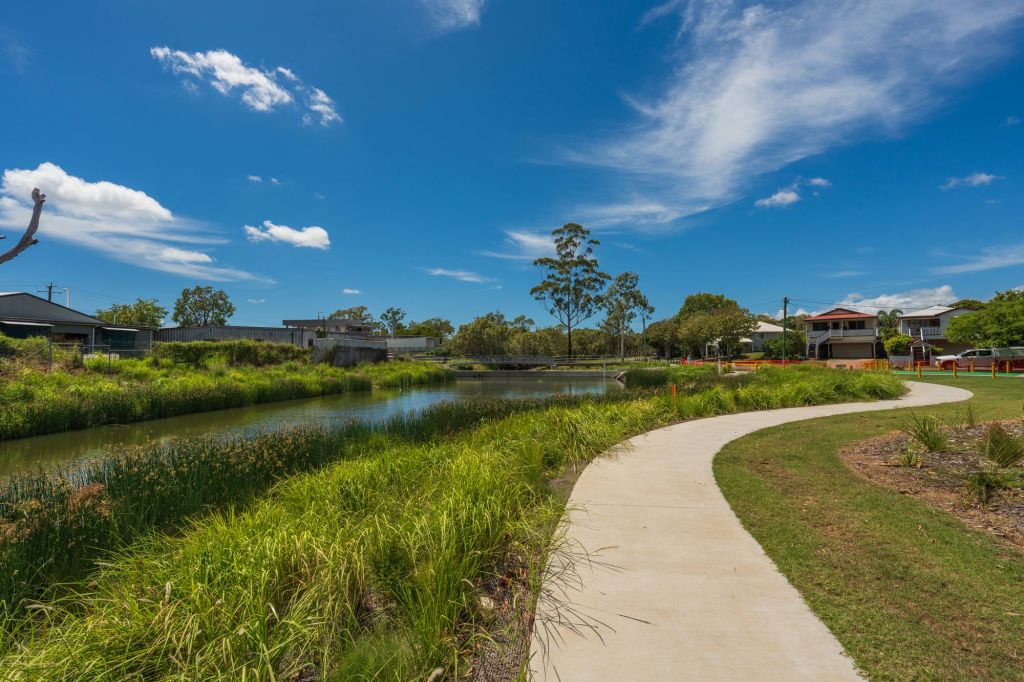
The project delivers a net improvement in water quality through nutrient and sediment load reduction, restores and enhances freshwater and estuarine habitats, and rehabilitates creek conditions towards a pre-urbanised state, strengthening system resilience.
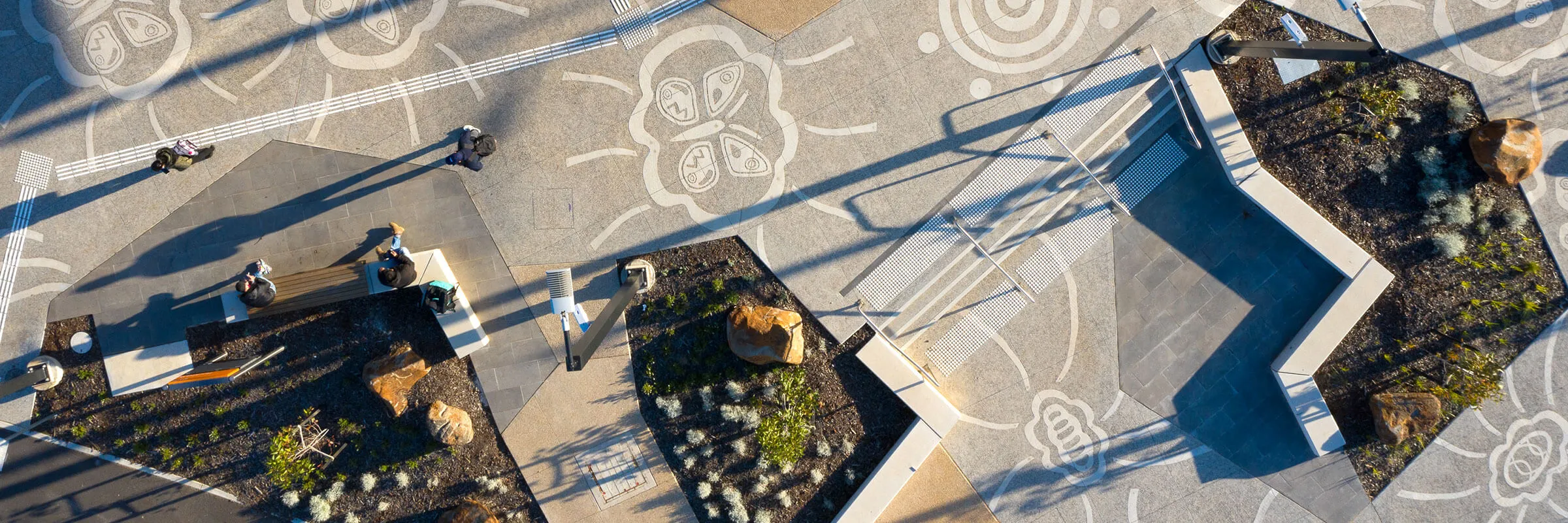
To enhance public amenity, the project added 60,000m² of creek restoration and landscaping, more than 14,000 native trees, shrubs and grasses planted, and 15,000m² of marine couch, improving connectivity and liveability for neighbouring communities.
The innovative design solution addressed waterways beyond standard state code frameworks, including marine and tidal environments, fish passage and impacts to Ramsar-listed wetlands. The project also established Queensland’s first combined wastewater and stormwater offset discharge licence.
The project required approvals across 27 regulatory instruments, resulting in approximately 160 permits, and spanned 25 properties across private, state, federal and local government land, including multiple easements.
Queensland’s State Assessment and Referral Agency recognised the proposal as one of the most unique, complex and innovative applications assessed. The licensing strategy followed the Environmental Protection (Water and Wetland Biodiversity) Policy 2019, applying the management hierarchy and nutrient offset mechanisms to mitigate wastewater discharge impacts.
Early and ongoing community engagement, including establishment of a 23-person Community Planning Team, informed business case development, design and construction. Collaboration with The University of Queensland supported development and validation of the bioretention system, complemented by integrated modelling of hydrology, hydraulics, stormwater quality and receiving environments.
Two water quality monitoring programs will validate design assumptions, confirm treatment performance and assess receiving environment impacts. Control system innovations improved redundancy and operational flexibility through adjustable weirs and adaptive pumping, enabling prioritisation of stormwater over wastewater, drought management and optimised treatment performance.
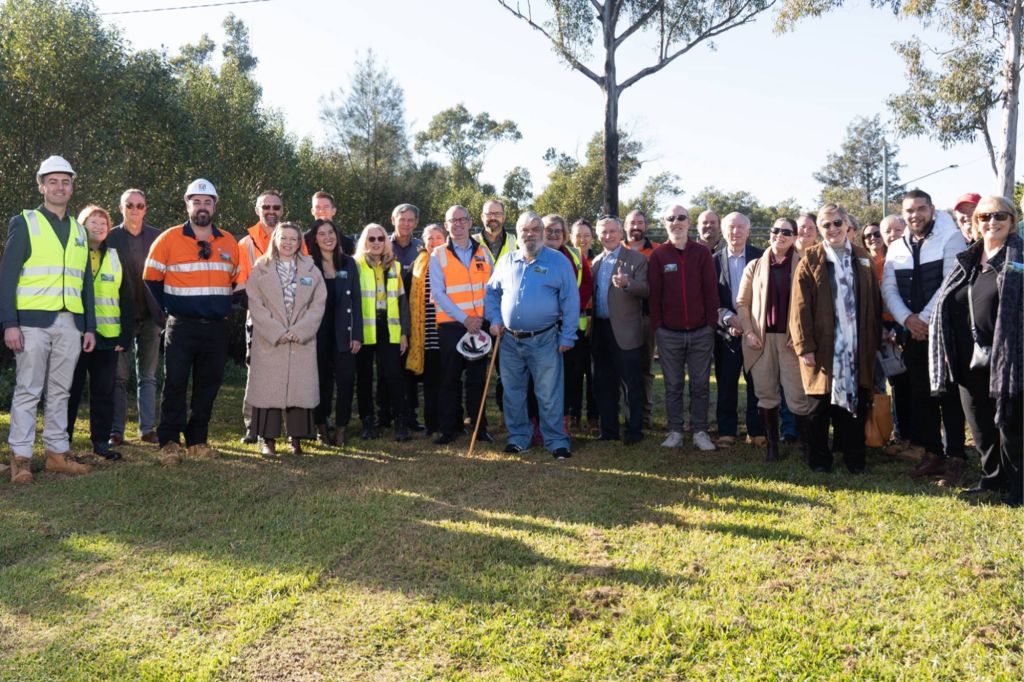 The community planning team during the groundbreaking ceremony
This project demonstrates how a nature-based solution can improve sewer network performance, deliver better environmental outcomes and create lasting community benefits through restoration, amenity and public realm improvements.
The project enhances the resilience of the local waterway, safeguarding surrounding infrastructure and supporting Brisbane’s adaptation to a changing climate.
The Cannery Creek project shows the value of combining wastewater and stormwater management with ecosystem restoration. By embracing collaboration with the community, authorities and regulators, the project has improved network performance, enhanced public amenity and delivered meaningful ecological outcomes for Cannery Creek, Kedron Brook and Moreton Bay.
Ongoing water quality testing and plant maintenance, together with detailed monitoring and validation of outcomes, will help inform future applications of nature-based solutions and build confidence in similar approaches.
If you would like to learn more, please visit: Cannery Creek Sewer Upgrade