
Sydney Metro West – Western Tunnelling Package (WTP)


From the early pioneers on the Snowy Mountains Hydroelectric Scheme, to our leaders and innovators of today, our people make us who we are.
Through our network of global specialists and by collaborating with local partners, we connect you with the best teams and capabilities to deliver highly innovative and sustainable solutions.
As an organisation we are continually evaluating ways we can better provide a safe, flexible, inclusive and respectful workplace for our people and clients.
People are at the heart of our organisation, we strive to create a flexible, diverse and inclusive environment that enables our people to thrive to their fullest potential.
Explore career opportunities
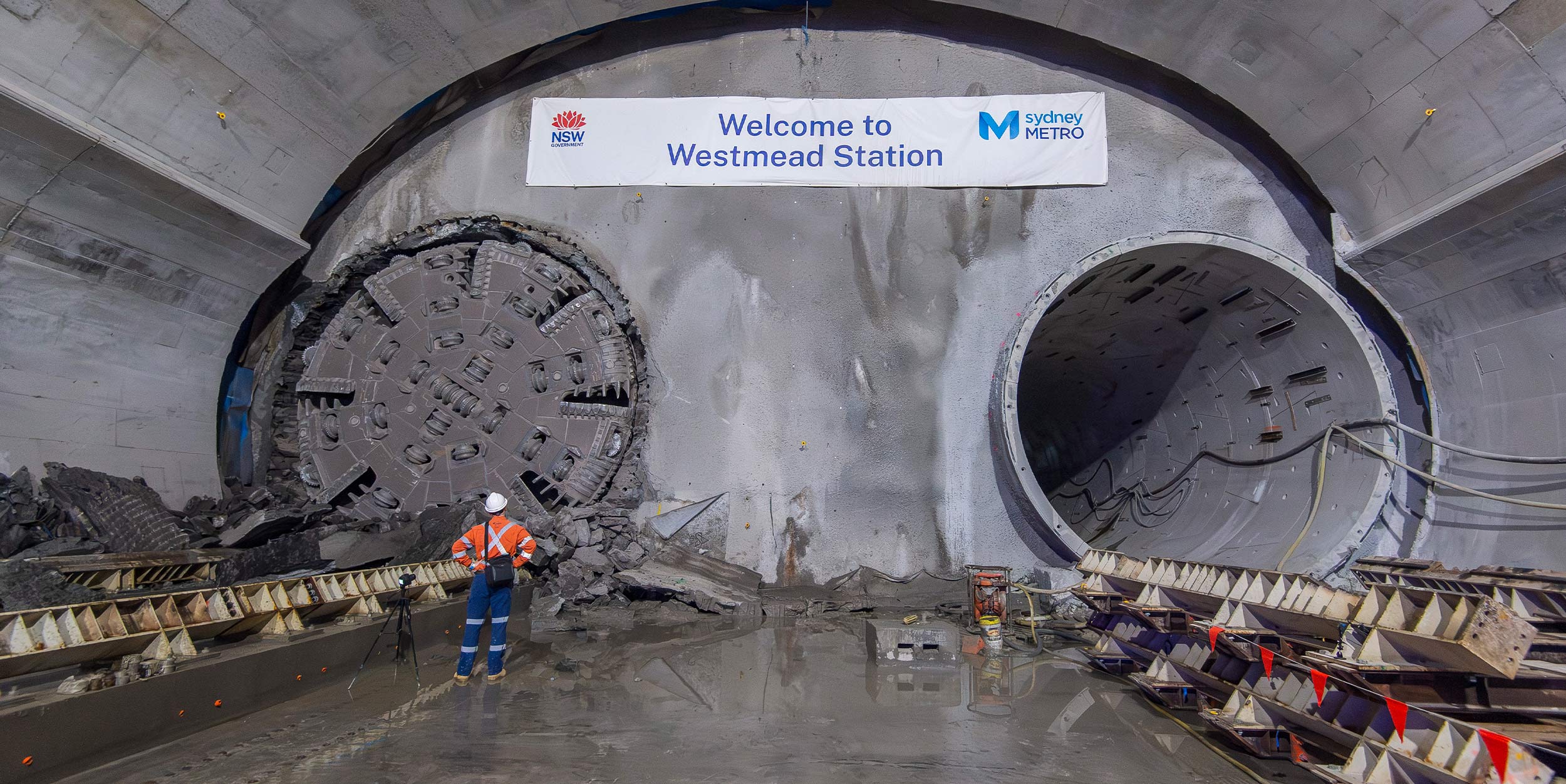
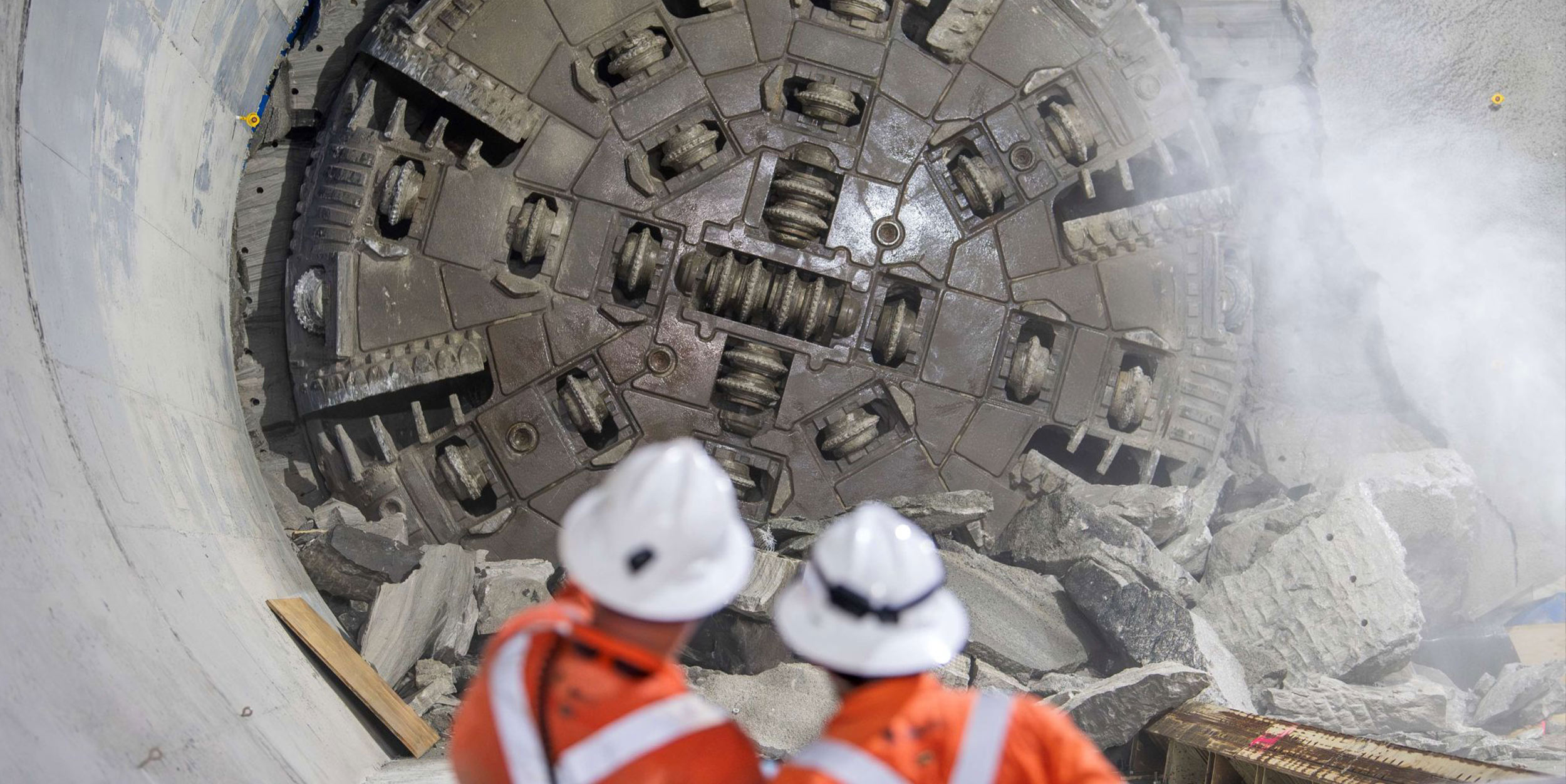
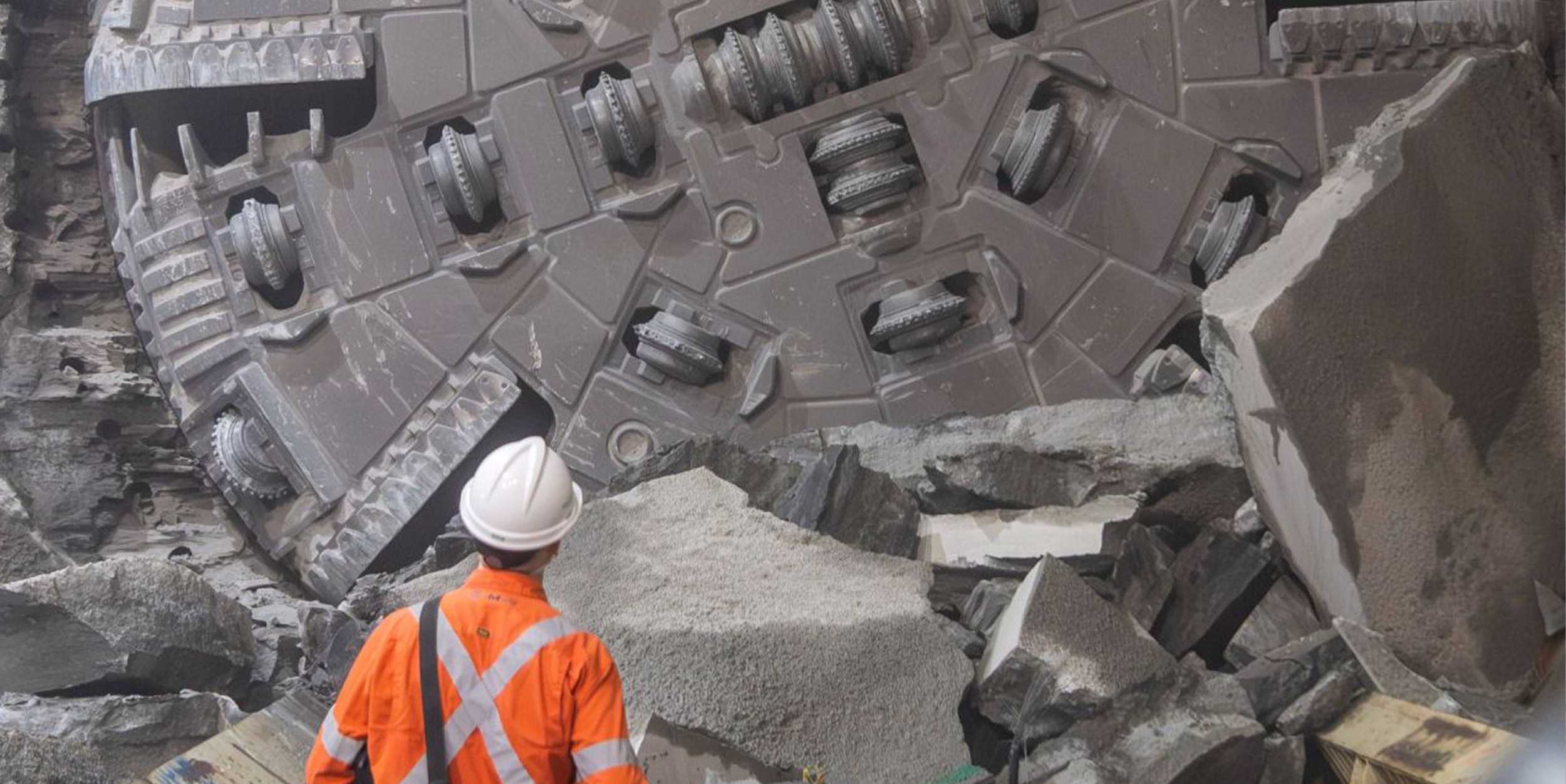
The WTP has achieved key delivery milestones, including the completion of all tunnel boring machine (TBM) excavation between Sydney Olympic Park and Westmead.
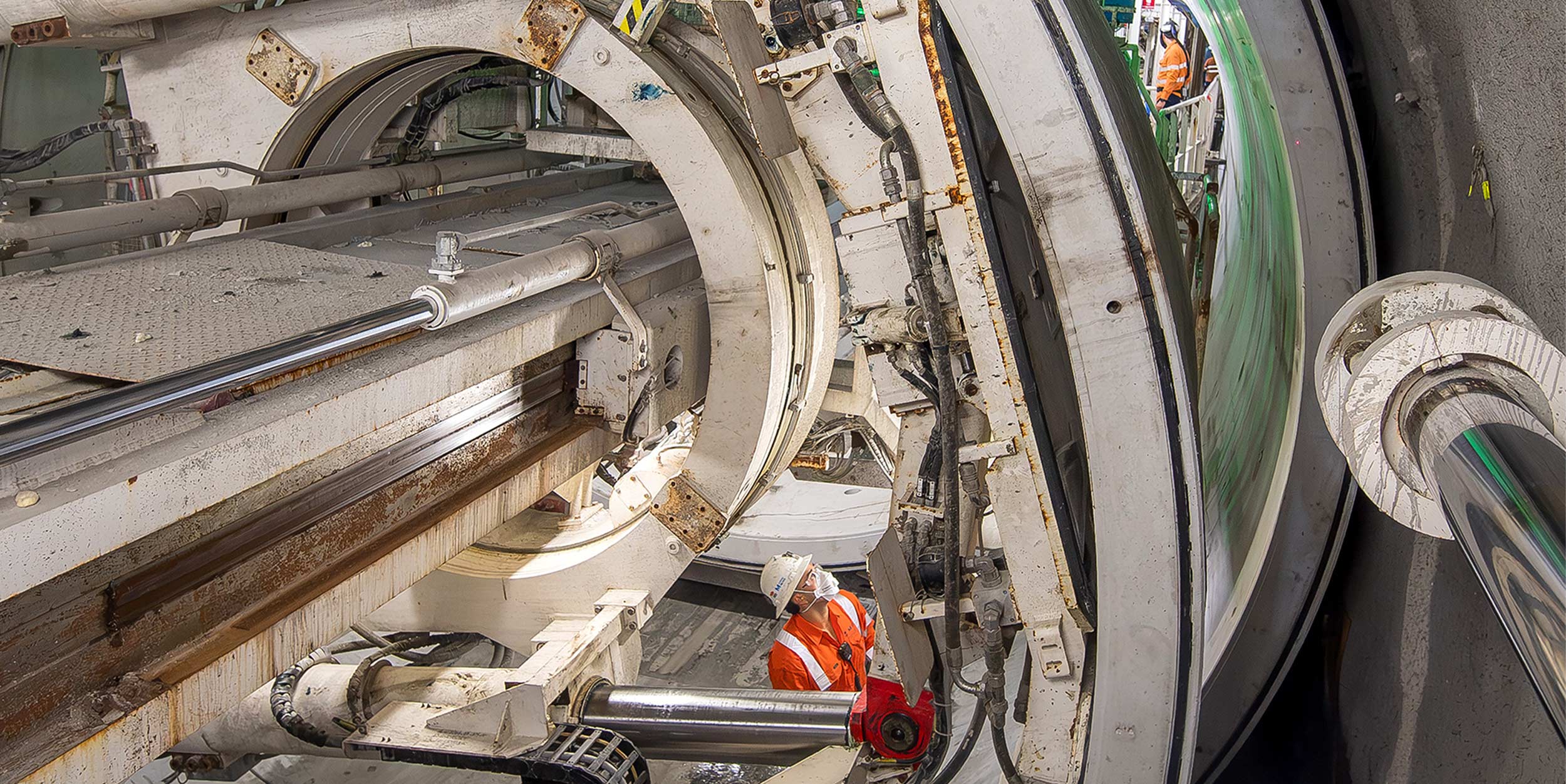
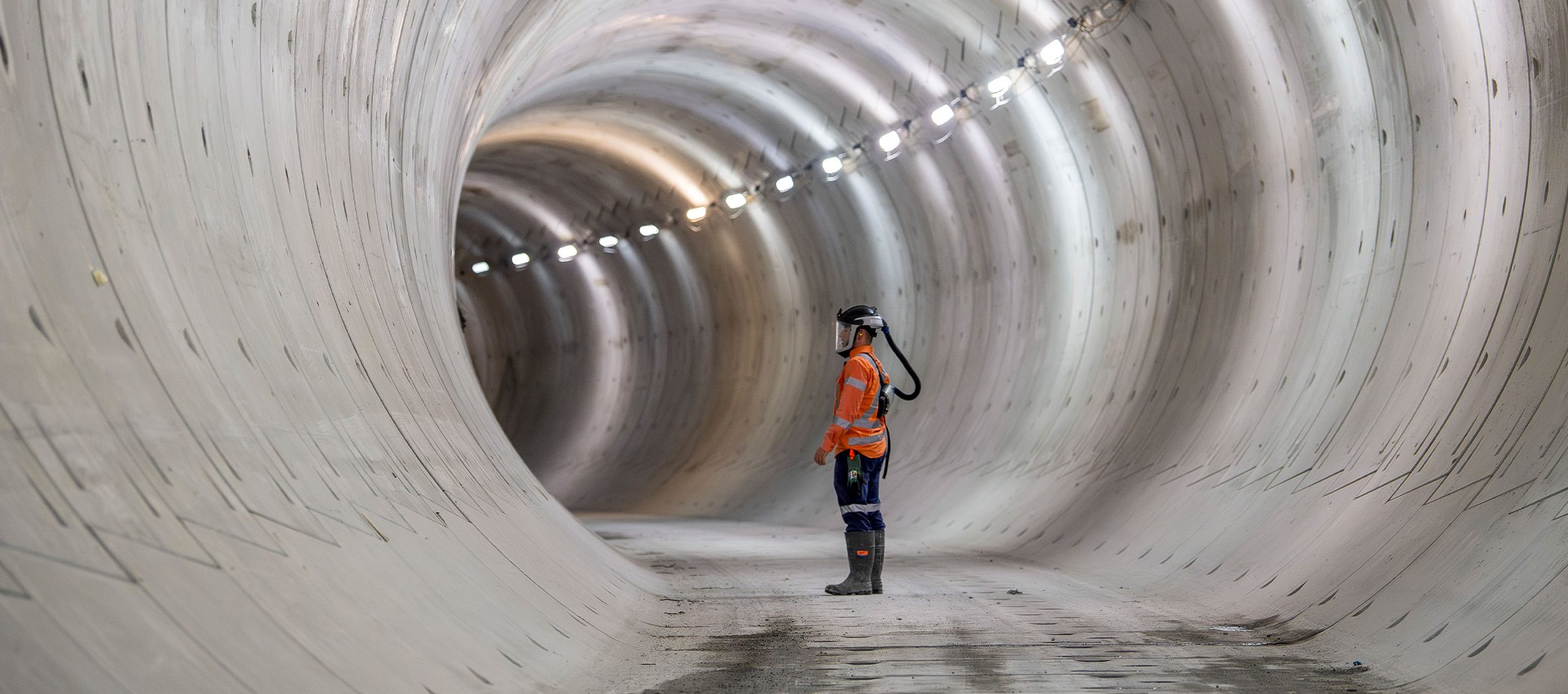
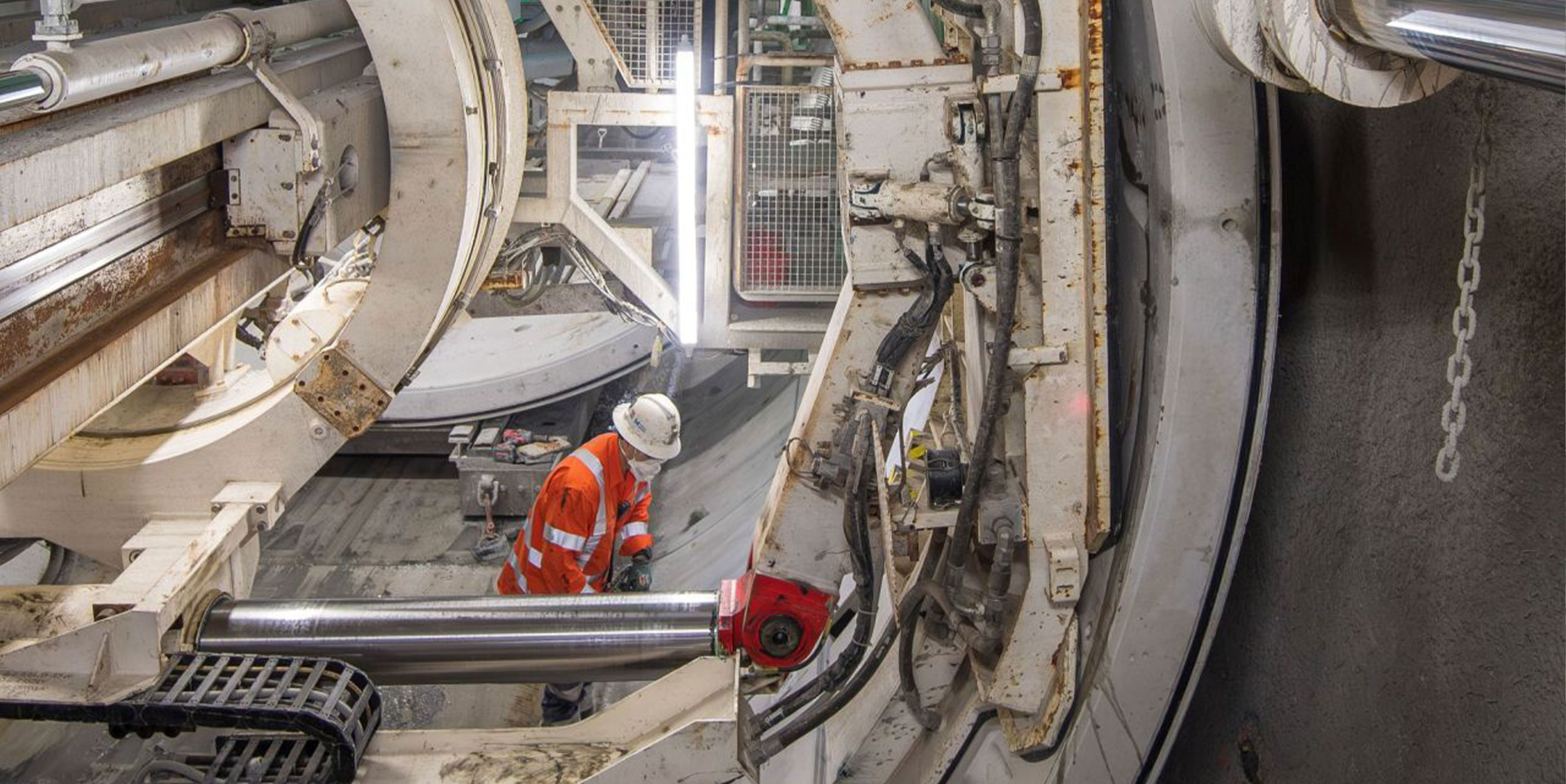
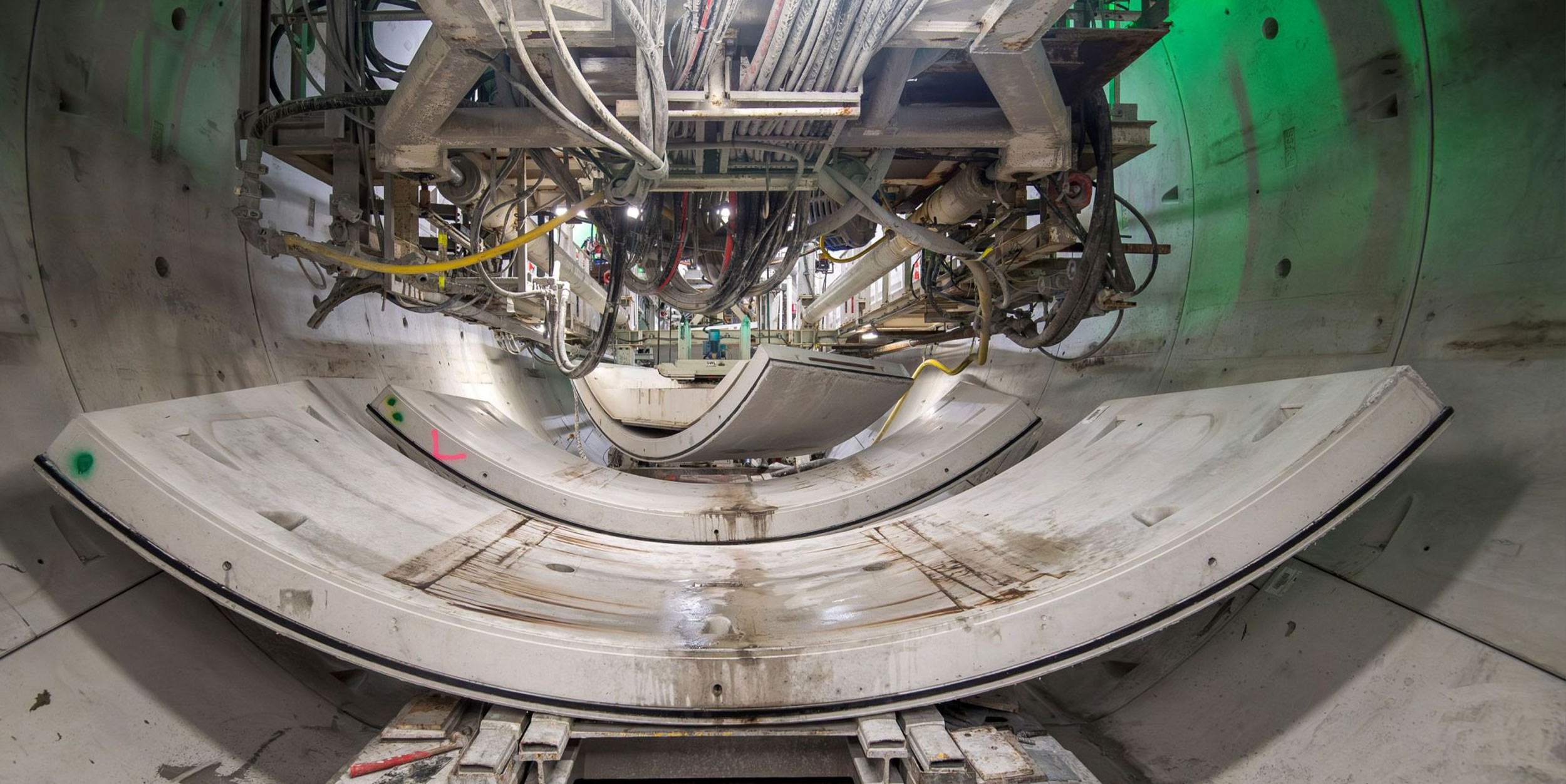
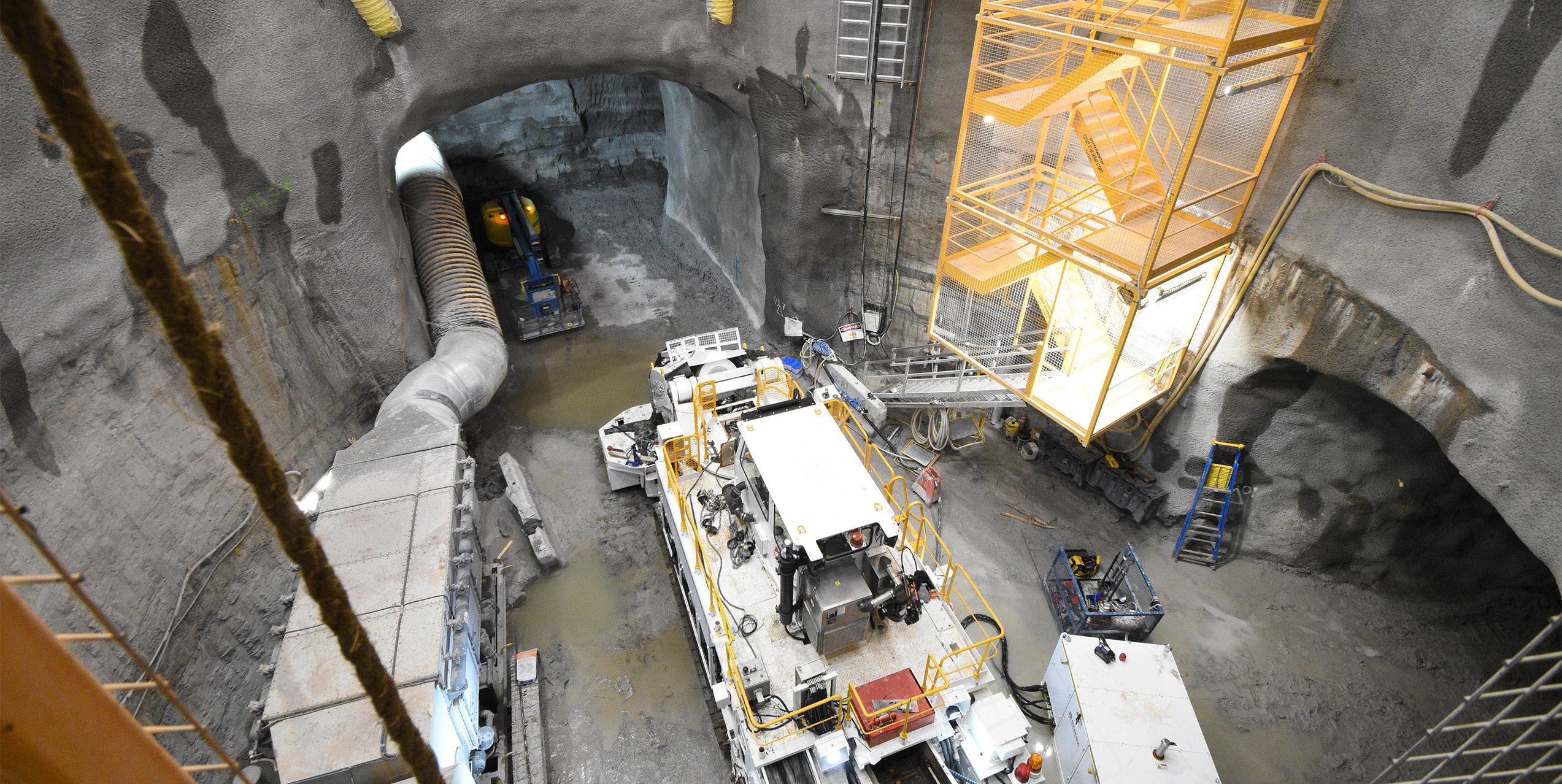
At Clyde, the project has achieved a world-first application of a custom-designed Lining Erector Machine (LEM) to install precast segmental linings within mined spur tunnels connecting the mainline tunnels to the SMF. This approach, inspired by TBM technology, replaced traditional cast-in-situ lining methods, improving construction efficiency, safety and quality while delivering a watertight finish comparable to TBM-constructed tunnels.
Segments were manufactured locally at the project’s Eastern Creek precast facility, supporting program certainty and sustainability outcomes.
As part of Sydney Metro West, the WTP provides significant benefits to the Parramatta area and has been constructed with minimal impact to local communities and surface infrastructure.
The metro network is supported by the SMF, which will serve as the operational base for the state-of-the-art driverless system.
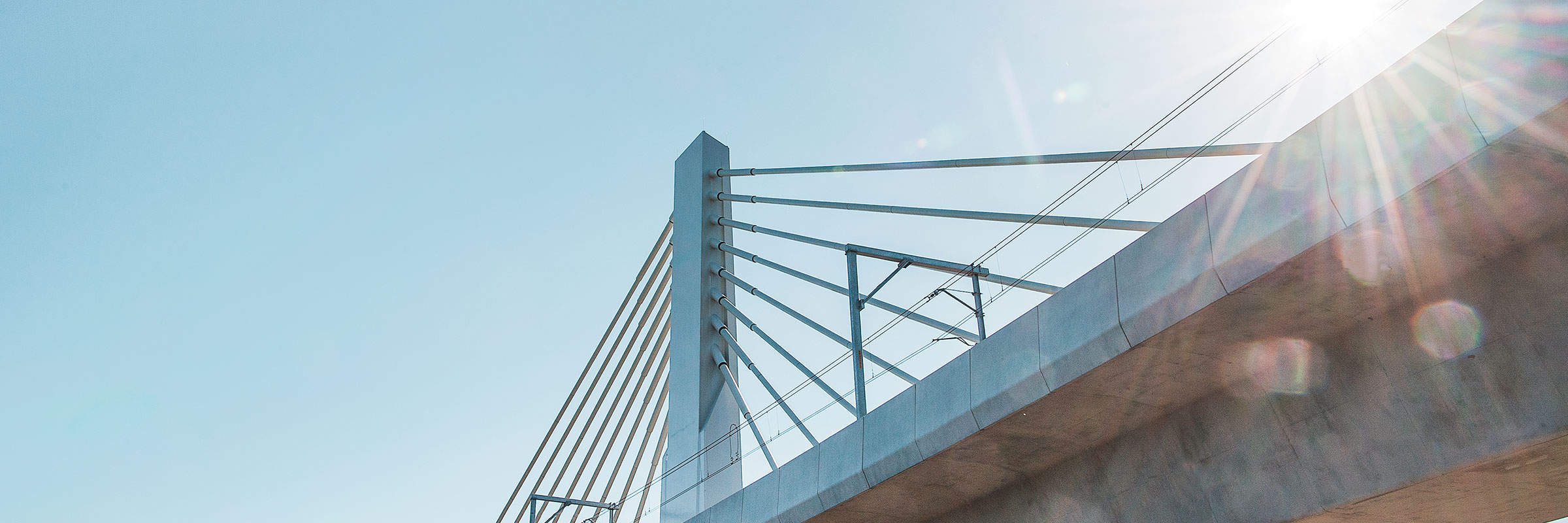
To improve connectivity while minimising disruption, the team developed an alternative access road alignment, including an overpass bridge over the railway line into the Clyde facility. This reduced the need for complex interface works with existing infrastructure and helped manage traffic impacts during construction.
The spur tunnels were strategically constructed beneath an existing 100-year-old sewer main at Clyde, maintaining a minimum one metre separation between the two assets. By tunnelling below the pipeline rather than diverting it, the project saved approximately six months of construction time and avoided relocation of the sewer.
Comprehensive 3D structural analysis was undertaken to model the alignment of both the sewer and the proposed tunnels, establishing the interaction zone between the two assets. In accordance with stringent authority design guidelines, the team demonstrated that the tunnels could be constructed safely while maintaining required clearances and keeping impacts within acceptable limits.
These tunnels were successfully excavated beneath the operational sewer. A custom LEM was then used to install precast segmental linings, replacing traditional cast-in-situ lining methods and improving efficiency, safety and quality. Tunnel segments were manufactured at the Eastern Creek facility, supporting both program certainty and sustainability outcomes.
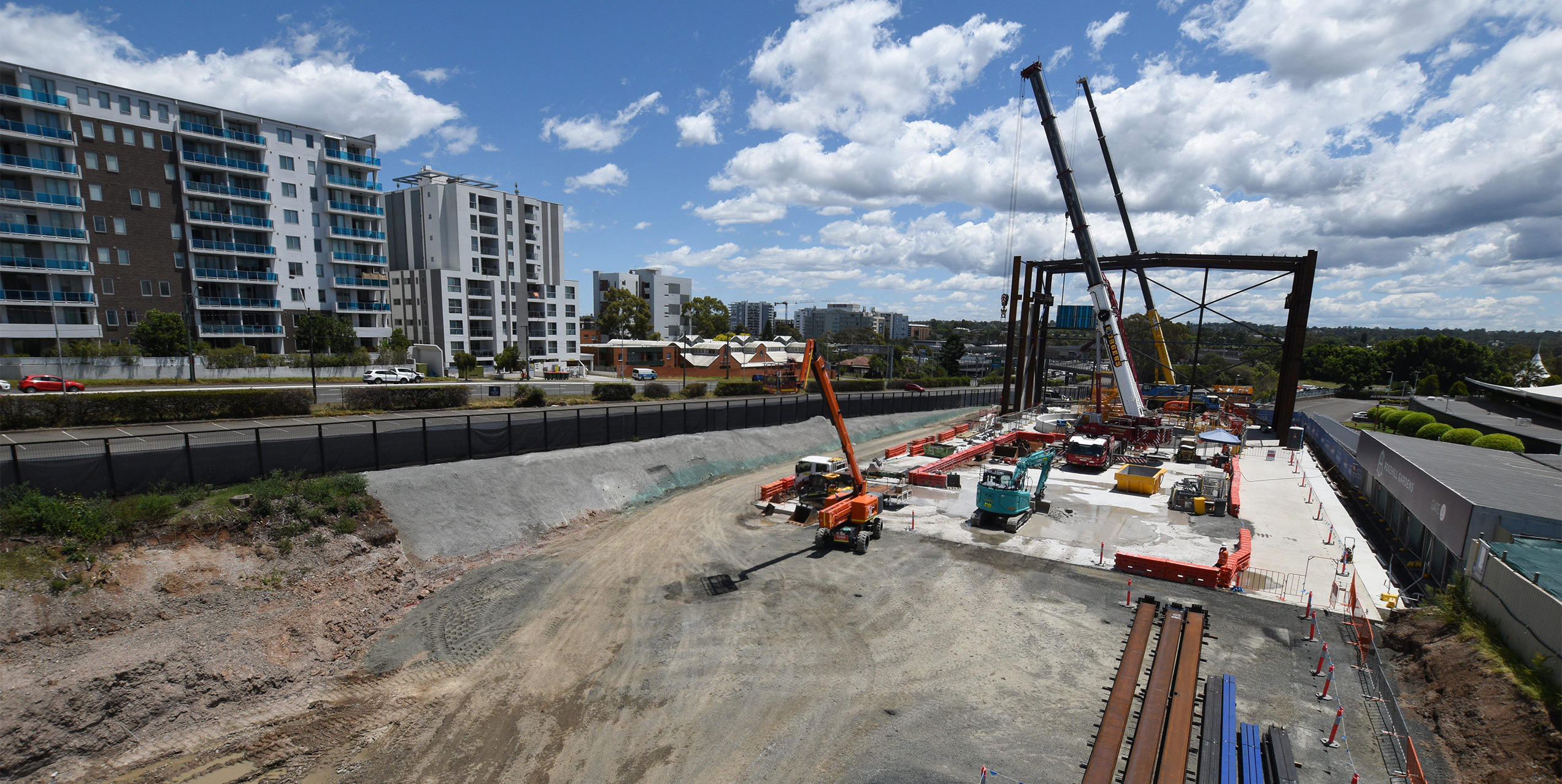
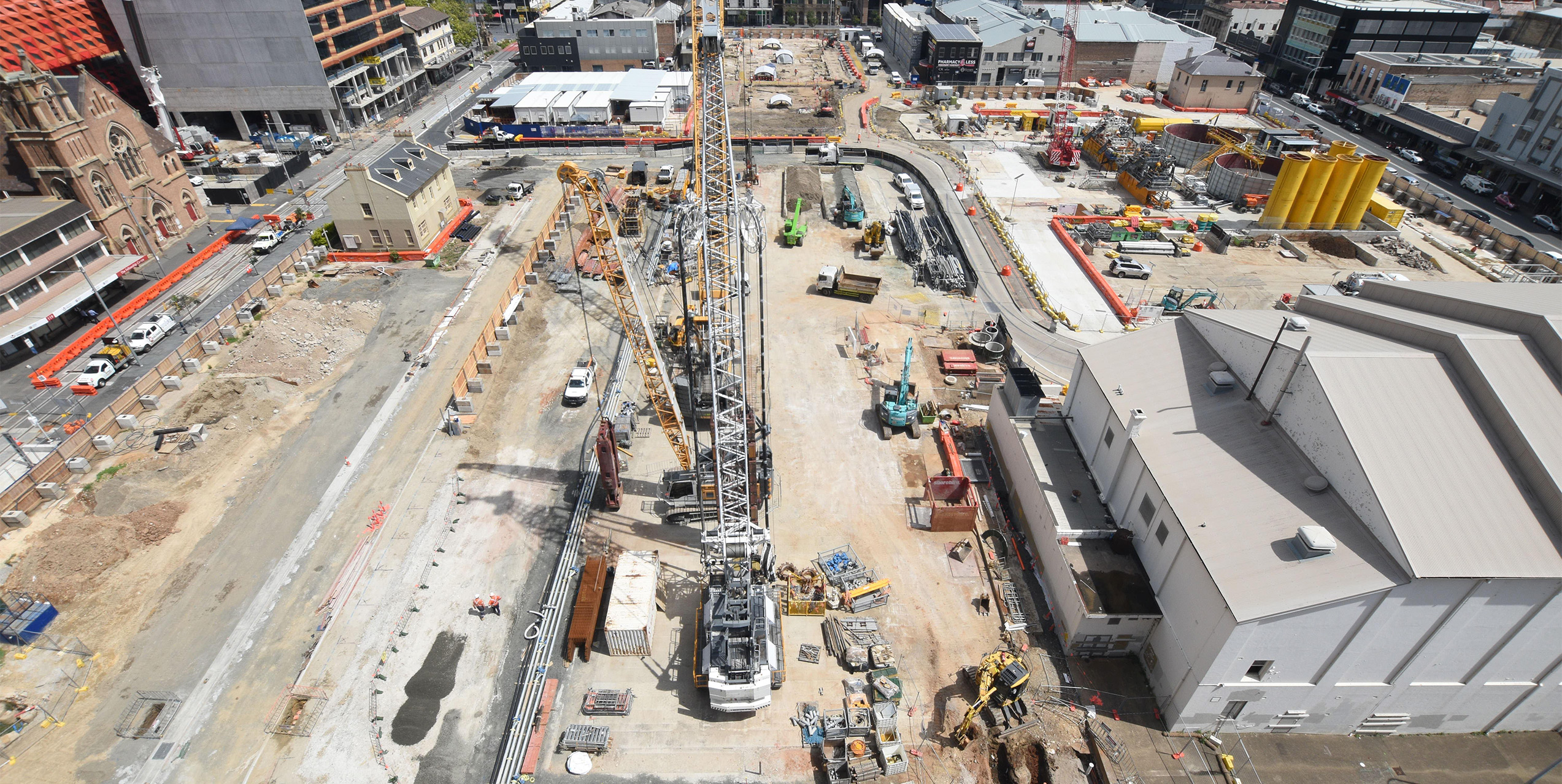
The geotechnical and structural team worked together to optimise the dive structure design. This reduced excavation volumes, removed the need for tension piles, and minimised perimeter piling.
The portal structure was also designed to integrate a services building within the footprint, reducing the overall length by approximately 60 metres without altering the alignment.
This reconfiguration delivered substantial material savings, reduced the surface footprint, and improved both sustainability and constructability results.
The team identified an opportunity to replace a temporary pile retention system with a diaphragm wall as a permanent solution. This innovation reduced concrete quantities and improved sustainability by minimising materials that would otherwise become redundant following completion of the station box excavation.