
Maryborough Flood Levee Remediation Project


From the early pioneers on the Snowy Mountains Hydroelectric Scheme, to our leaders and innovators of today, our people make us who we are.
Through our network of global specialists and by collaborating with local partners, we connect you with the best teams and capabilities to deliver highly innovative and sustainable solutions.
As an organisation we are continually evaluating ways we can better provide a safe, flexible, inclusive and respectful workplace for our people and clients.
People are at the heart of our organisation, we strive to create a flexible, diverse and inclusive environment that enables our people to thrive to their fullest potential.
Explore career opportunities
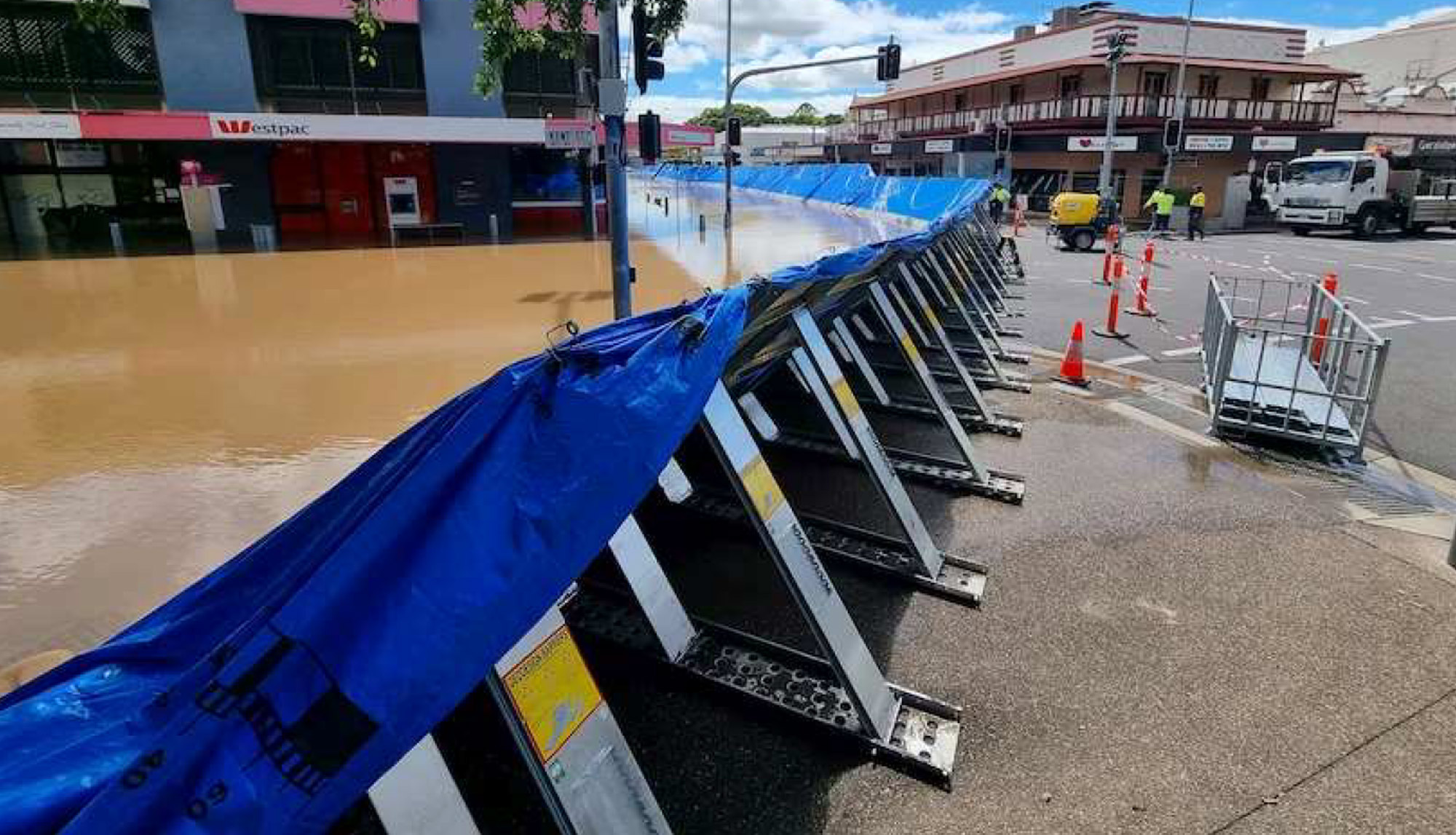
The idea of rectifying and reinstalling the original gate was abandoned due to challenges in reattaching the guide rails and reducing deflection in the original penstock. As a result, a custom design based on first principles was necessary. While SMEC developed a new temporary solution from scratch, a three-dimensional finite element (FEA) model was created to analyse the original issue and determine how to strengthen the new gate, minimising the risk of failure.
Real-time collaboration on the model and the fabrication of the new solution, as the design evolved, played a crucial role in identifying a simple yet effective design. Strengthening measures were applied to the back plate and reinforced side support to reduce the deflection of the penstock plate against the existing seal, resulting in a safe, climate-resilient solution for the future of Maryborough.
The project provided more valuable insights on the functionality and failure modes of penstock gates. It also highlighted ways to prevent future failures. Key factors included how the gates fit into their frames, plate deflection under pressure, the effectiveness of gate support systems, and the challenges of testing these gates before they are put into service, especially since it’s not possible to test them against flood loads prior to a flood event.
After its initial failure, the levee’s success (with the new design solution) gained national attention from the media, community, and political stakeholders as a ‘remarkable comeback story’.
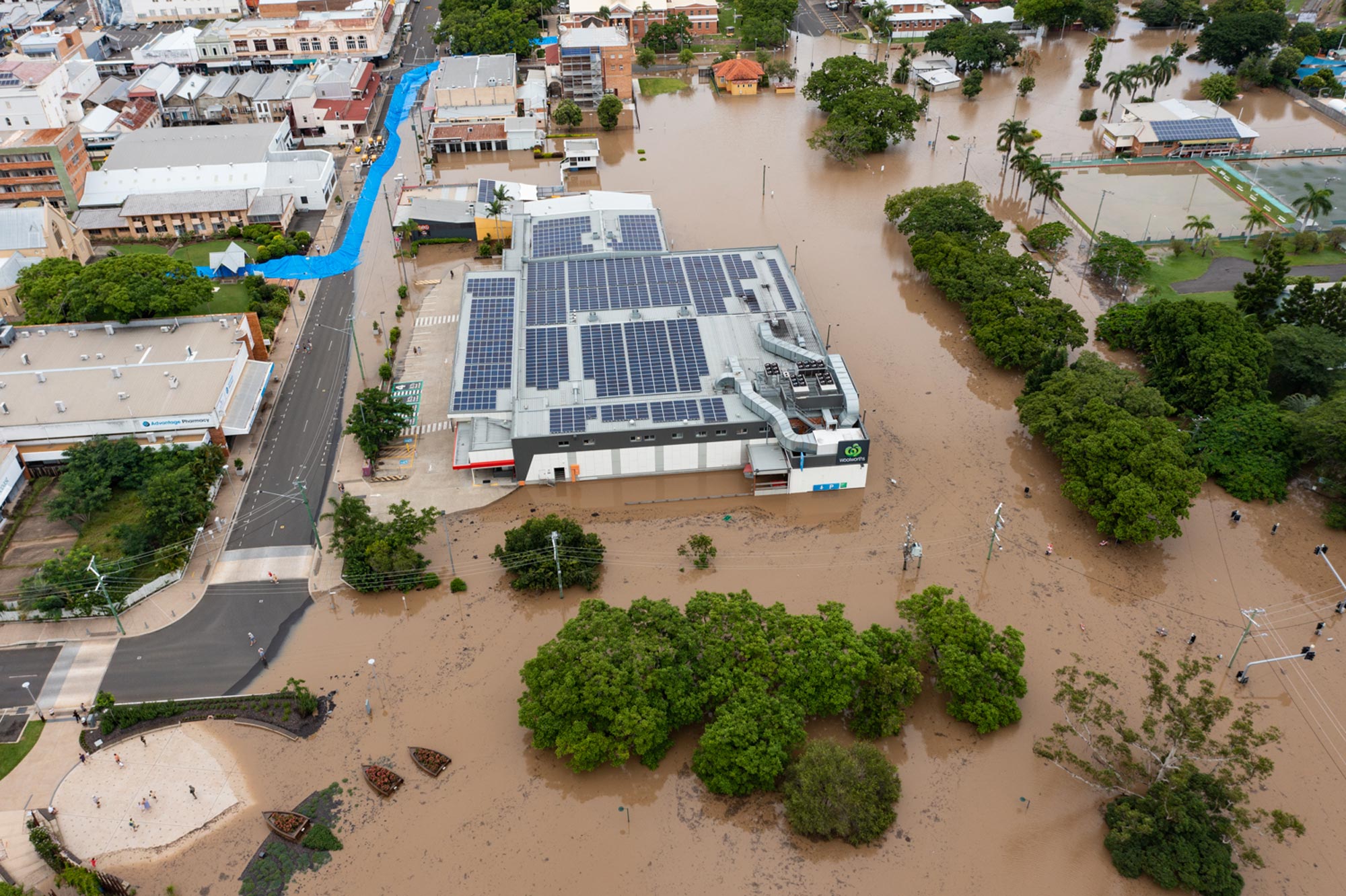
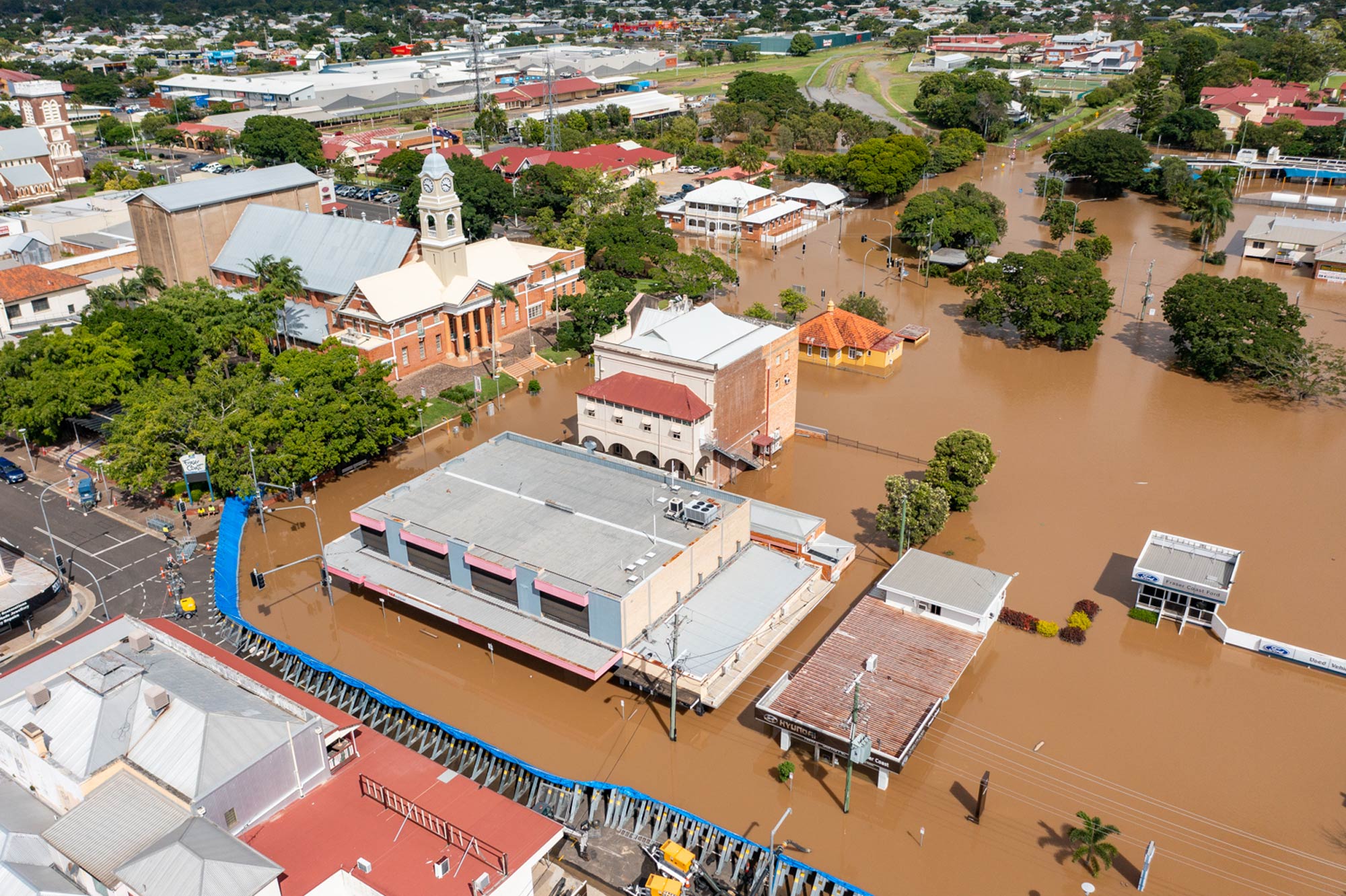
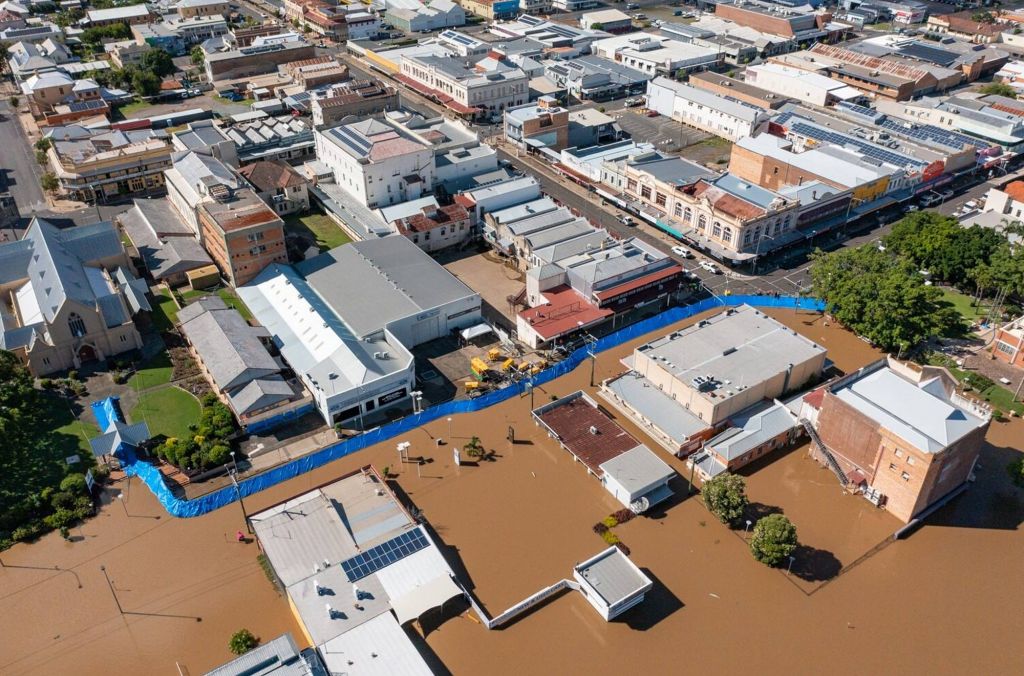
In only 6 weeks, the project was completed and tested. Soon after completion, Maryborough had another major rain event that put the solution to the test. SMEC’s solution effectively prevented flooding in Maryborough’s CBD, protecting 86 properties, including many local businesses and delivered significant economic benefits by preventing flood damage and associated repair costs, while also ensuring the health and safety of FCRC staff and contractors by mitigating the risks linked with flood clean-up and repairs.
The project was underpinned by strong collaborative leadership from Davendra, Director, Infrastructure Services at Fraser Coast Regional Council (FCRC), who drove the accelerated delivery timeframe and facilitated the development of operational solution concepts, and Tim MacConnel, SMEC Project Director, who brought extensive flood risk and mitigation expertise, a collaborative approach and specialist team capability to translate these concepts into a practical solution delivered within six weeks.
SMEC continues to deliver climate-resilient, practical solutions, underpinned by extensive expertise in water resource management and civil water infrastructure projects across Queensland and Australia with multidisciplinary teams that bring together deep technical knowledge and local experience to address complex water and flood risk challenges, strengthening community resilience and delivering infrastructure solutions that stand the test of time.