
Western Sydney International Airport Landside Civil and Building Works Package


From the early pioneers on the Snowy Mountains Hydroelectric Scheme, to our leaders and innovators of today, our people make us who we are.
Through our network of global specialists and by collaborating with local partners, we connect you with the best teams and capabilities to deliver highly innovative and sustainable solutions.
As an organisation we are continually evaluating ways we can better provide a safe, flexible, inclusive and respectful workplace for our people and clients.
People are at the heart of our organisation, we strive to create a flexible, diverse and inclusive environment that enables our people to thrive to their fullest potential.
Explore career opportunities
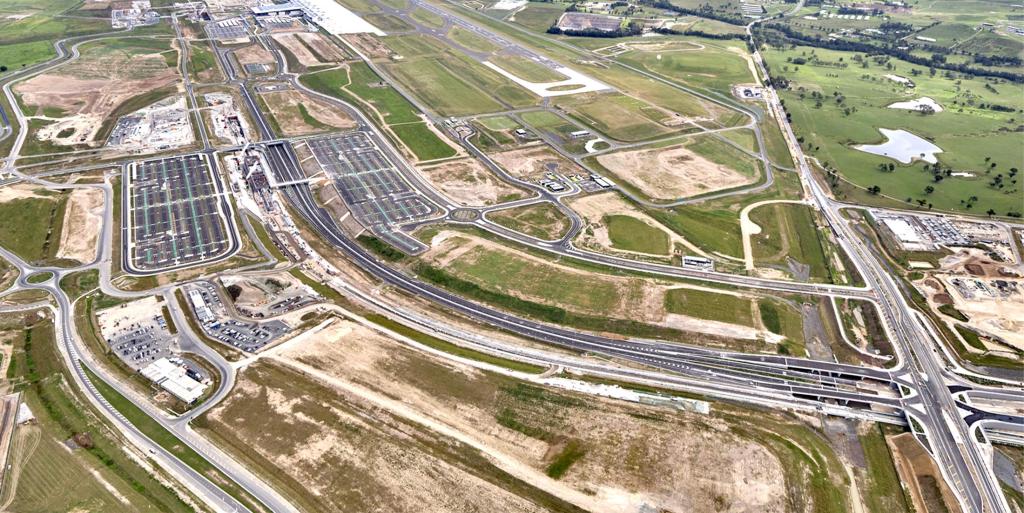
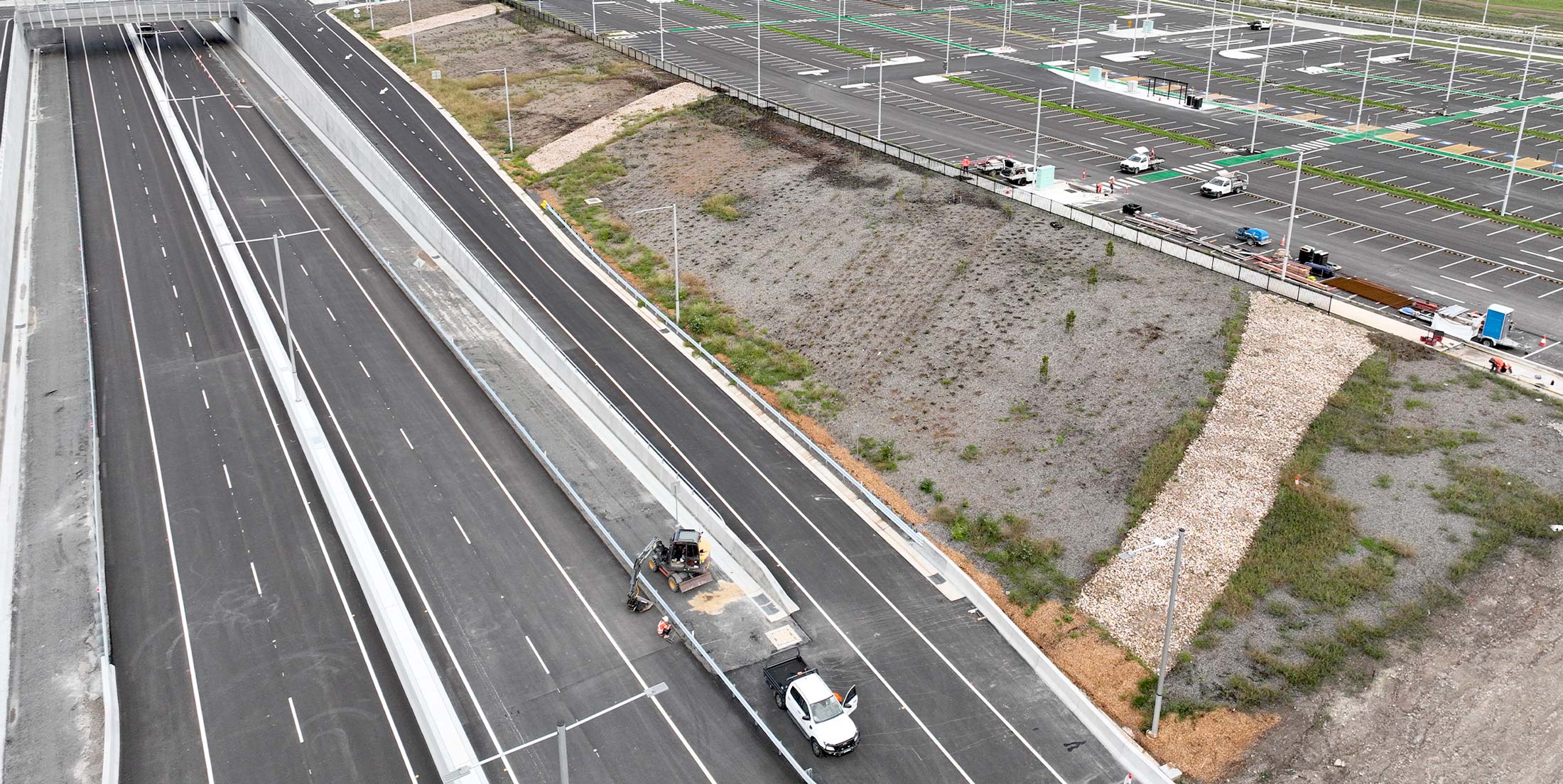
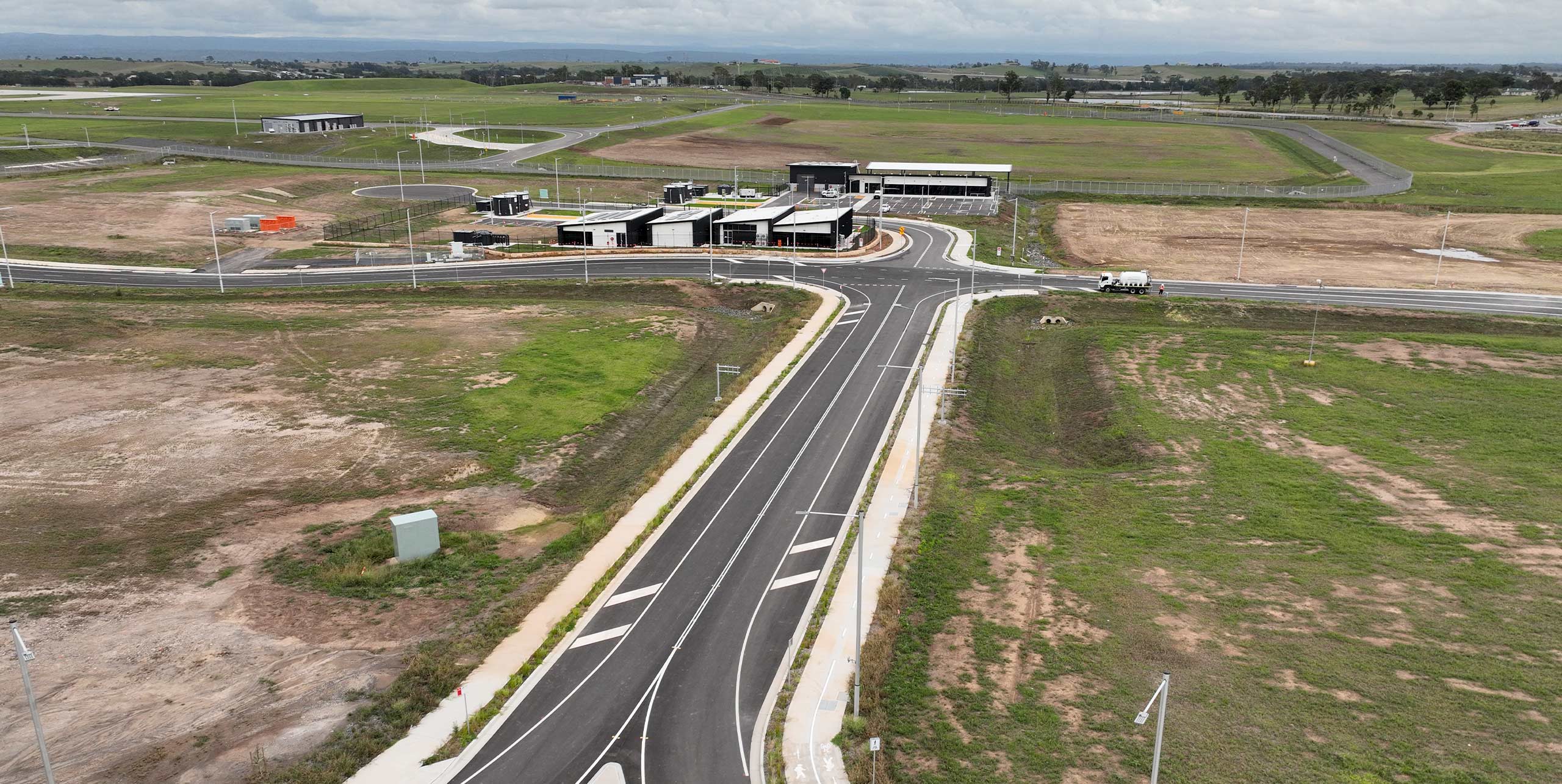
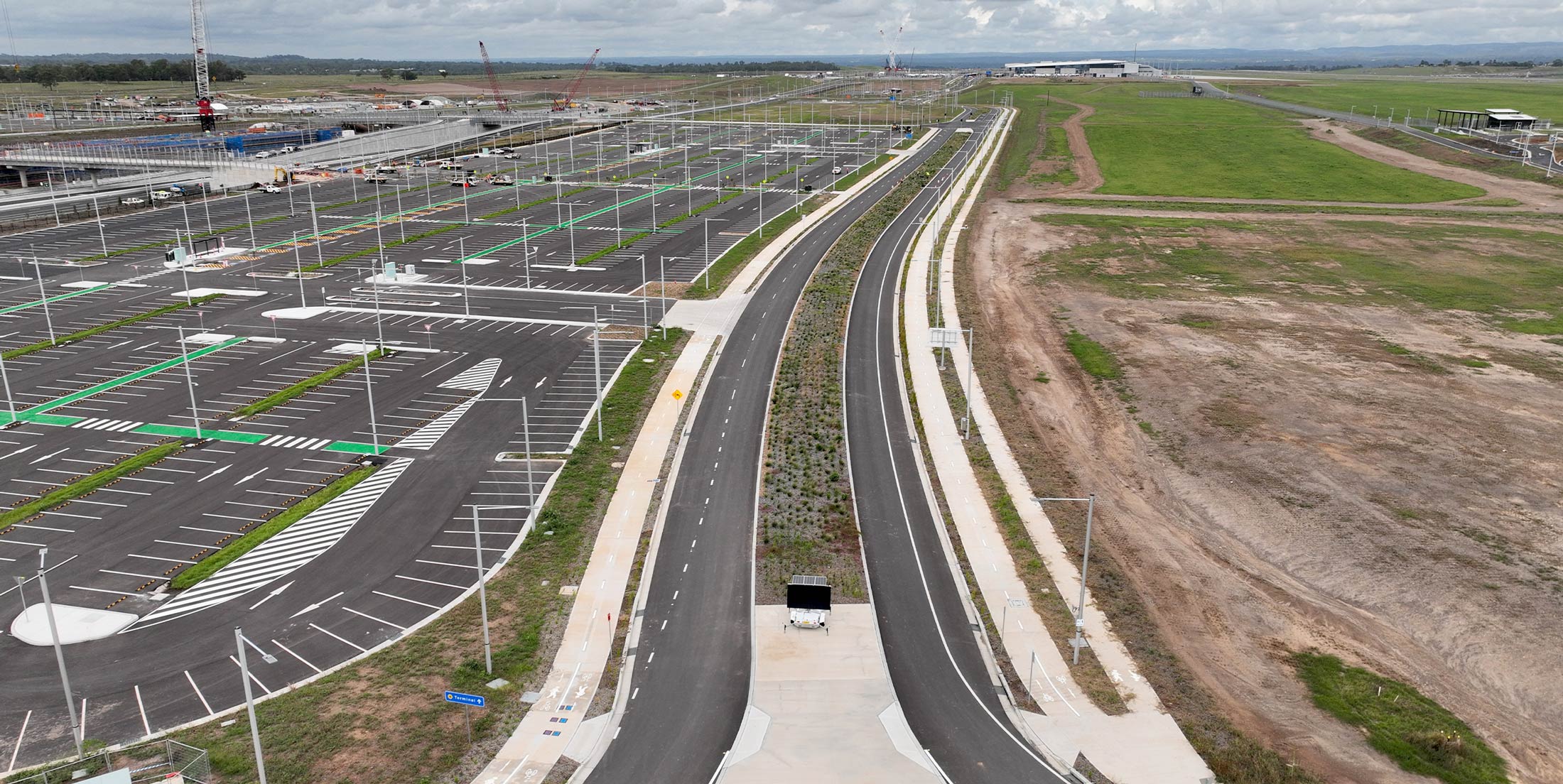
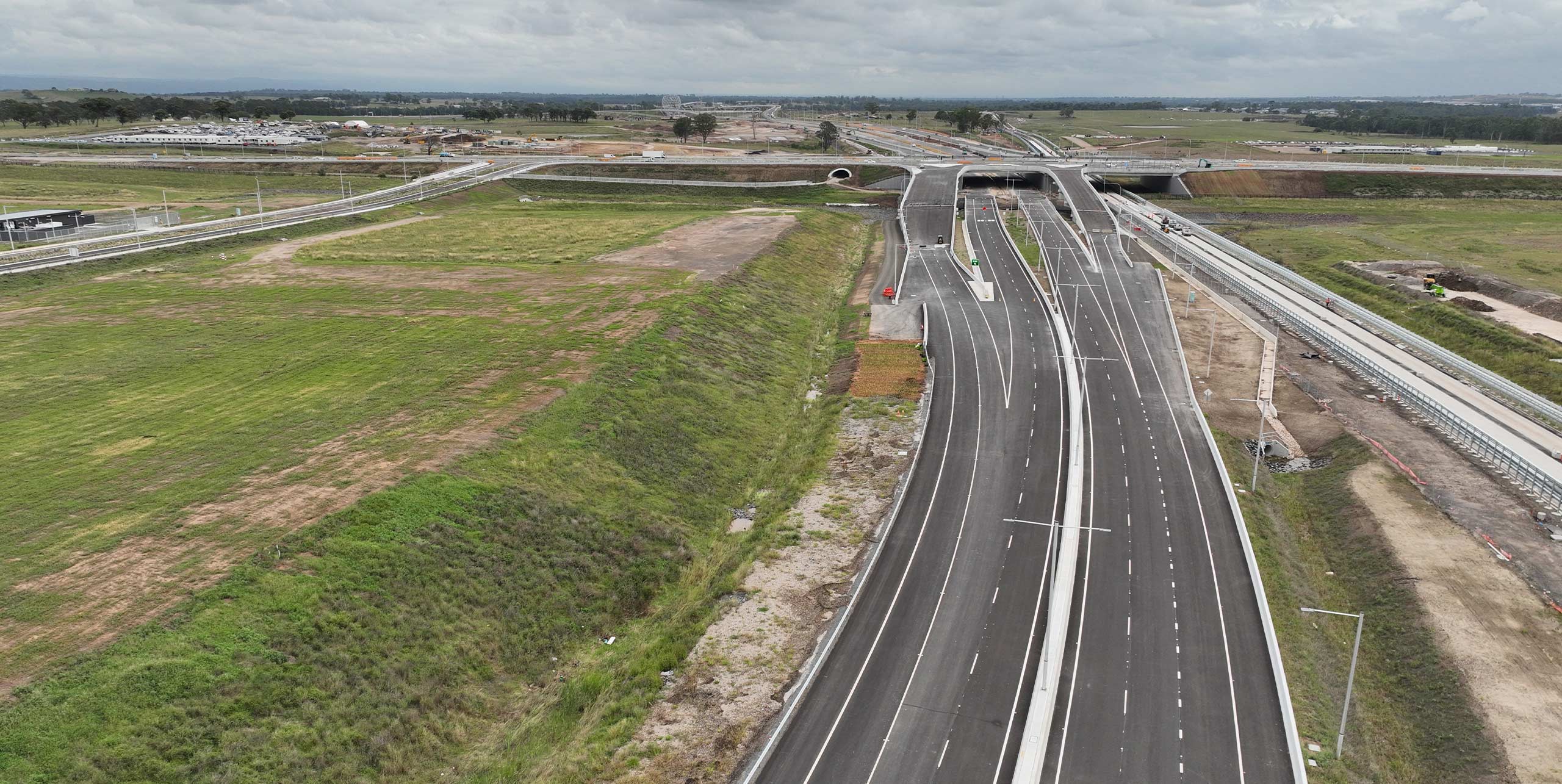
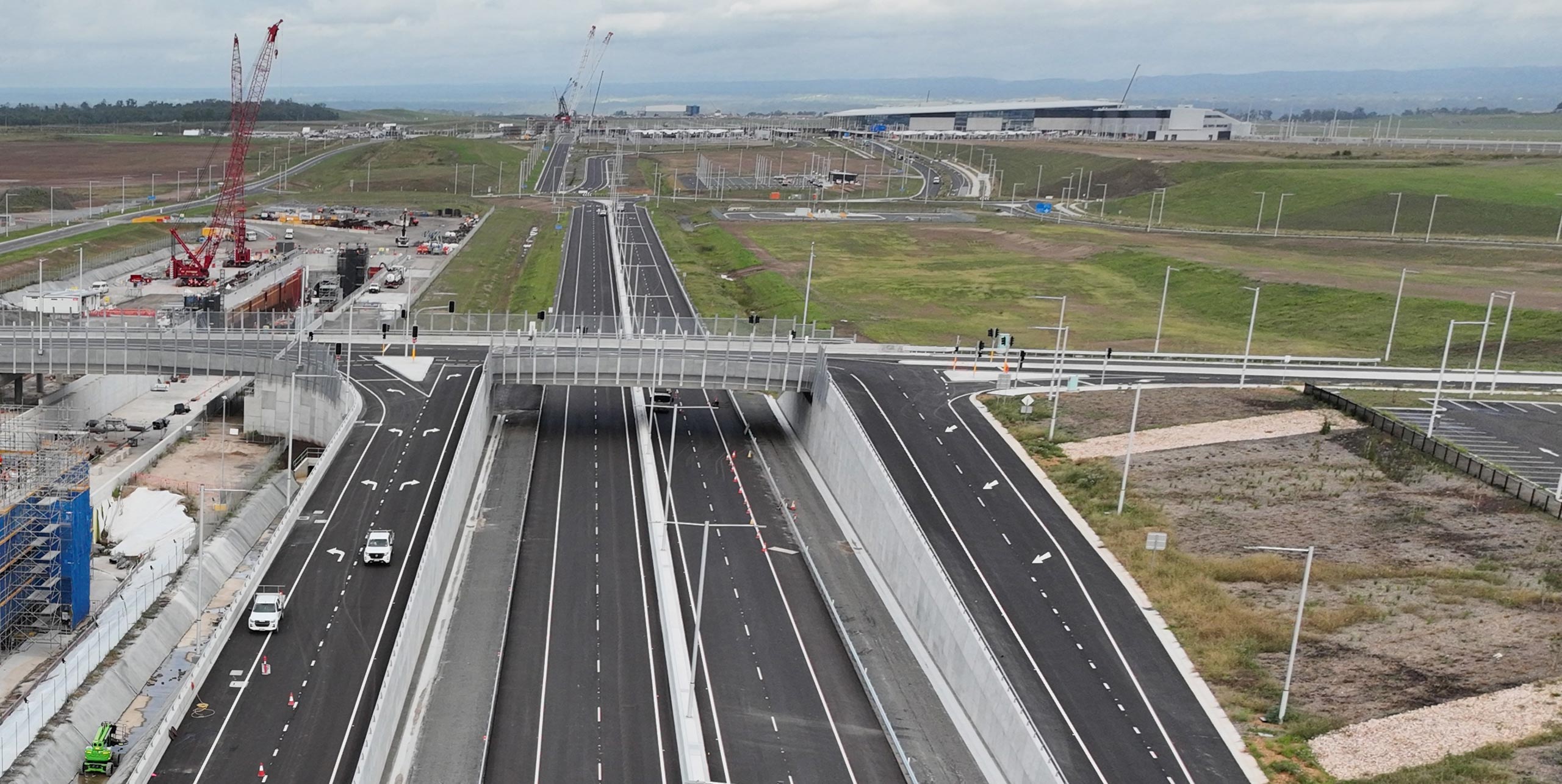
The design of the landside civil and building works package commenced in January 2022. When the design phase was completed in March 2023, SMEC continued on the project to assist AeroWest during the construction phase for RFI’s and numerous design changes. The construction of the landside civil and building works package was completed in June 2025. WSI will be open for operation in the second half of 2026.
The project also included multiple critical ancillary buildings including the Airport Operation and Maintenance Facility, Airport Operation Controls Centre, Main Access Gate, and Airport Waste Facility; streetlighting for over 700 smart-poles and luminaires; landside HV electrical and communications infrastructure; one water complex design supplying water to the airport sitewide and three sewage pumping stations.
The new Western Sydney International Airport is not an isolated initiative facilitating growth for the Western Sydney region. It is an integral part of the wider Greater Sydney Region Plan—A Metropolis of Three Cities—that will see Western Sydney become the third epicentre of jobs, amenity, growth, and infrastructure alongside the current two established city hubs—Eastern Harbour City, focused on the Sydney CBD, and Central River City, focused on Parramatta.
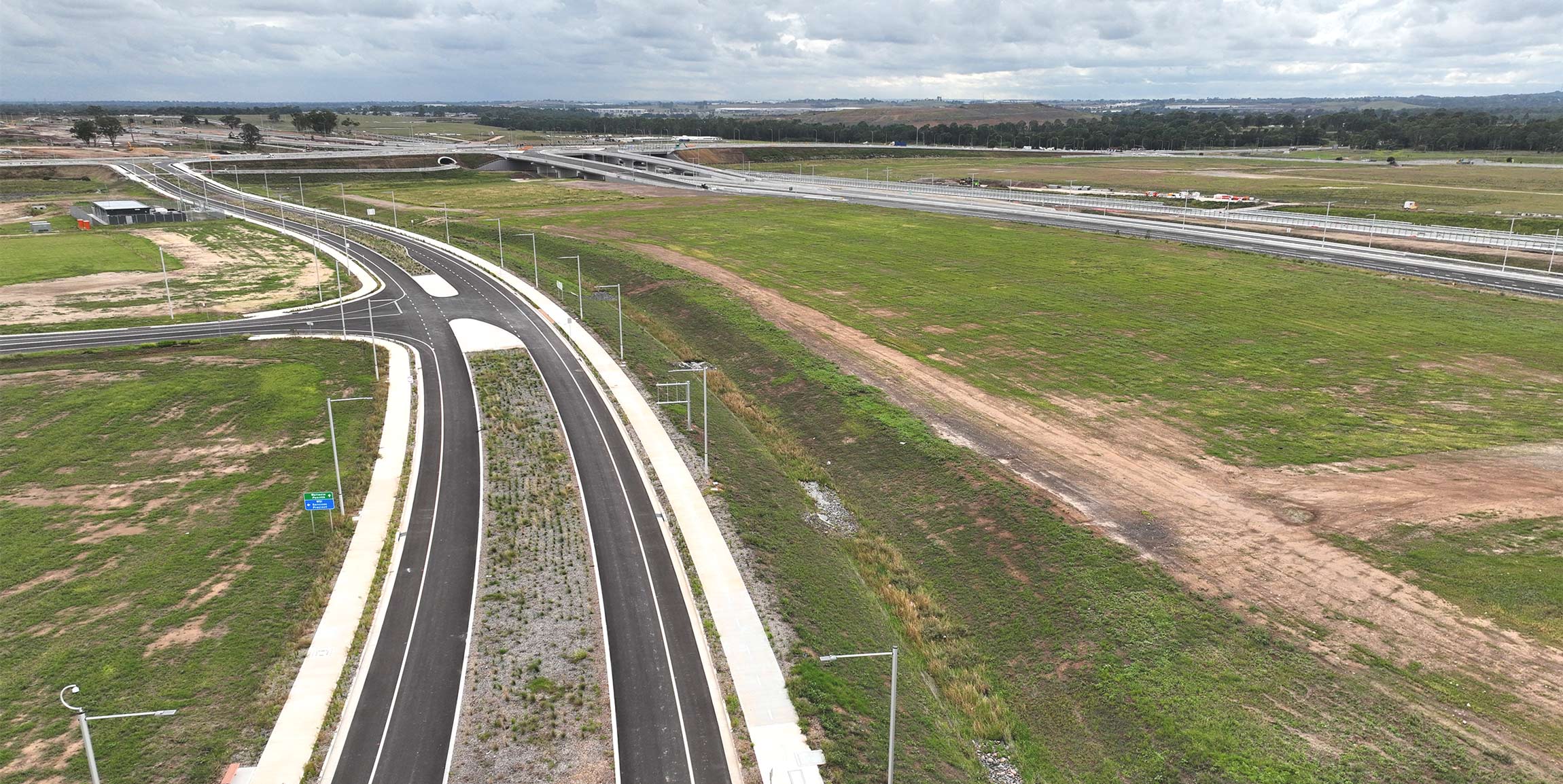
Performing the role of the public entry to the Western Sydney International Airport, one of the unique requirements of the WSI landside civil and building works package was to support the integration of three other adjacent and complementary infrastructure projects: the Western Sydney Aerotropolis Precinct, an economic hub that will surround WSI , the Sydney Metro–Western Sydney Airport rail link, which will connect the airport to the Sydney rail network , and the M12 West Package which will cater to the area’s projected increase in traffic and connect the airport’s arrivals loop to the motorway network via Elizabeth Drive.
When fully operational, the combined airport, surrounding commercial precinct and road and rail links will be a catalyst for future jobs, economic growth, and prosperity in the region. Western Sydney International Airport is forecasted to support 6,000-8,500 airport jobs by the time passenger numbers reach 10 million annually around 2033.
The Western Sydney International Airport will initially have a single terminal and a single runway with the capacity to handle 10 million passengers per year. There are plans for the airport to be expanded in the future to four terminals and two runways, to accommodate the 2063 projection of up 82 million passengers annually.
SMEC’s team delivered the landside civil and building works design with this future growth in mind, building in a future-proof expansion options including:
The landside civil and building works site for this project occupies a large parcel of land with multiple functional requirements, presenting a complicated challenge of designing for aesthetics, practical use, cost effectiveness and environmental stewardship. To address this challenge, the SMEC team recommended a variety of sustainability solutions across the project, including:
Hydromulching—a land rehabilitation and erosion control technique that involves spraying a slurry mixture onto soil surfaces to promote vegetation growth—was employed to both ensure the proliferation of plant species from the local area, and to provide an efficient and cost-effective way to stabilise the embankments outside of the enhanced landscape areas.
Along the footpaths, the choice and positioning of trees and surrounding vegetation serve as a sustainable approach to reduce heat island effect and provide a more comfortable experience to pedestrians. Alongside the roads, a different choice of frangible vegetation—trees and shrubs with low mass and density—was recommended to provide the additional safety benefits of impact absorption to help minimise harm to vehicle occupants and pedestrians in the case of an accident.
Extensive flood modelling was carried out to ensure the site met the stringent requirements of the SWTC, Functional Specifications, Rail Interface Design and Environmental Documents (EIS). Tuflow modelling was undertaken to analyse waterflow across the landscape and drainage systems for the project site and the interfaces with all key adjacent projects—the Terminal, all Airside components, the Sydney Metro rail system, and the connecting M12 motorway. Based on this analysis, and with the natural urban water cycle in mind, several stormwater, groundwater and wastewater solutions were designed and installed to ensure the airport as a whole positively contributes to the local ecology, now and into the future, including:
SMEC’s design team conducted a thorough Material Reuse Assessment which highlighted a number of cost saving and environmentally responsible initiatives that were implemented across the site:
The Landside Civil and Building Works component of Western Sydney International Airport involved delivery of 35 separate design packages, spanning all disciplines from roads and drainage to buildings and services. The project required close coordination with six other major infrastructure interfaces: the Airside and Terminal works packages; three separate Sydney Metro rail projects; and the M12 West Package.
Each interfacing contract was at different design stages, requiring complex, multi-project coordination and stakeholder engagement to ensure the works of all packages aligned and complimented each other. This multi-project coordination was intensified by the need to interface with high-level stakeholders, each playing a critical role in the delivery and regulation of national infrastructure. These included the project owner, WSI, key local and federal government agencies, Transport for NSW, Sydney Metro, the Australian Government, and the Department of Home Affairs/Australian Border Force and major regulatory authorities CASA (Civil Aviation Safety Authority) and Airport Building Controller (ABS).
To manage this complexity, the Design and Construction teams were co-located at SMEC’s North Sydney office throughout the design and initial stages of construction. This fostered a strong collaborative environment between designer, contractor, and client. The close partnership enabled early issue resolution and effective management of stakeholder and project complexities, while also deepening the design team’s understanding of the client’s objectives and led to development of cost-effective design alternatives including:
SMEC is dedicated to supporting our clients deliver key infrastructure globally and locally. Our team of specialists are bringing their extensive expertise to help prepare the state for future growth, delivering various sections and roles of the Sydney Metro, road projects including NorthConnex, Sydney Gateway, Stage 1 and Stage 2 of Sydney’s M6 Motorway and the Western Harbour Tunnel.