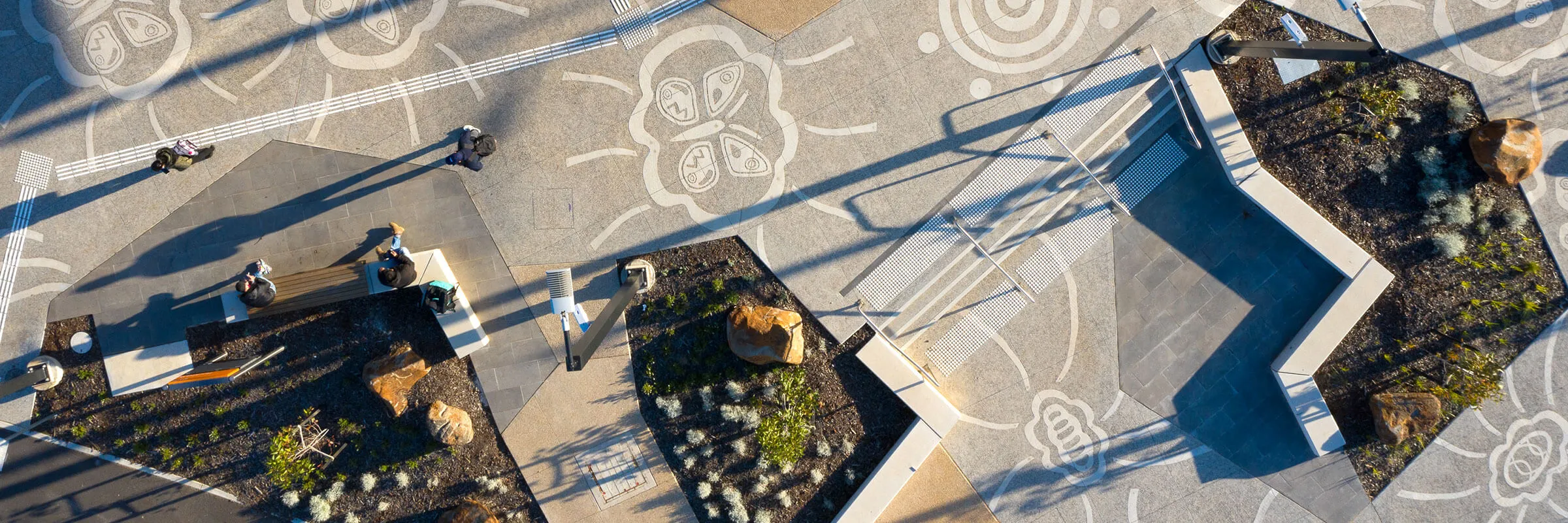

Metro Tunnel Project


From the early pioneers on the Snowy Mountains Hydroelectric Scheme, to our leaders and innovators of today, our people make us who we are.
Through our network of global specialists and by collaborating with local partners, we connect you with the best teams and capabilities to deliver highly innovative and sustainable solutions.
As an organisation we are continually evaluating ways we can better provide a safe, flexible, inclusive and respectful workplace for our people and clients.
People are at the heart of our organisation, we strive to create a flexible, diverse and inclusive environment that enables our people to thrive to their fullest potential.
Explore career opportunities
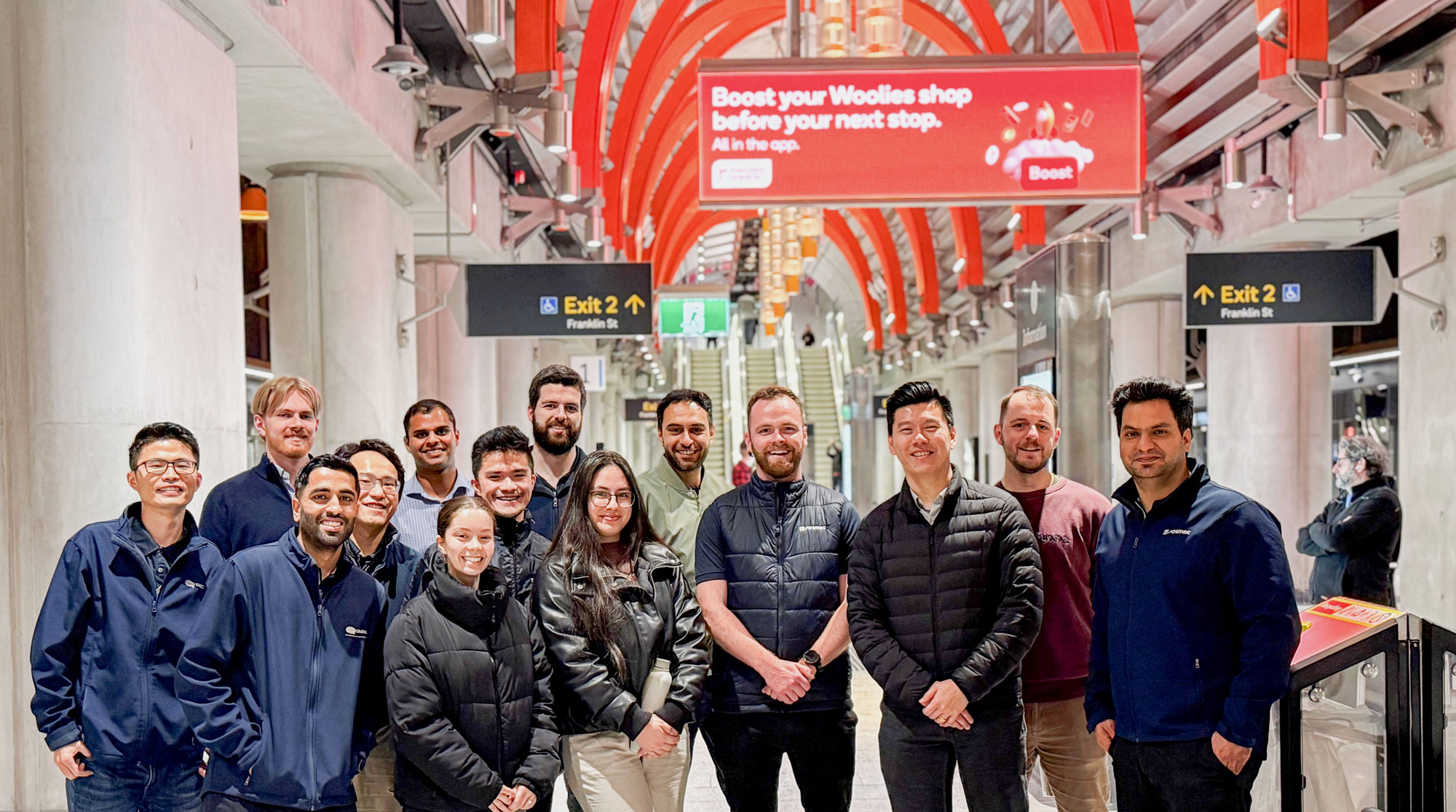
SMEC was engaged by the Cross Yarra Partnership Consortium, comprising Lendlease, John Holland, Bouygues Construction, John Laing and Capella Capital, to provide proof engineering services across the Metro Tunnel Project (tunnel and stations). Working in close partnership with the Victorian Government, the consortium and delivery teams, SMEC supported the project from early design through to construction, helping assure technical integrity.
Since opening on 30 November, more than 500,000 passengers have experienced the new stations and services, marking a major step in Melbourne’s transport transformation. Large metropolitan rail projects of this scale require close collaboration, shared technical understanding, accountability and trust across designers, contractors and client teams. The Metro Tunnel Project demonstrates how integrated engineering and collaborative delivery models can successfully manage complexity beneath a dense urban environment, setting a benchmark for how major metropolitan infrastructure can be planned, assured and delivered in the future.
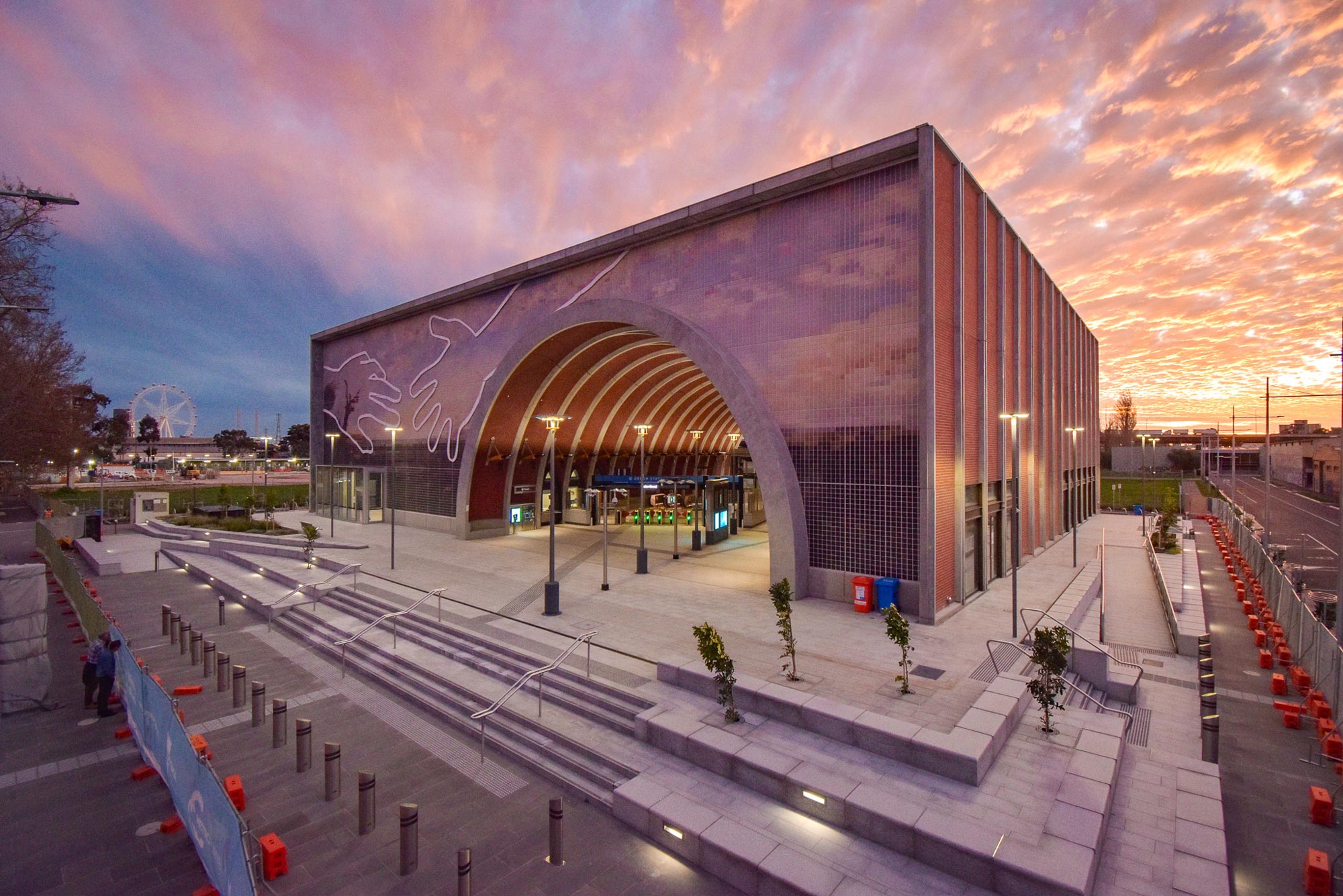
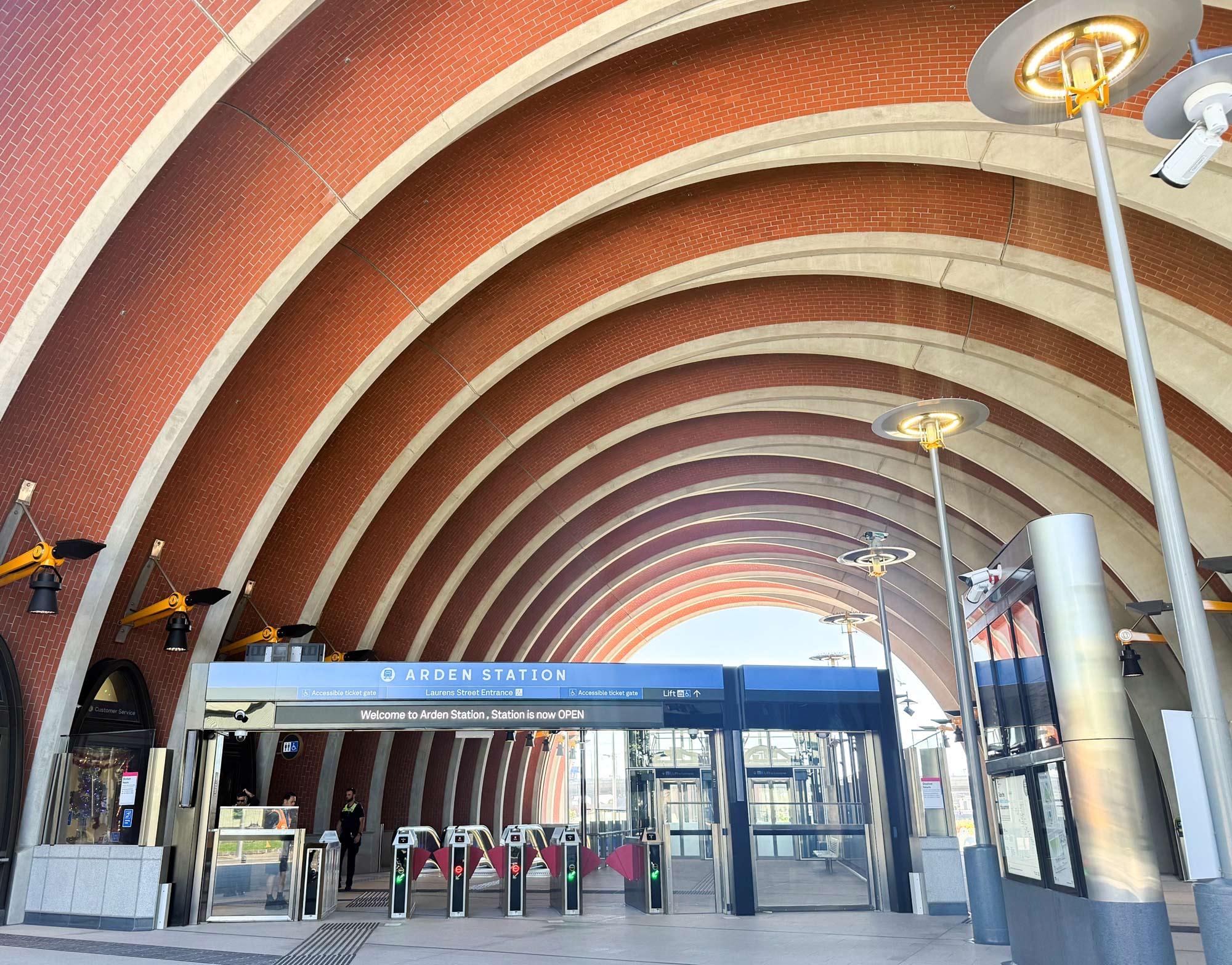
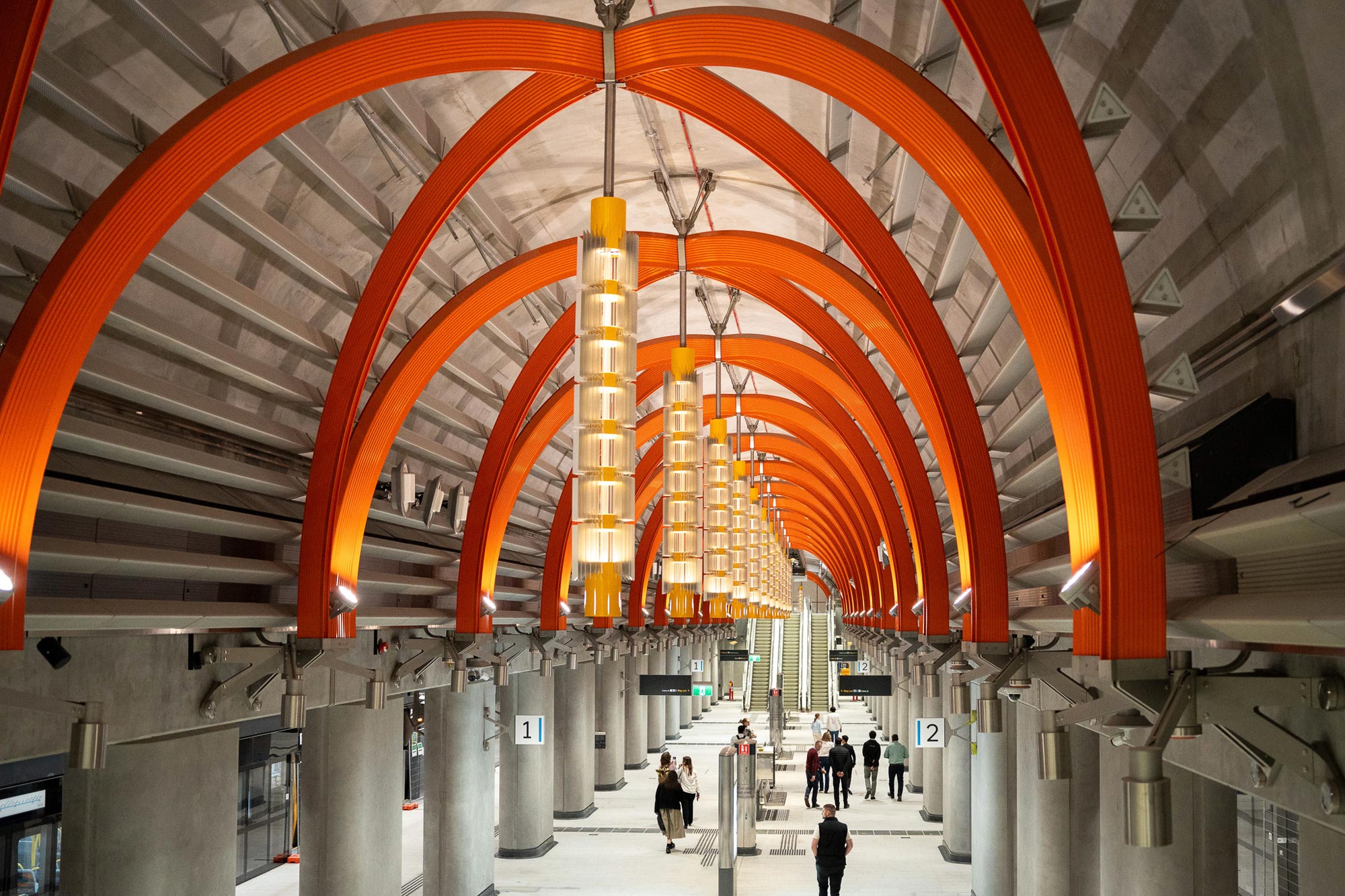
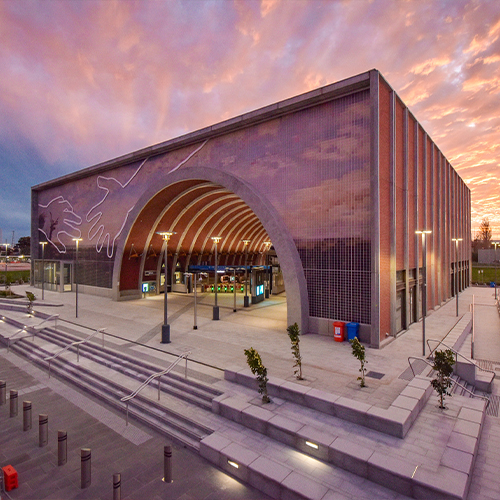
Image: Arden Station, Victoria, Australia
SMEC’s role centred on proof engineering, providing independent assurance through detailed checks and certification across a wide range of permanent and temporary works. The scale and diversity of this scope required not only technical rigour, but consistency of judgement and close coordination across disciplines and delivery stages.
Our team’s site inspections and construction phase services further supported safe execution and real-time risk management. Advanced digital analysis tools including 3D numerical modelling were used to address complex geotechnical and structural assessments, while flood modelling and groundwater movement analysis helped manage risks associated with deep excavation beneath Melbourne’s CBD.
Through this work, SMEC supported the client as a trusted technical reviewer, strengthening confidence among project stakeholders and supporting continuity and momentum across a demanding delivery programme. The project highlights the critical role that robust assurance and independent technical oversight play in enabling safe, resilient outcomes on major urban infrastructure projects.
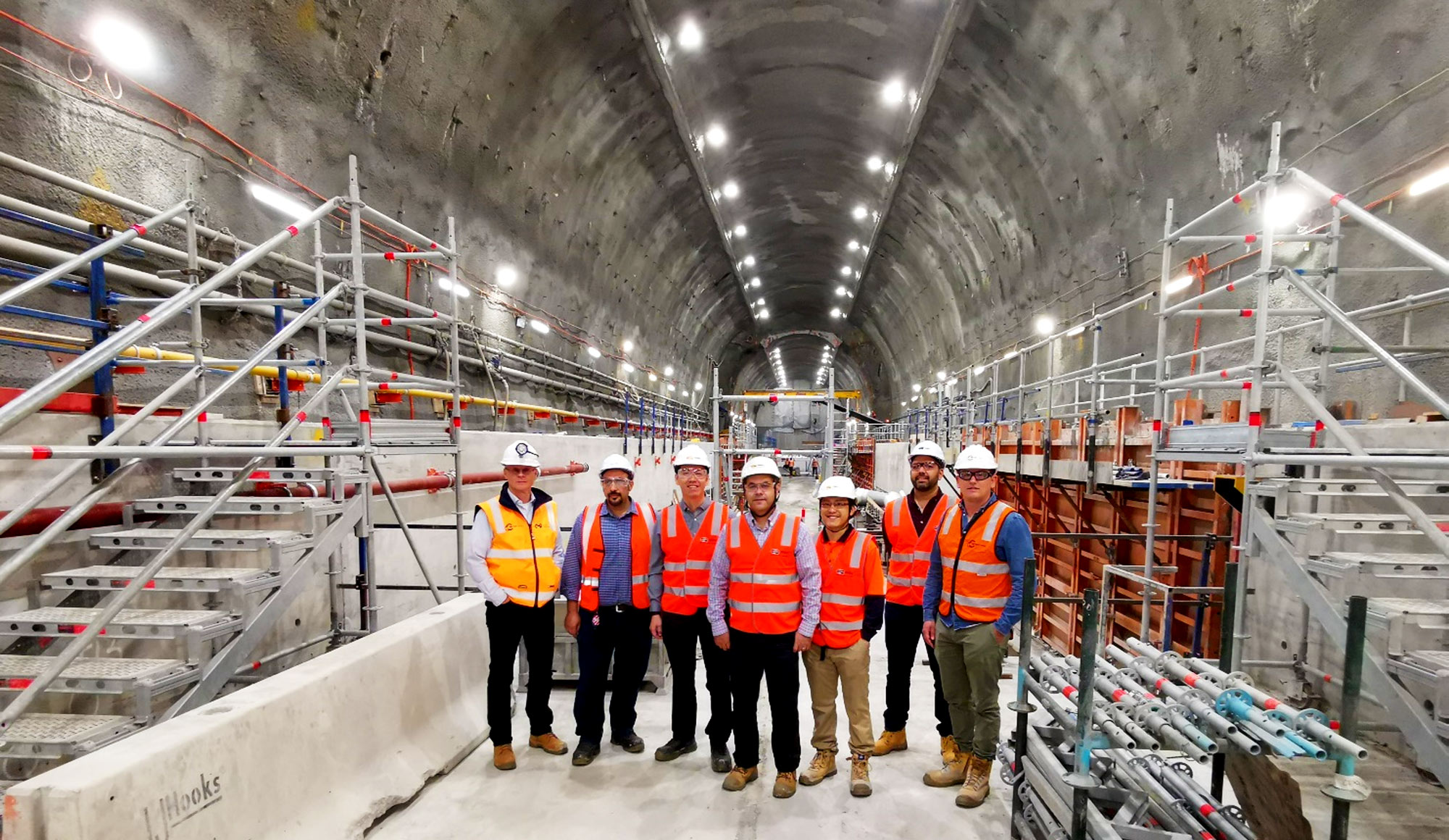
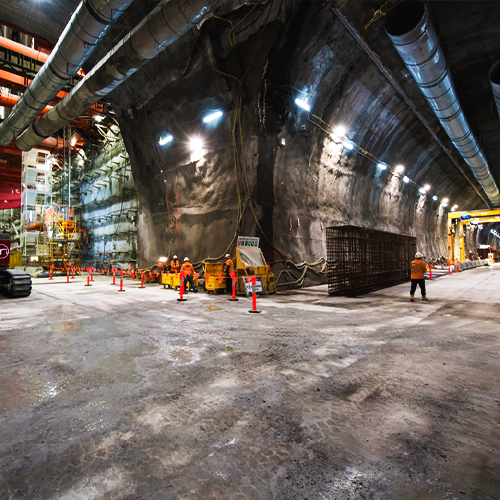
Image: Inside the metro tunnel during underground construction works
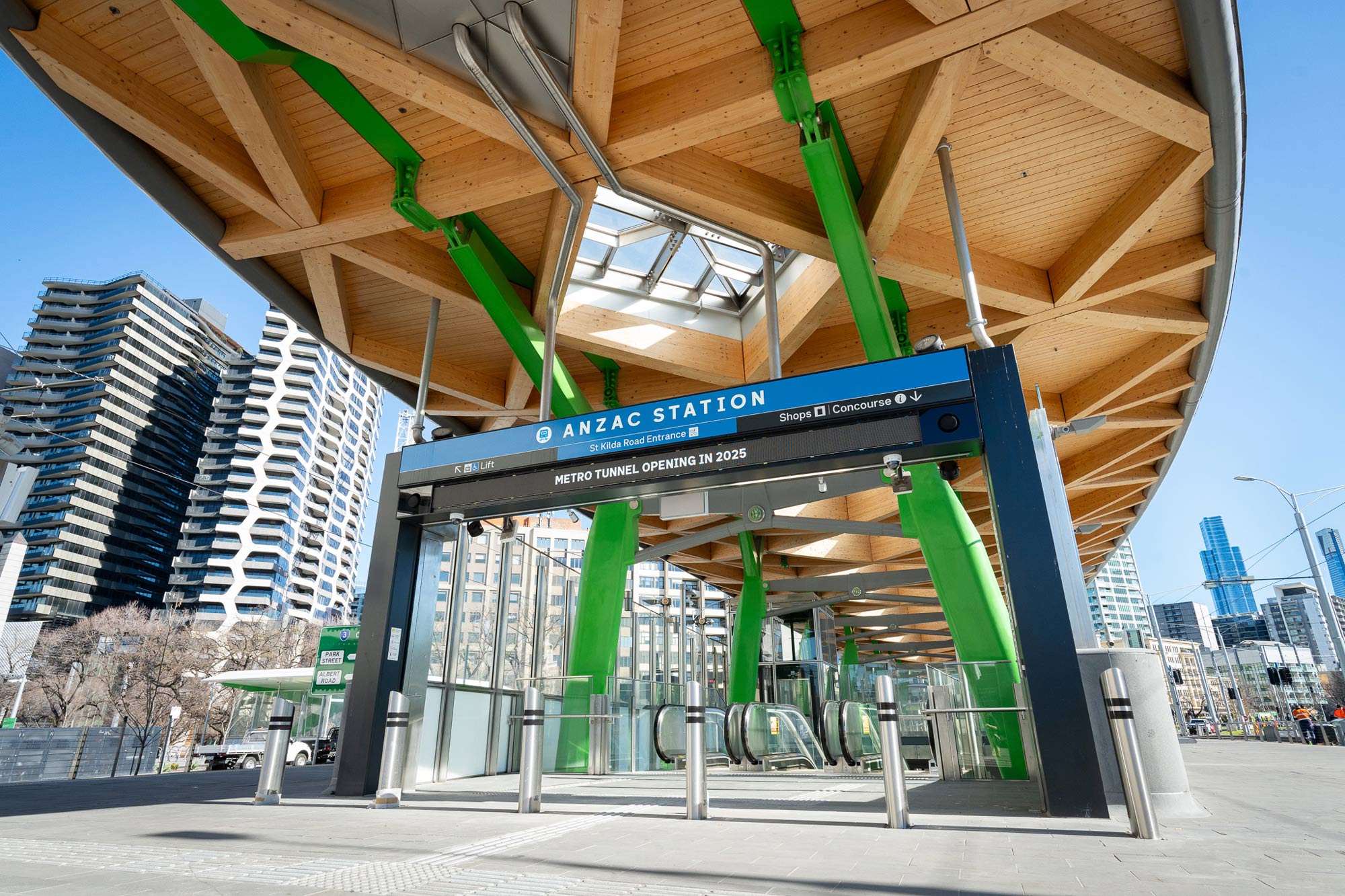
The Metro Tunnel is delivering significant benefits for passengers and the wider city. The new tunnel allows more trains to run more often, reduces travel times and enables passengers to cross the city from Arden Station in North Melbourne to Anzac Station on St Kilda Road in just 12 minutes.
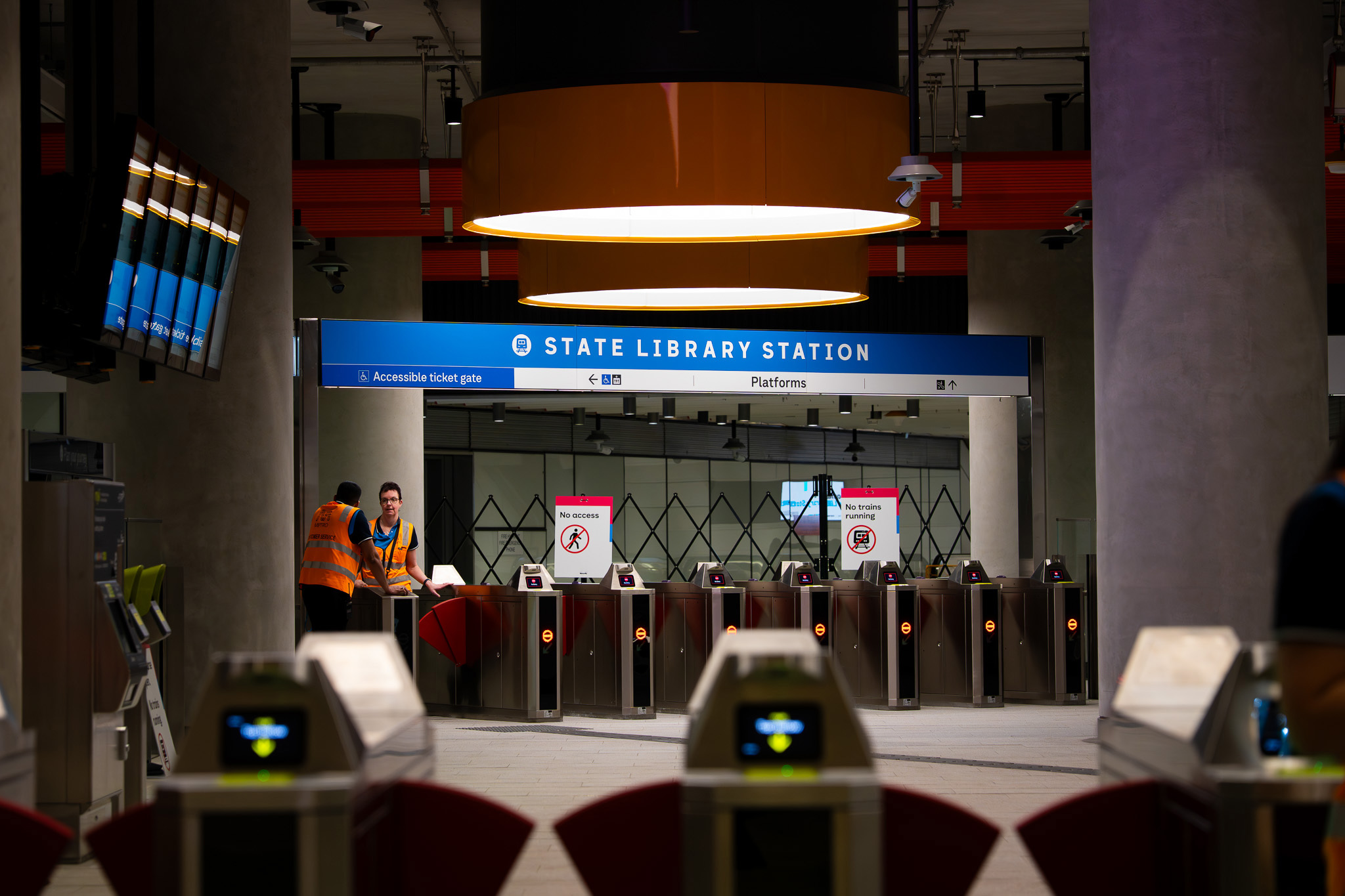
With capacity increased by up to 20,000 additional passengers per hour, the tunnel delivers a step-change in network performance. New underground CBD stations are directly connected to the City Loop at Melbourne Central and Flinders Street, improving accessibility to jobs, education and essential services, while creating a more resilient rail network for the future.
Beyond rail network outcomes, the project also creates opportunities for over-station development, urban renewal and improved integration between transport modes, supporting the city’s vision for a more connected and sustainable future. With full timetable integration planned for 2026, the project marks a transformative step forward for the rail network and reflects the technical rigour, collaborative delivery and long-term planning required to create infrastructure that meets today’s needs while serving Melbourne for generations.