



Navigating the Future of Maritime Infrastructure


From the early pioneers on the Snowy Mountains Hydroelectric Scheme, to our leaders and innovators of today, our people make us who we are.
Through our network of global specialists and by collaborating with local partners, we connect you with the best teams and capabilities to deliver highly innovative and sustainable solutions.
As an organisation we are continually evaluating ways we can better provide a safe, flexible, inclusive and respectful workplace for our people and clients.
People are at the heart of our organisation, we strive to create a flexible, diverse and inclusive environment that enables our people to thrive to their fullest potential.
Explore career opportunities
As vital hubs for economic and community activity, ports face ongoing challenges in maintaining ageing infrastructure. The Port of Geraldton Fishing Boat Harbour, located 420 km north of Perth, is no exception supporting around 150 vessels and over 88 stakeholders while managing complex structural and logistical constraints. Like many regional ports, Geraldton is in the early stages of its digital transformation journey and beginning to explore how data and digital tools can enhance asset visibility and maintenance planning.
Globally, the level of digitisation across ports varies significantly. While some of the world’s largest and most advanced ports have already embraced remote sensing, automation, and comprehensive digital modelling, others are only just beginning to adopt these technologies. This digital divide underscores the need to tailor strategies to local context, ensuring technology adoption supports inclusive, resilient and sustainable development aligned with the UN Sustainable Development Goals.
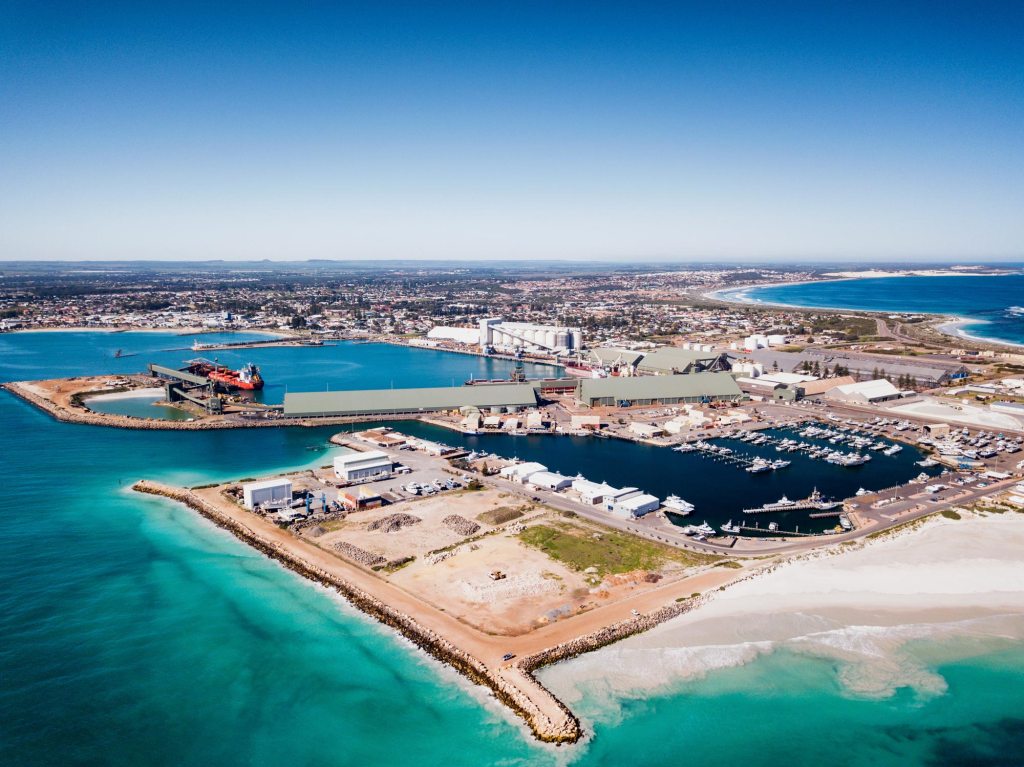
Ultimately, the value of digitisation lies not only in capturing infrastructure data, but in systems and processes to support more strategic and sustainable decisions. By aligning accurate asset data with long-term asset management strategies, ports can move toward a more proactive, risk-informed approach to maintenance planning, enhancing resilience, optimising resources, and extending the operational life of critical port assets.

Paul Turney
Port and Marine Manager, South Australia & Western Australia
Pau Turney has over 26 years of experience delivering coastal and maritime infrastructure projects. As project manager, Paul plays a key coordination role, working alongside SMEC’s asset management and digital engineering specialists to support clients in enhancing operational efficiency and planning for future infrastructure needs.
In the rapidly evolving landscape of Infrastructure and Energy, SJ Group (SJ) is leveraging Digital Engineering as the vehicle for innovation and sustained digital transformation. The following article explores how to harness the power of digital engineering, moving beyond traditional methods to deliver consistent, reliable, and innovative solutions.


