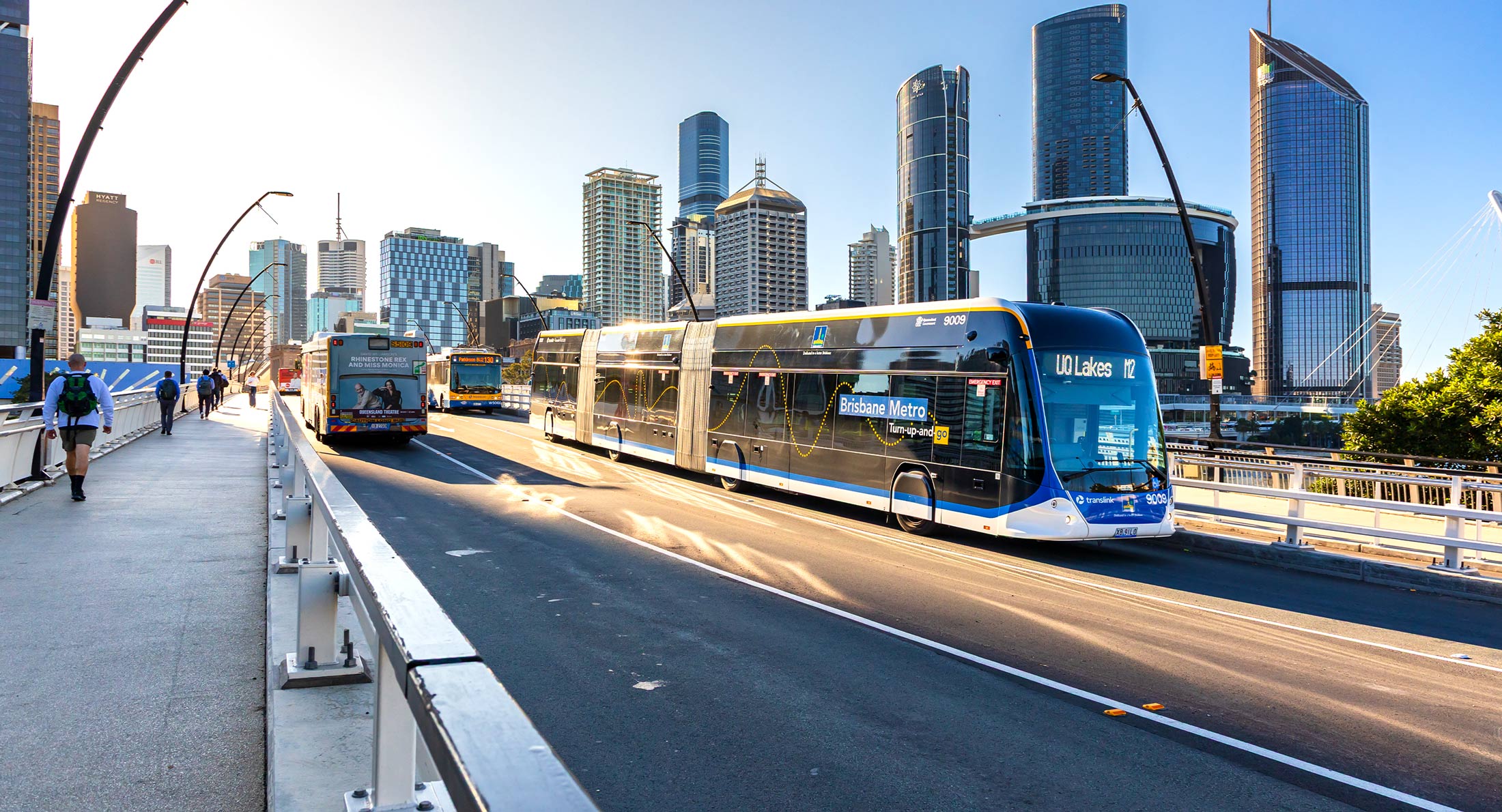


Brisbane Metro


From the early pioneers on the Snowy Mountains Hydroelectric Scheme, to our leaders and innovators of today, our people make us who we are.
Through our network of global specialists and by collaborating with local partners, we connect you with the best teams and capabilities to deliver highly innovative and sustainable solutions.
As an organisation we are continually evaluating ways we can better provide a safe, flexible, inclusive and respectful workplace for our people and clients.
People are at the heart of our organisation, we strive to create a flexible, diverse and inclusive environment that enables our people to thrive to their fullest potential.
Explore career opportunities
Brisbane City Council engaged SMEC to provide Project Verification services for the Brisbane Metro program, acting as an independent verifier across the design, construction and returned works phases. The appointment builds on SMEC’s experience providing verification services for other major Brisbane transport infrastructure projects, including the Kingsford Smith Drive Upgrade.
SMEC’s role involved reviewing and certifying design documentation, assessing project plans, monitoring construction activities, and auditing quality, safety and environmental management systems. The team also evaluated traffic, safety and environmental requirements, attended designated construction hold and witness points, and independently assessed compliance with contractual and technical requirements.
The verification scope covered a range of major infrastructure and public realm improvements across the program, including:
Working alongside Brisbane City Council, contractors and delivery partners, SMEC provided independent oversight across multiple work packages in a complex live urban environment. Through systematic detailed design reviews, construction inspections, compliance verification and management system audits, the team helped identify and manage technical and delivery risks, monitor compliance and provide Council with confidence that the works met the required contractual, technical, safety and environmental standards.
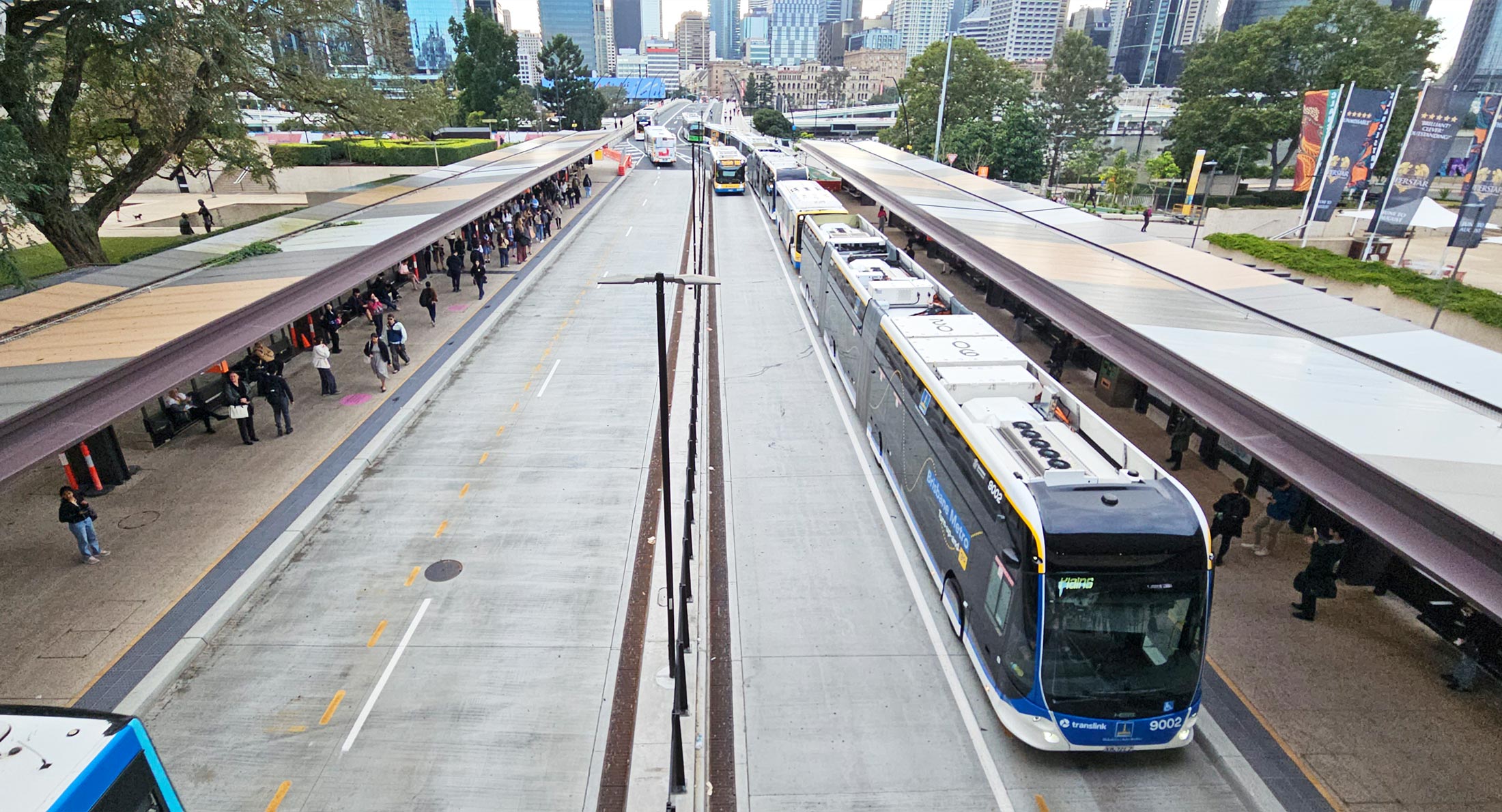
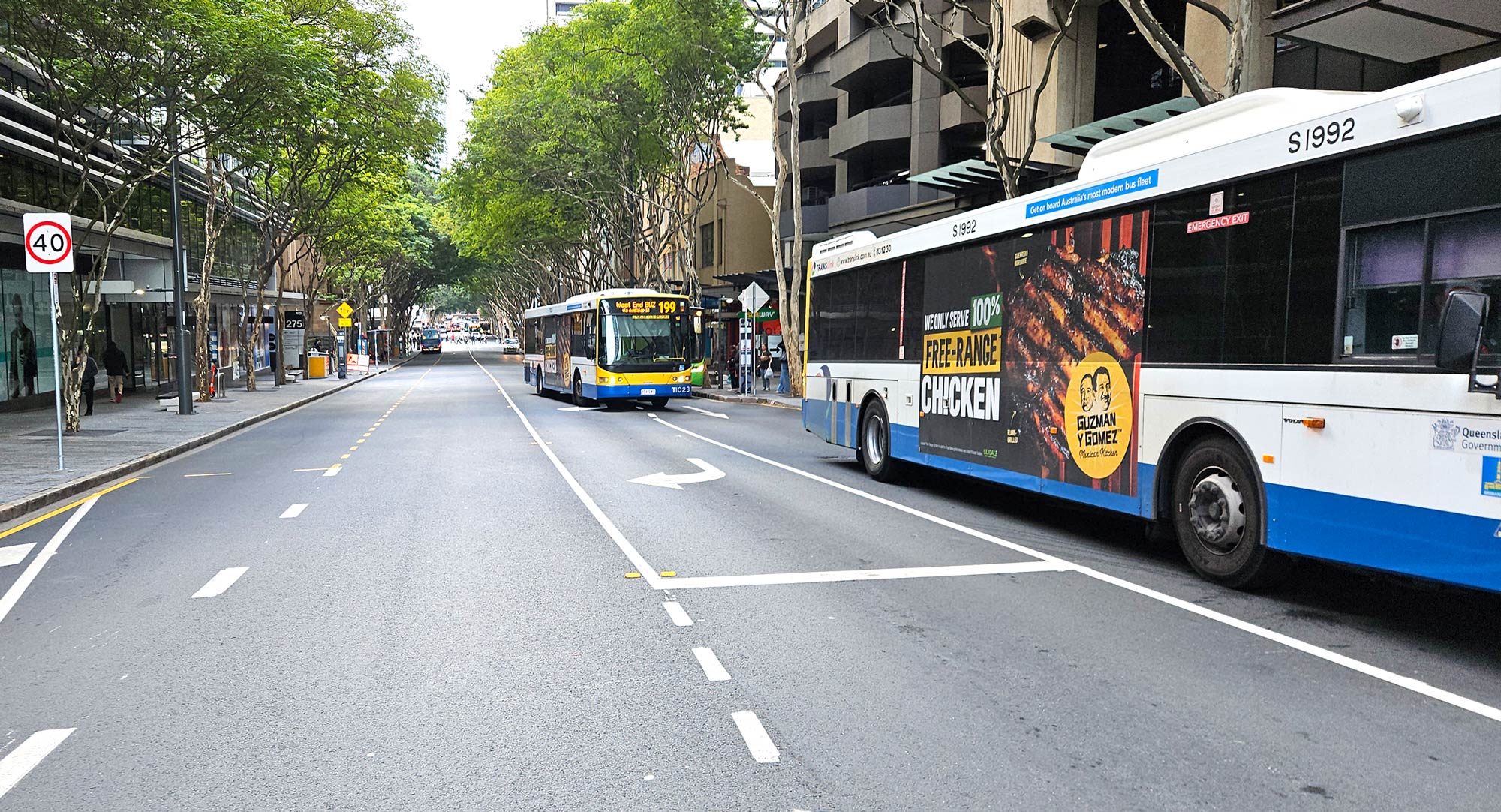
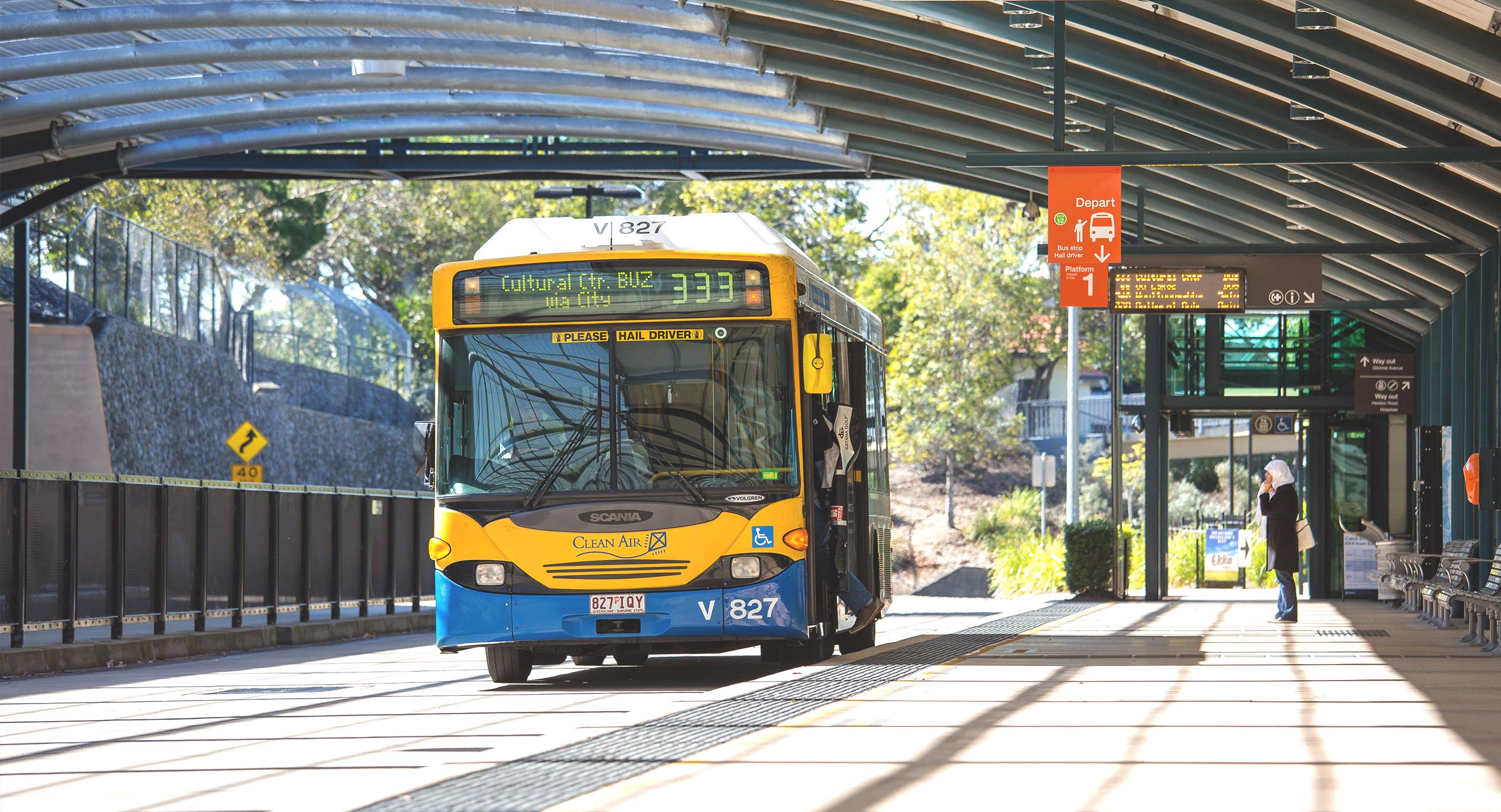
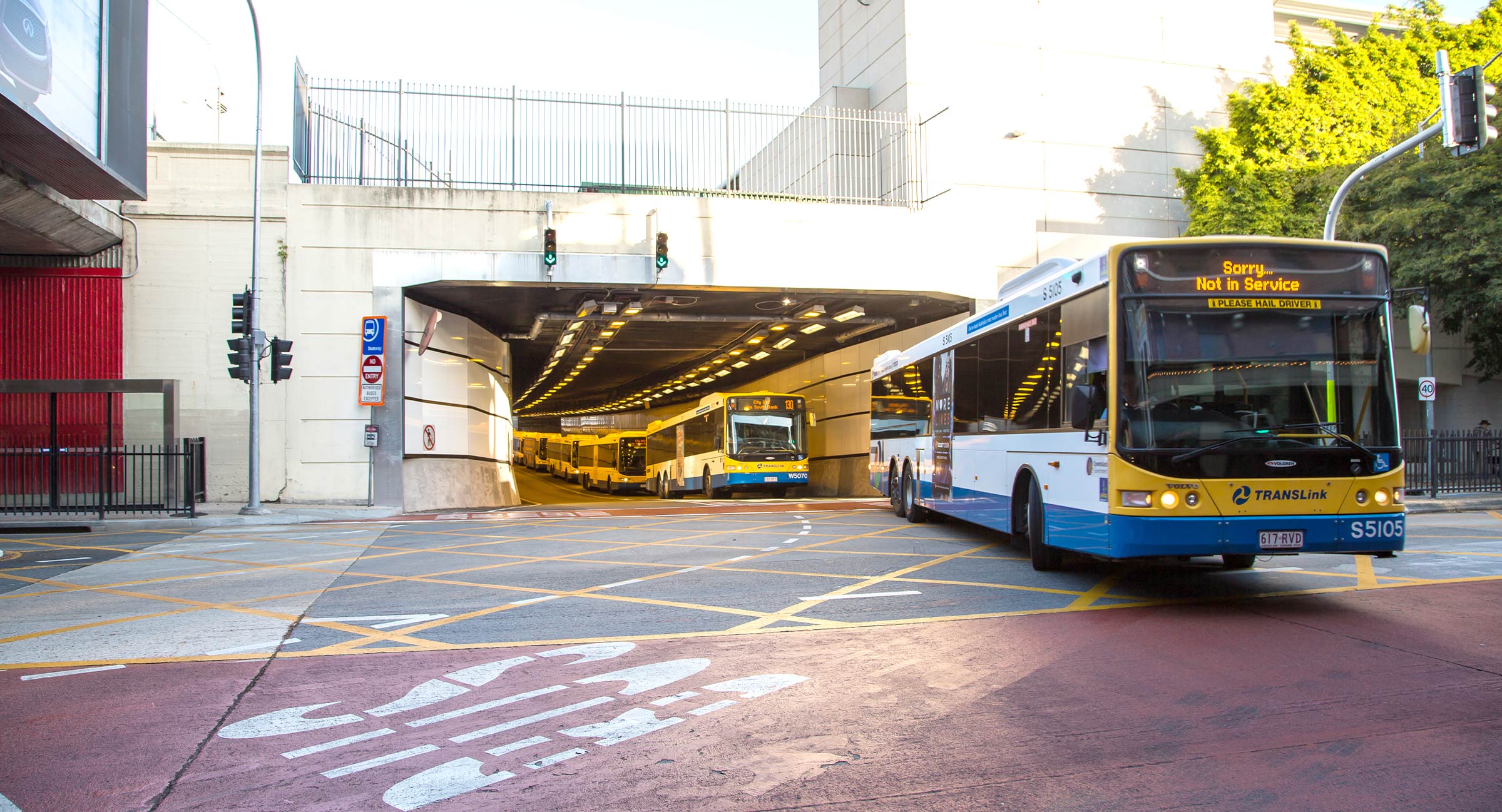
Before Brisbane Metro, growing passenger demand was placing increasing pressure on Brisbane’s inner-city bus network, particularly along key busway corridors and major interchange stations. Congestion along key busway corridors and capacity constraints at major stations limited the movement of buses through the city centre, affecting service frequency and network reliability.
Although Brisbane had an established busway network, limitations at critical points restricted its capability to accommodate future demand and support the city’s continued growth. Brisbane City Council identified the need for a transport solution that could move more people efficiently, improve connections between key destinations, and make better use of the existing public transport network.
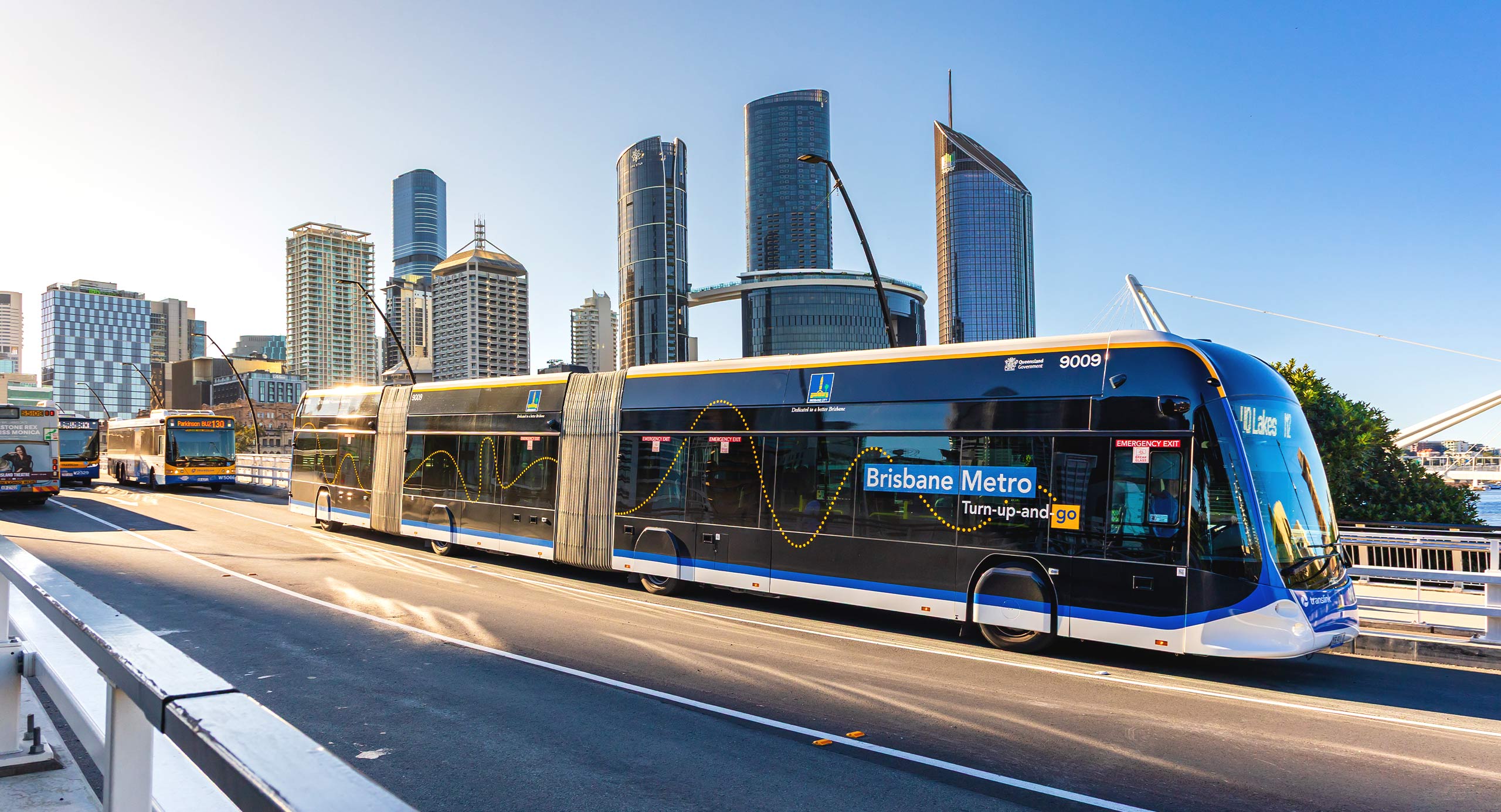
Brisbane Metro is helping transform the city’s increasing passenger capacity, improving service reliability and strengthening connections between key destinations.
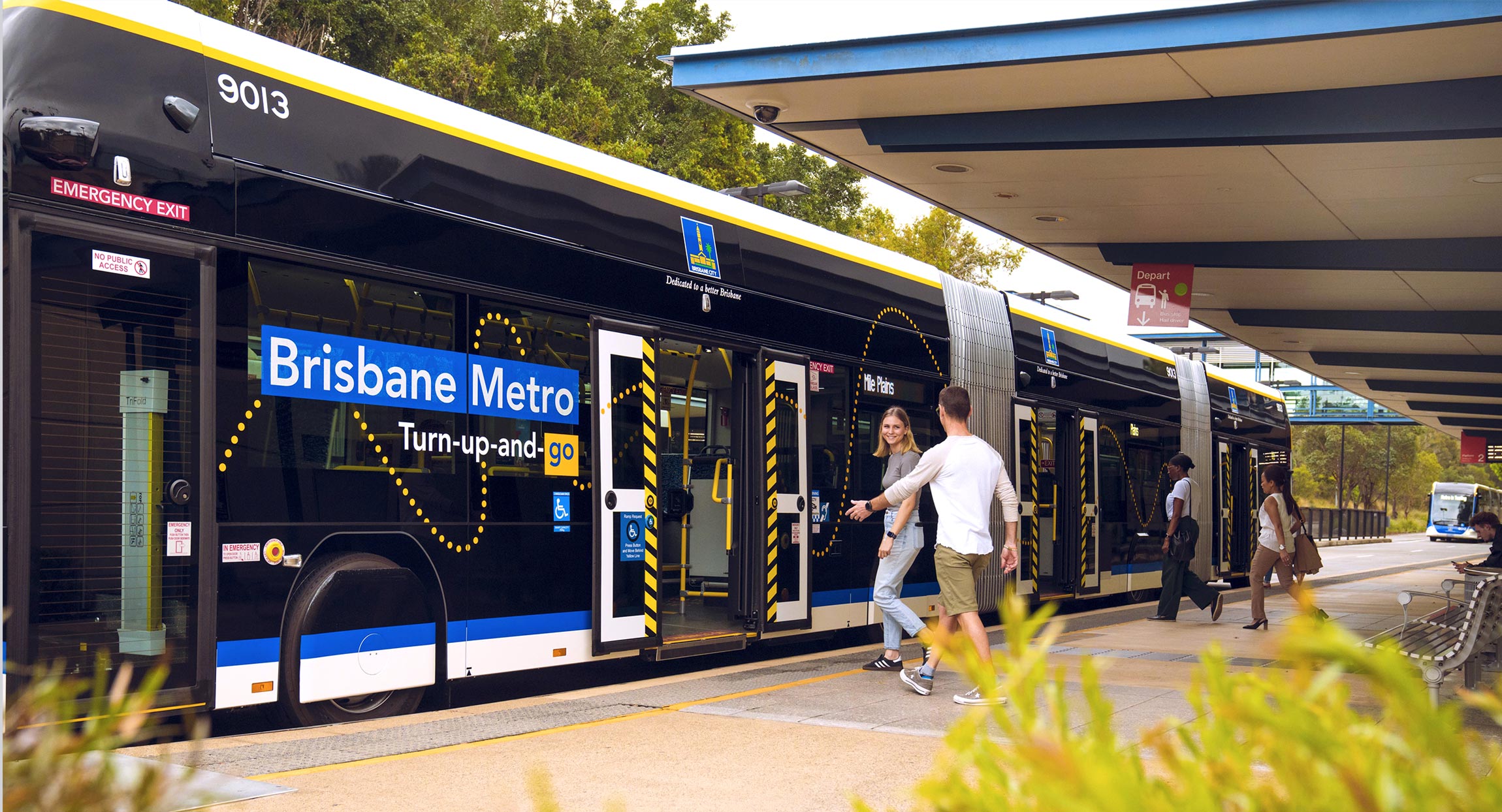
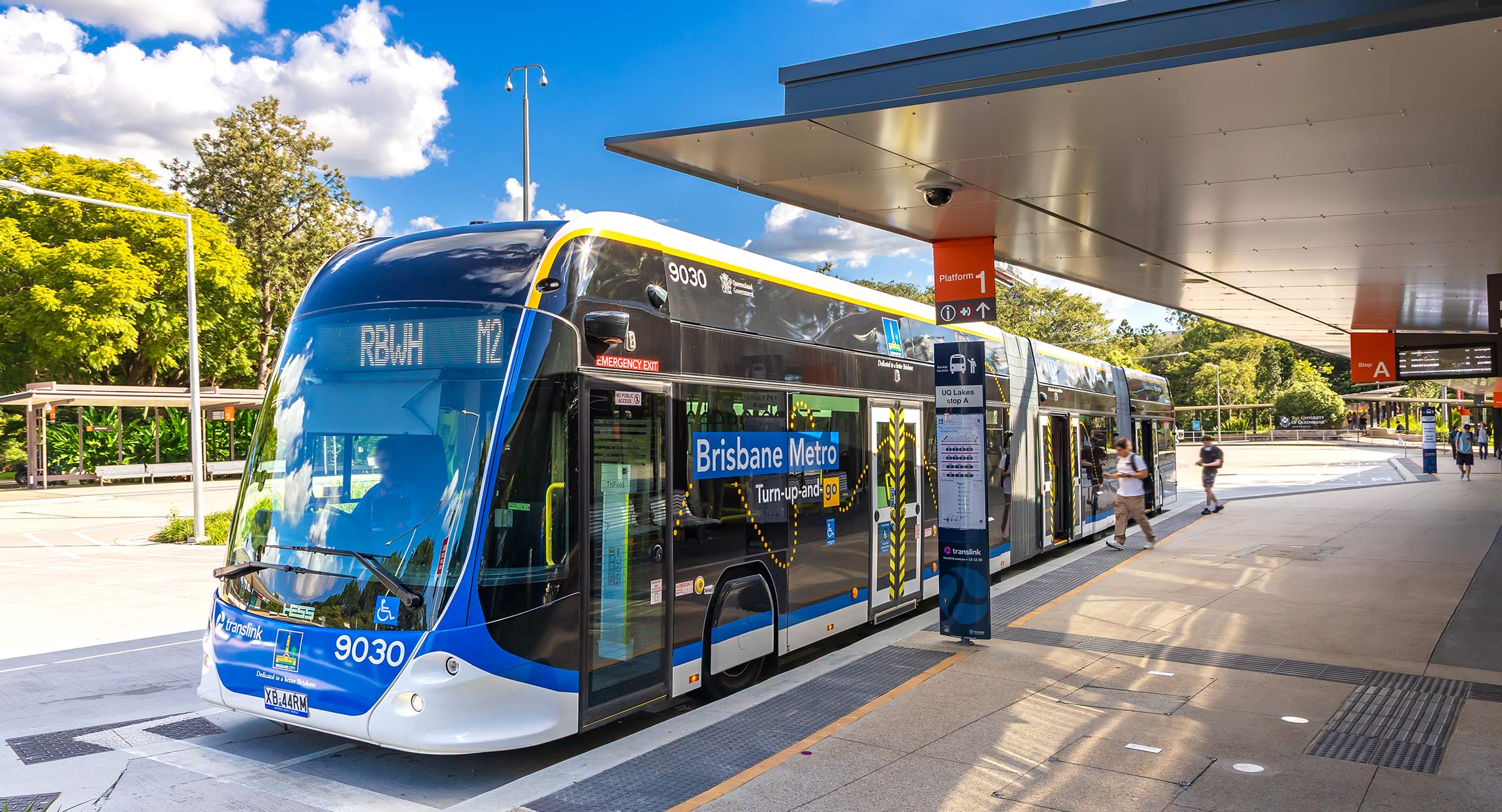
The project has introduced a high-frequency, turn-up-and-go service operating across two key corridors, strengthening connections between major health, education, employment and entertainment precincts. By addressing critical bottlenecks and increasing network capacity, Brisbane Metro improves travel reliability and helps move more people efficiently through the city.
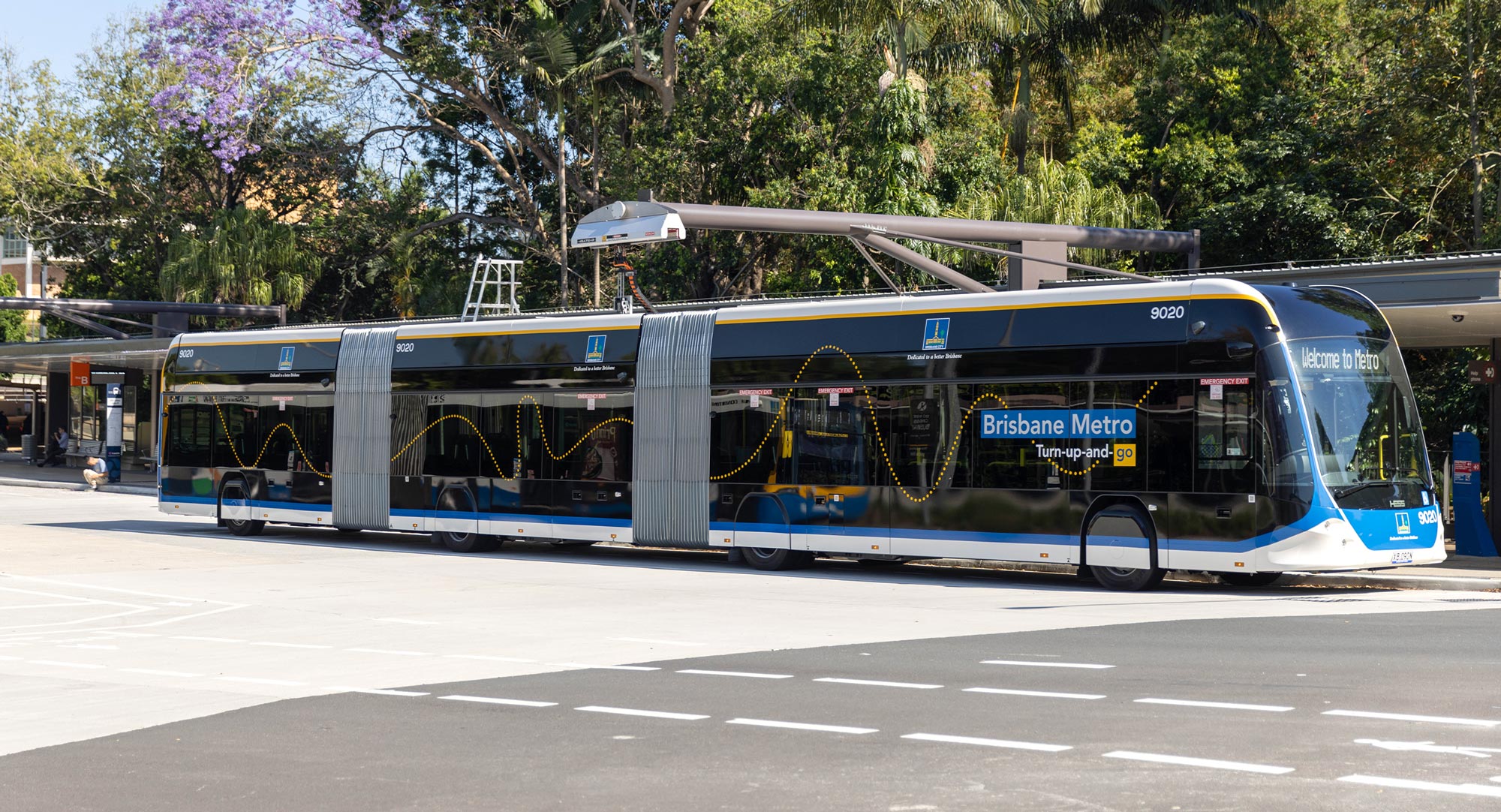
The introduction of a fleet of fully electric metro vehicles also supports Brisbane’s transition towards more sustainable transport, while providing quieter, more accessible and more comfortable journeys for passengers.
Beyond public transport, Brisbane Metro has contributed to broader city-shaping objectives through upgraded public spaces, enhanced pedestrian and cycling connections, improved streetscapes and better integration between transport modes. The project strengthens Brisbane’s ability to accommodate future growth while creating a more connected, accessible and liveable city.
Through independent verification, technical rigour and close collaboration, SMEC helped provide confidence that Brisbane Metro’s infrastructure works met the project’s contractual and technical requirements. Our contribution reflects a commitment to Engineering Positive Change by applying trusted expertise and independent oversight to complex infrastructure projects that deliver, lasting value for communities, businesses and the city of Brisbane.