

Resilient Urban Services for Sustainable Tourism and Wetland Preservation (RESTOW) Project


From the early pioneers on the Snowy Mountains Hydroelectric Scheme, to our leaders and innovators of today, our people make us who we are.
Through our network of global specialists and by collaborating with local partners, we connect you with the best teams and capabilities to deliver highly innovative and sustainable solutions.
As an organisation we are continually evaluating ways we can better provide a safe, flexible, inclusive and respectful workplace for our people and clients.
People are at the heart of our organisation, we strive to create a flexible, diverse and inclusive environment that enables our people to thrive to their fullest potential.
Explore career opportunities
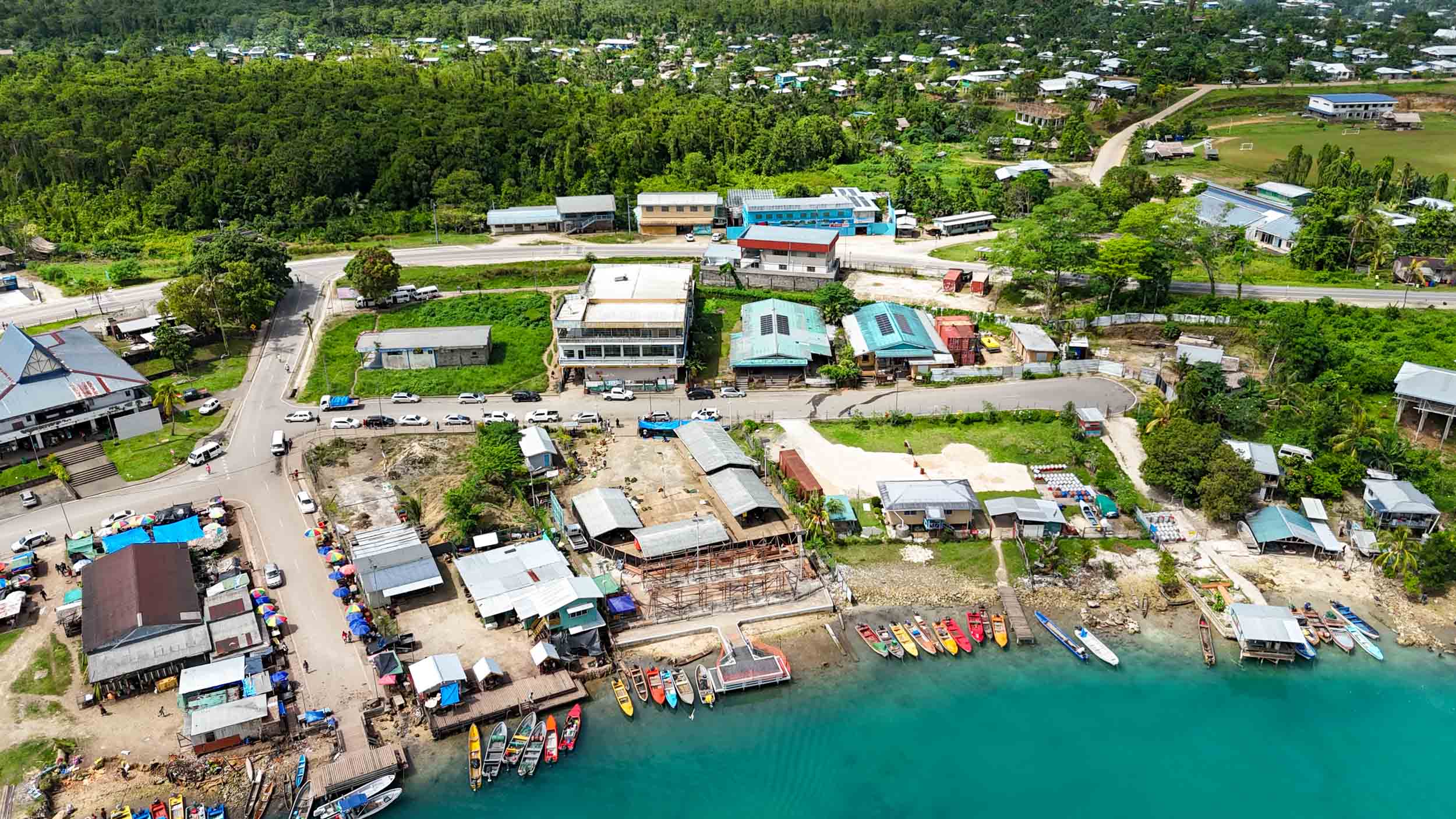
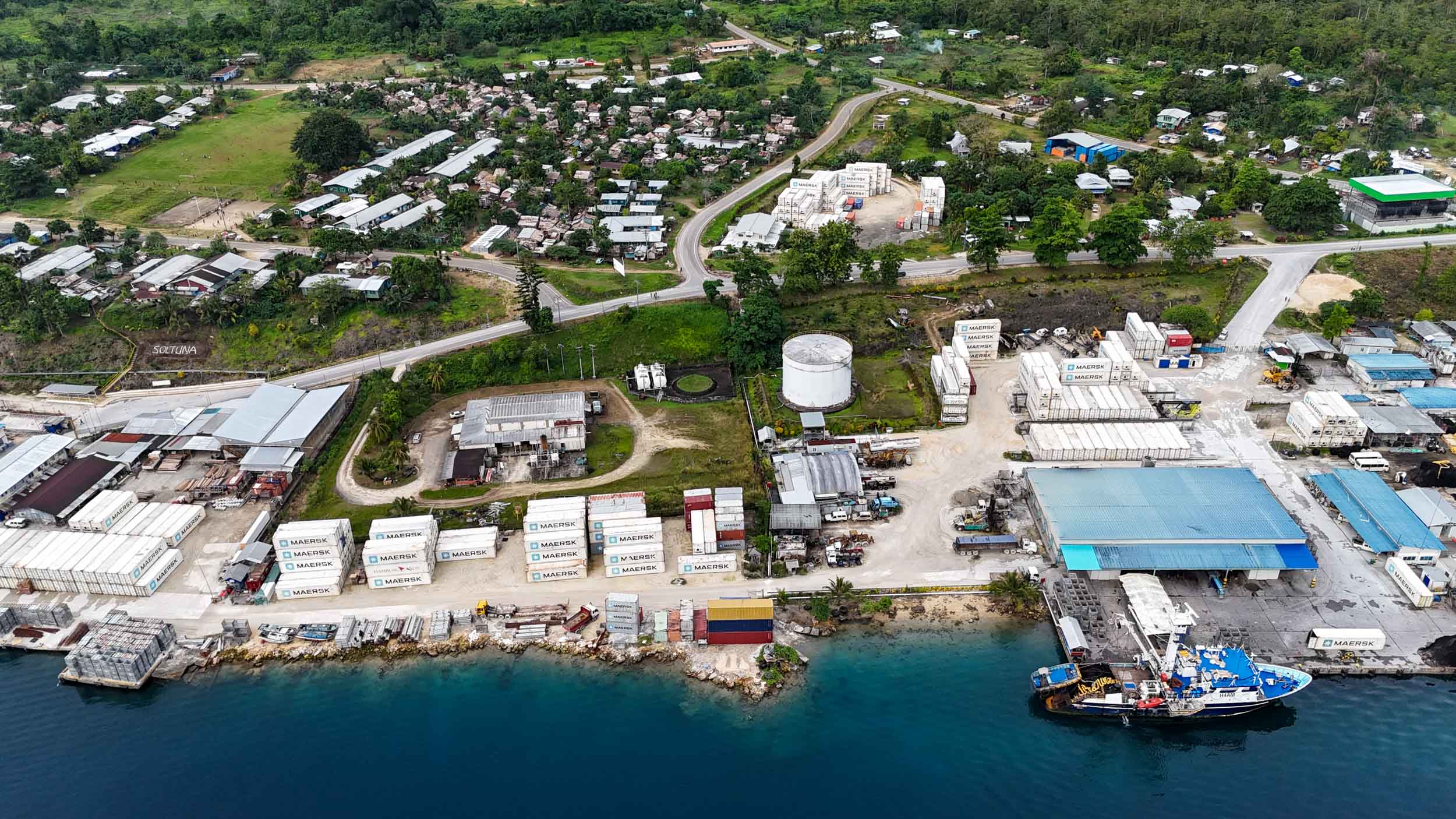
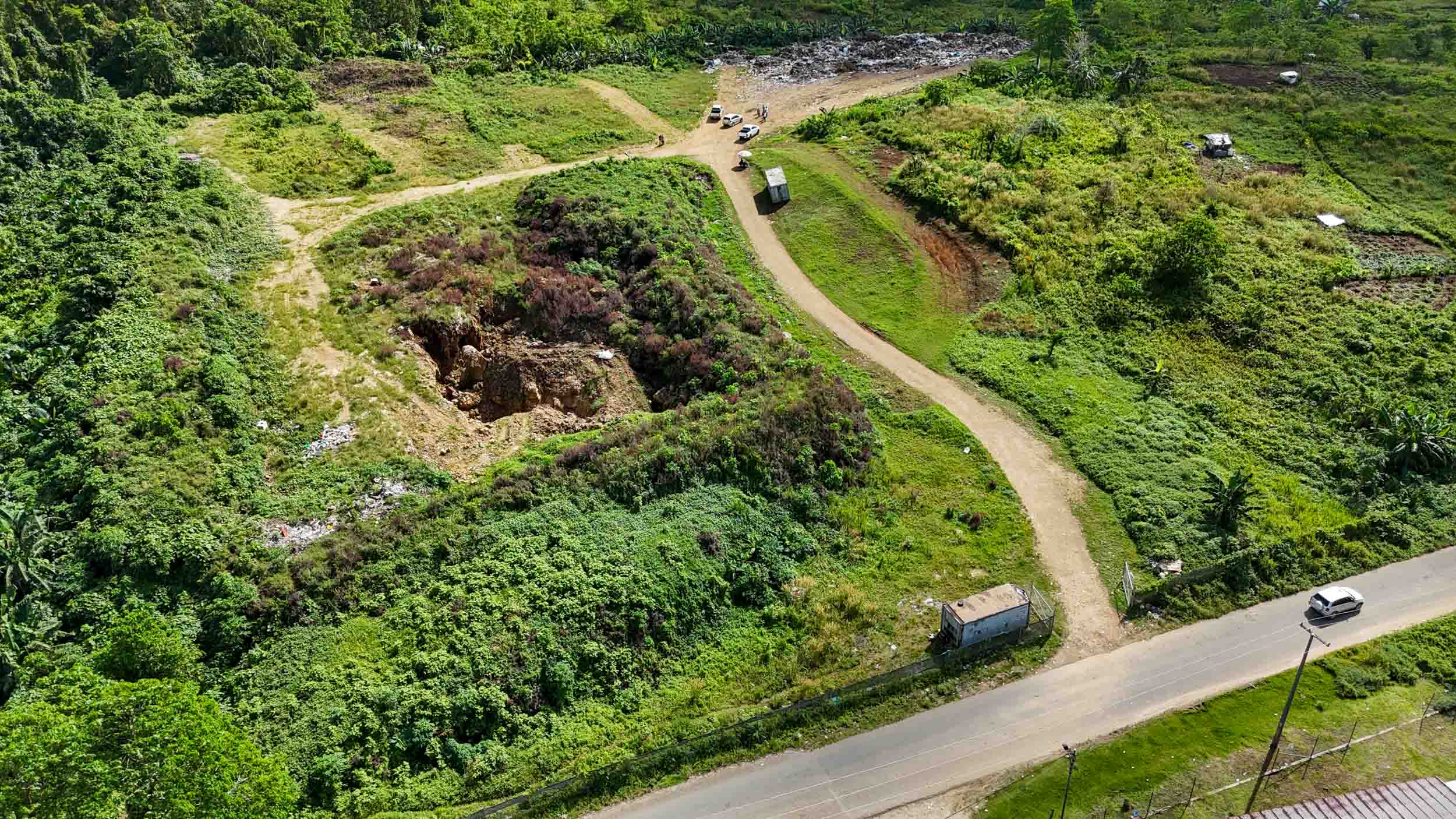
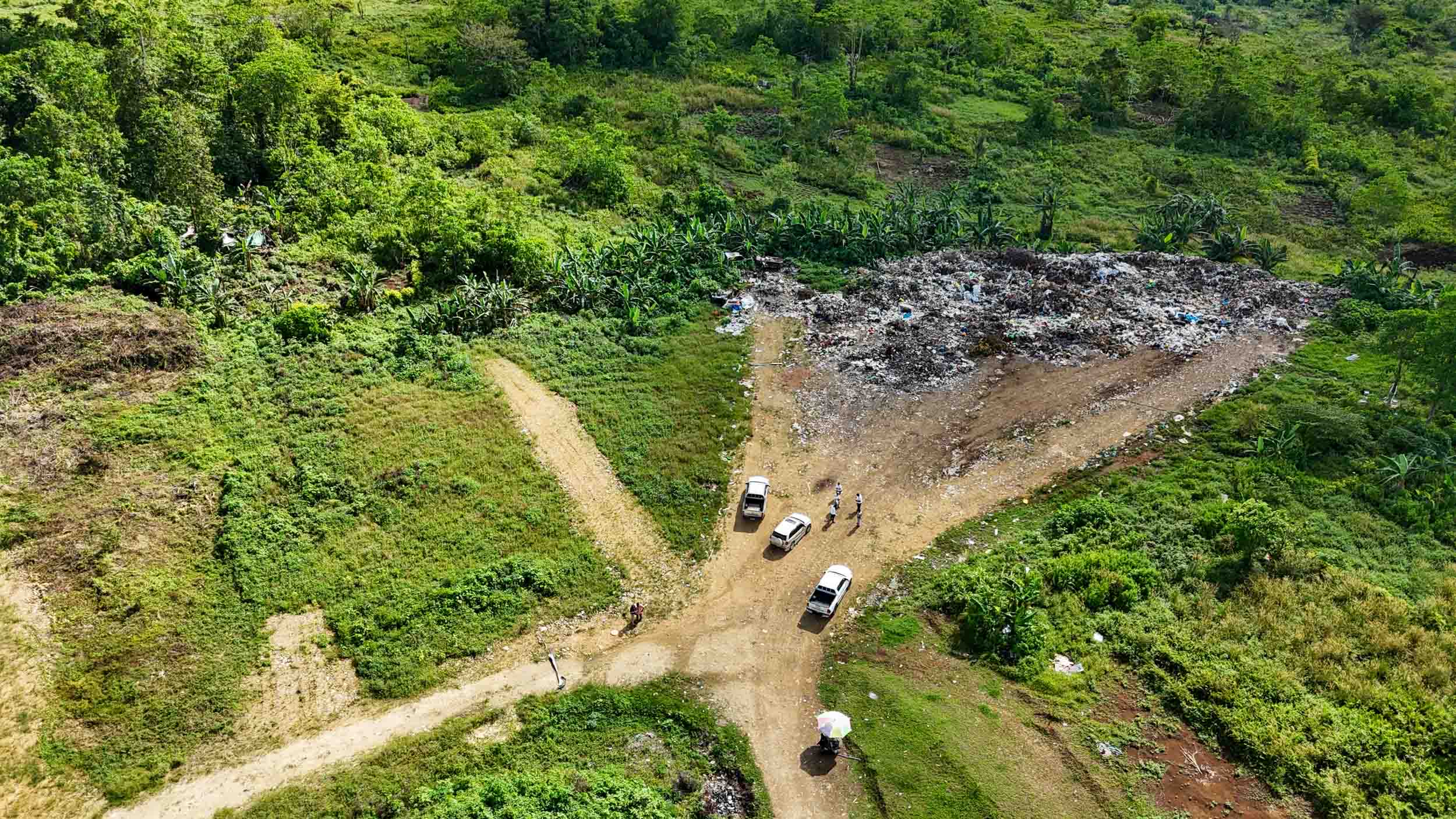
To develop solutions suited to local conditions, SMEC is undertaking waste characterisation and hotspot mapping, sanitation and tourism assessments, and reviews of community and institutional capacity to manage waste services.
These activities will provide a clearer understanding of existing waste streams, collection systems and service gaps, helping identify practical opportunities to strengthen waste collection, recycling, resource recovery, landfill planning and sanitation services. Importantly, the work also considers how these services can be operated and maintained effectively over the long term.
With communities across the Solomon Islands exposed to climate and natural hazard risks, resilience is a key consideration in planning future infrastructure.
SMEC is leading technical feasibility studies, climate and hazard risk assessments and options analyses to identify solutions that are technically appropriate, locally responsive and operationally sustainable. Preliminary engineering designs will support the planning of priority waste and sanitation investments while helping inform where future infrastructure should be located and how it should be designed.
Sustainable waste management depends on more than infrastructure. It also requires strong local participation, capable institutions and shared responsibility.
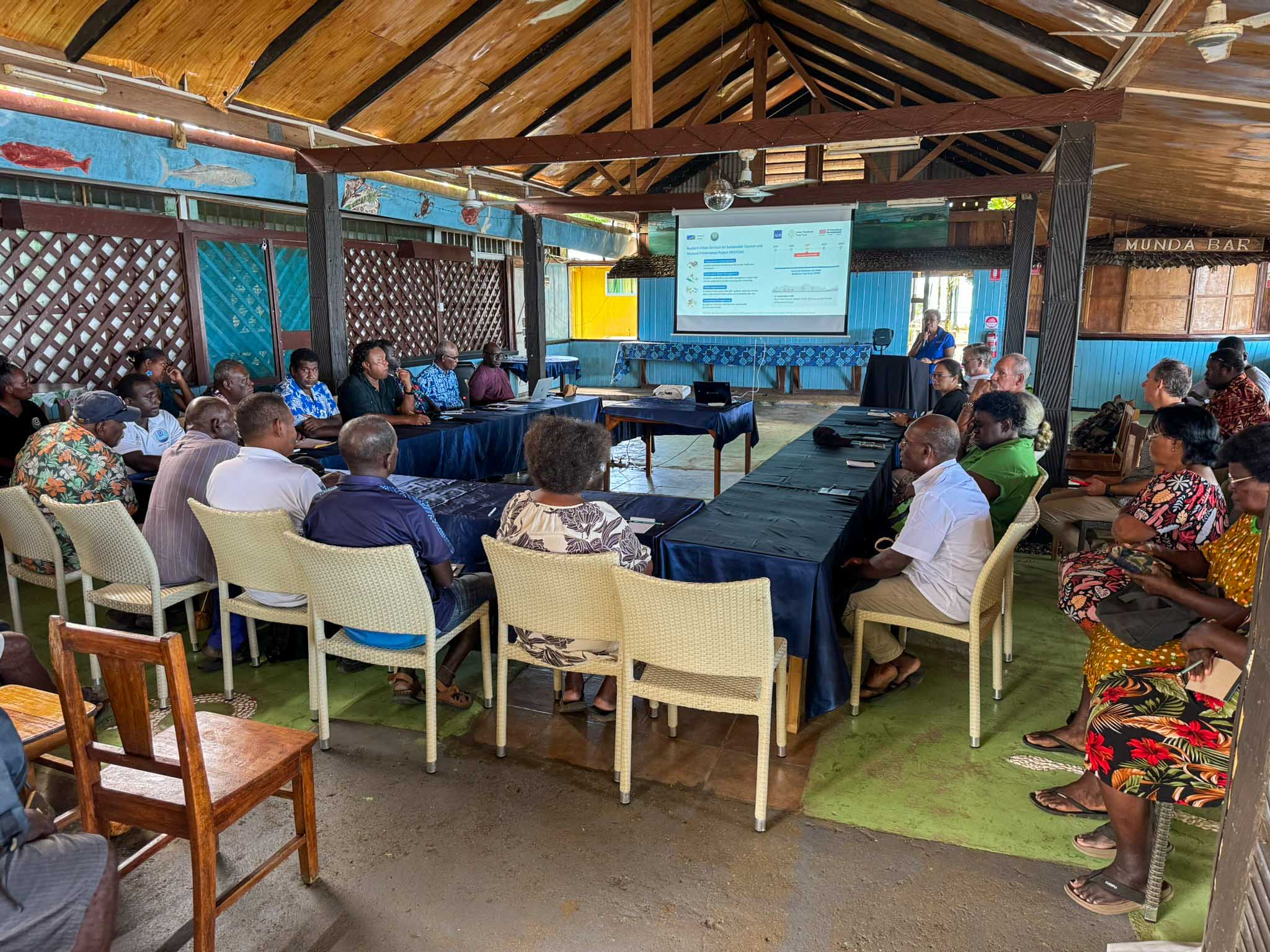
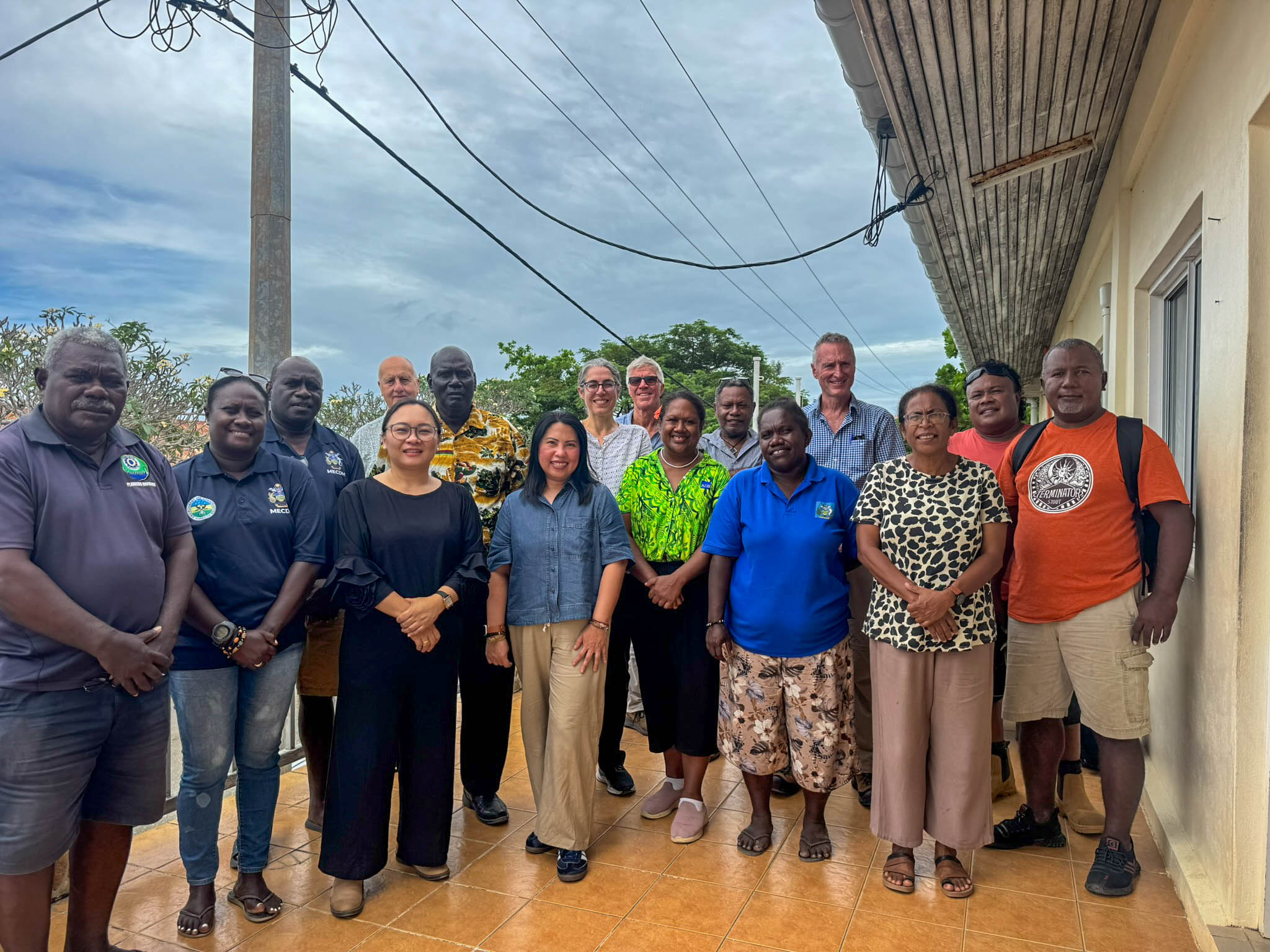
Stakeholder engagement, public awareness activities and behaviour change initiatives are central to the RESTOW project. SMEC is working with government stakeholders, community representatives, civil society groups and local partners to ensure proposed solutions reflect local priorities and needs.
Community-based waste management approaches are also being explored to encourage participation in waste segregation, recycling and resource recovery. This includes identifying opportunities for women, young people and vulnerable groups to participate in local initiatives and community-based waste management and resource recovery initiatives.
Alongside community engagement, the project will assess and identify opportunities to strengthen institutional capacity, governance arrangements, sustainable financing approaches and improved monitoring systems.
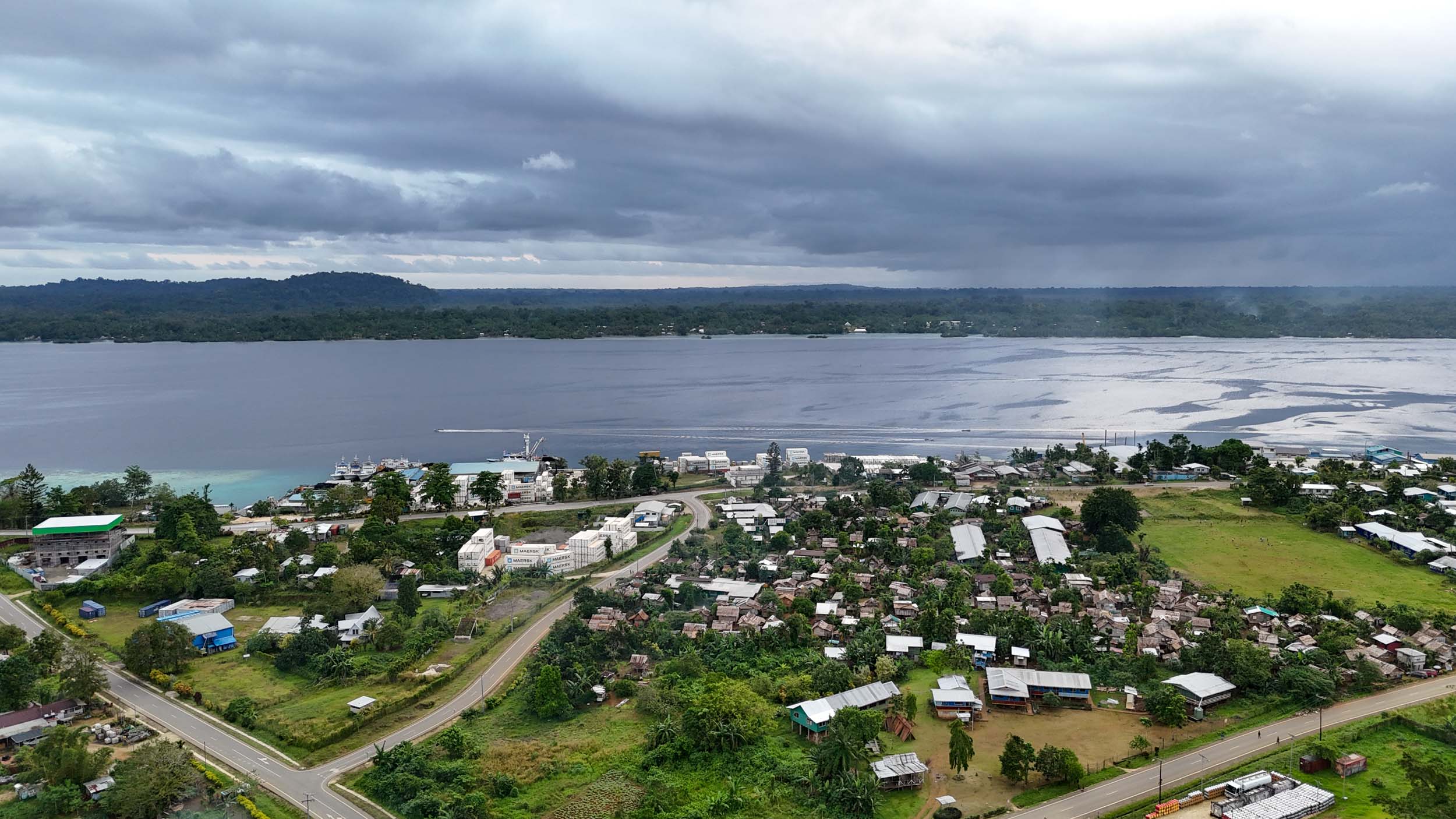
By integrating engineering, environmental assessment, community engagement and capacity building, RESTOW is helping establish a stronger foundation for sustainable waste management in Western Province.
The project is expected to identify practical, climate-resilient solutions that strengthen municipal service delivery, reduce pollution and protect sensitive coastal and wetland environments. Improved waste and sanitation services can contribute to cleaner communities, healthier ecosystems and more sustainable economic activity. Resilient urban services and effective environmental management are important foundations for protecting natural assets, supporting local livelihoods and enabling sustainable tourism growth.
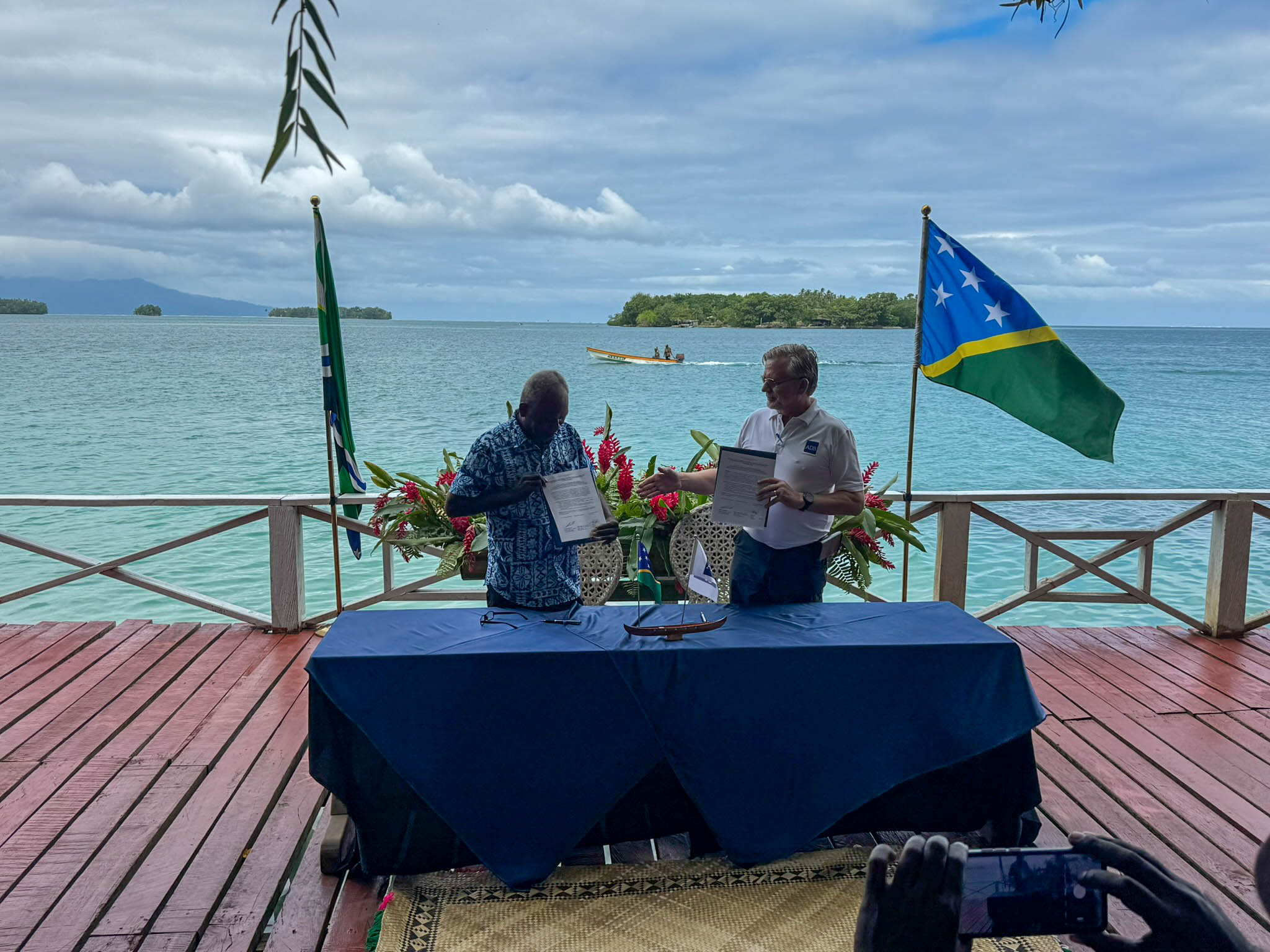
Through close collaboration with the Government of Solomon Islands, Asian Development Bank, local stakeholders and communities, SMEC is helping turn technical analysis and local insight into a pathway for future investment that supports more resilient urban services and a cleaner, more sustainable future for Western Province.
The work complements ongoing efforts by government, development partners , and local stakeholders to strengthen environmental management and community participation in Western province. Together, these efforts contribute to stronger environmental outcomes and greater community participation in sustainable waste management practices.