
Expertise


From the early pioneers on the Snowy Mountains Hydroelectric Scheme, to our leaders and innovators of today, our people make us who we are.
Through our network of global specialists and by collaborating with local partners, we connect you with the best teams and capabilities to deliver highly innovative and sustainable solutions.
As an organisation we are continually evaluating ways we can better provide a safe, flexible, inclusive and respectful workplace for our people and clients.
People are at the heart of our organisation, we strive to create a flexible, diverse and inclusive environment that enables our people to thrive to their fullest potential.
Explore career opportunities
Advances in digital modelling, refined analysis and a deeper understanding of structural behaviour are helping engineers make more precise design decisions. With these technology advances, design teams can better distinguish between conservatism that improves safety and durability, and conservatism that adds unnecessary material, embodied carbon and construction complexity.
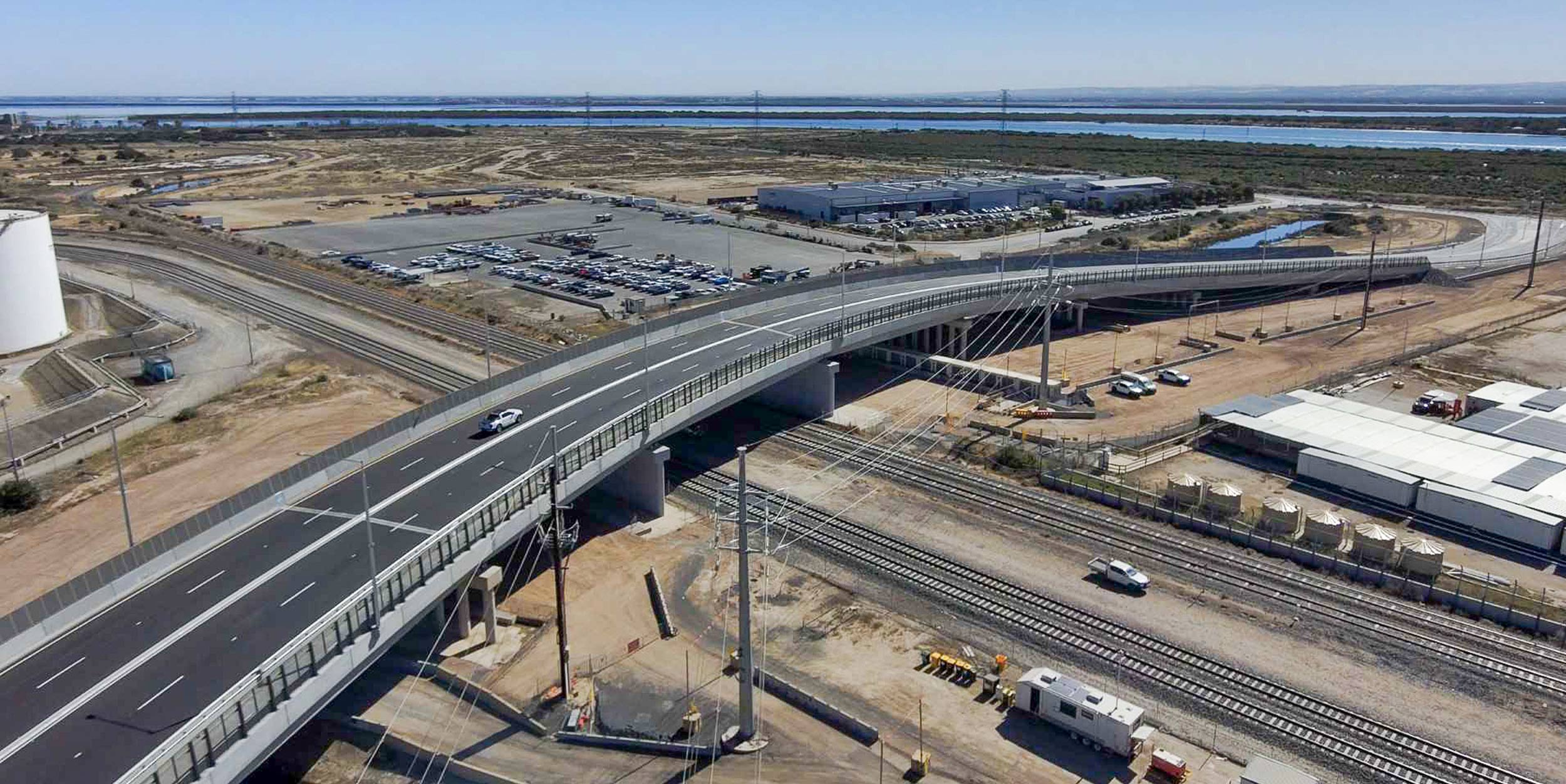
The Eurimbla Way Bridge in South Australia illustrates this shift. Early design options included a shorter-span structure with high approach embankments and reinforced soil structures. As the design developed, geotechnical modelling showed that soft estuarine marine soils, shallow groundwater and variable ground conditions would create settlement risks under high fill. A 10-span Super T configuration was adopted to reduce fill heights, avoid major reinforced soil walls and limit reliance on long preloading periods.
Detailed analysis also helped reduce cost and complexity without compromising safety. Engineers assessed the bridge foundations for seismic performance in soft coastal soils and reviewed the risk of train derailment impacts on bridge supports. With greater clearance from the rail corridor and robust blade wall piers, separate deflection walls were not required, avoiding significant foundation works while maintaining safety and compliance.
The same principle applies on larger and more complex projects. The Mtentu Bridge on South Africa’s N2 Wild Coast Toll Road required SMEC to assess more than seven alternatives to balance cost, constructability, environmental impacts, wind and seismic performance, and long-term operational requirements. The selected solution had to work as part of a larger mobility and regional development outcome, not simply as an isolated landmark structure.
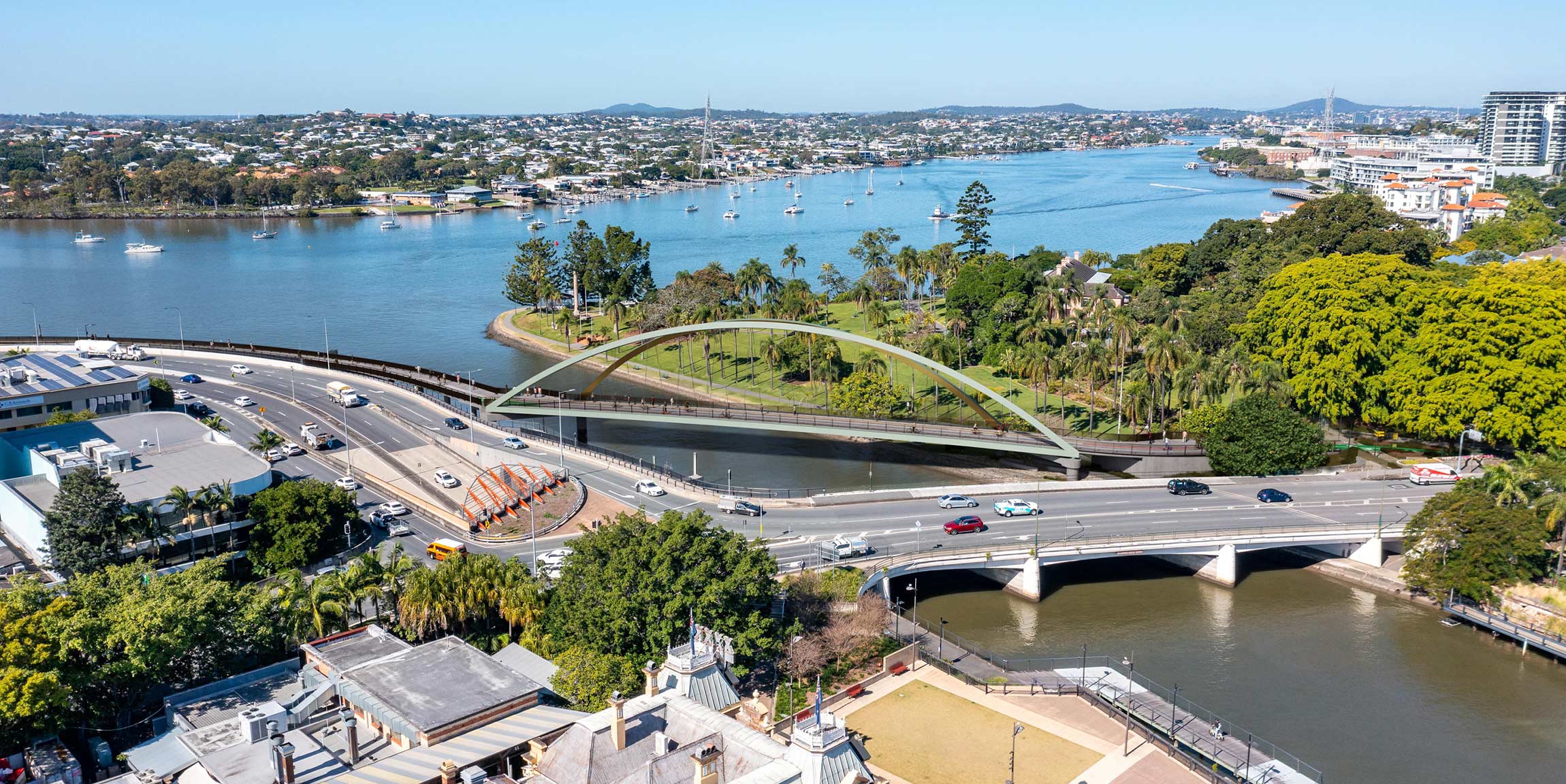
Brisbane’s Breakfast Creek / Yowoggera Bridge demonstrates how these decisions can also shape smaller-scale infrastructure. Designed as a new active transport link, the 80 metre tied arch bridge embedded asset management and maintenance considerations from concept design, including inspection access, coating systems, corrosion protection and operations requirements. These decisions helped reduce future whole-of-life costs while delivering a durable, accessible bridge in a heritage setting.
These projects show that more sustainable bridge outcomes often come from more broadly informed decisions made earlier in the design process.
In Castlemaine, Victoria, the rehabilitation of a heritage arch bridge shows how renewal and life extension can be powerful sustainability strategies. SMEC undertook structural assessment and rehabilitation design works to help preserve the existing bridge.
As the original drawings were unavailable, the engineering team were required to undertake sufficient site investigation to establish the key bridge parameters including the geometry, material properties and insitu performance. Site investigation activities included inspections, point-cloud survey, coring, test pits, boreholes and review of comparable of similar nearby masonry arch bridges.
The solution included targeted strengthening, waterproofing, loose masonry repairs and parapet stabilisation to extend the bridge’s service life while preserving its heritage character and limiting disruption to the road and footpath below.
For ageing bridge networks, this type of intervention is a powerful sustainability strategy in its own right, reducing material consumption, avoiding unnecessary replacement and extracting greater value from existing infrastructure.
Resilience is not only about designing bridges to withstand extreme events. It is also about how transport systems continue to function when demand increases, conditions change or assets are disrupted. For bridges, this means understanding their role in the wider corridor: how they support movement, safety, freight reliability, emergency access and recovery after incidents.
Batumi Bypass Road in Georgia shows this at a transport network scale. Developed to move growing heavy goods and passenger traffic away from congested urban roads in Batumi, the route improves safety and reliability on a strategic east-west corridor linking the Black Sea ports with wider regional trade routes. Its bridges, tunnels and supporting infrastructure strengthen the performance of the corridor as a whole, rather than acting as isolated assets.
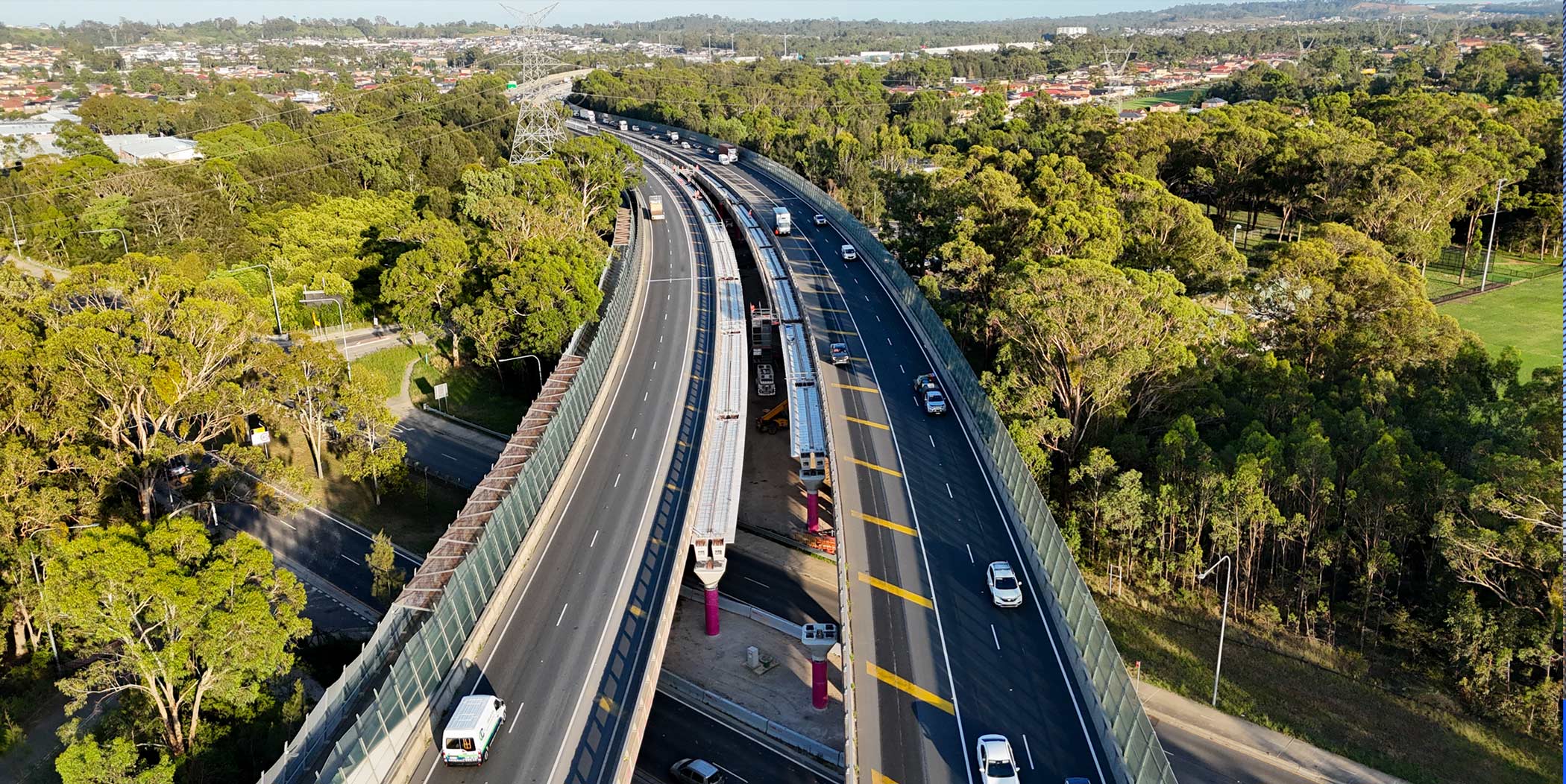
The Mount Ousley Interchange applies the same principle to a constrained Australian freight and commuter route. At the junction of the M1 Princes Motorway and Mount Ousley Road, the project separates light and heavy vehicles, improves access to Wollongong and Port Kembla, and incorporates active transport links, including a shared path bridge. These changes reduce conflict between transport users and improve the reliability of a corridor that carries both local movement and strategic freight.
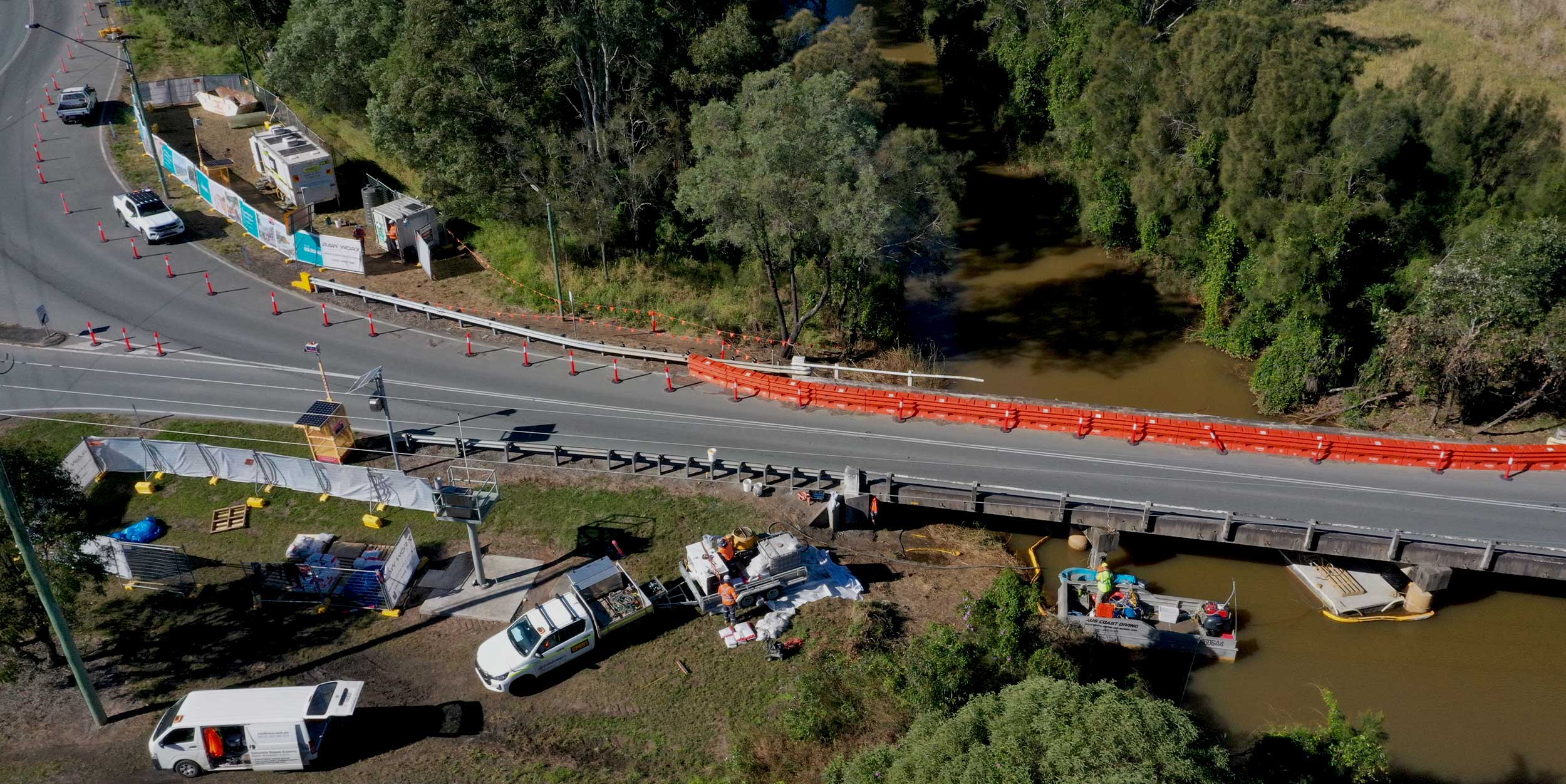
The replacement barrier works at Pimpama Jacobs Well Road Bridge show how resilience can also be built into post-incident repairs. After a heavy vehicle collision destroyed the westbound barrier, SMEC’s bridge experts determined that the bridge could not simply be upgraded to a contemporary Regular Performance barrier without risking brittle failure in the existing kerb and anchorage elements. Instead, the team adopted a Low Performance barrier that provided the highest practicable containment level compatible with the 1960s structure. A sacrificial fuse connection was detailed so that any future impact would damage replaceable steel barrier components before primary bridge elements, reducing repair cost, disruption and long-term asset risk.
Together, these examples show that resilience is measured not only by whether a bridge can withstand a disruptive event, but by how effectively it helps the wider transport system keep functioning before, during and after disruption.
The bridge engineer of the future will still require deep expertise in structural mechanics, materials and construction. However, technical excellence alone will no longer define success.
The profession is increasingly being called upon to understand asset management, sustainability, resilience, digital delivery, operational performance and investment value. Engineers must be capable of making decisions that balance immediate project requirements with outcomes that may unfold over 50, 75 or even 100 years.
That evolution is already visible across projects throughout Australia and internationally.
By sharing knowledge through industry forums and delivering complex projects across Australia and globally, SMEC’s bridge engineers are helping advance this evolution. Our work shows that the most valuable bridges are strong, compliant and buildable. They are assets that improve how networks operate, how communities connect, how resources are used and how infrastructure systems perform under pressure.
Join our bridge experts at the 13th Australian Small Bridges Conference and Exhibition to learn more.